Introduction
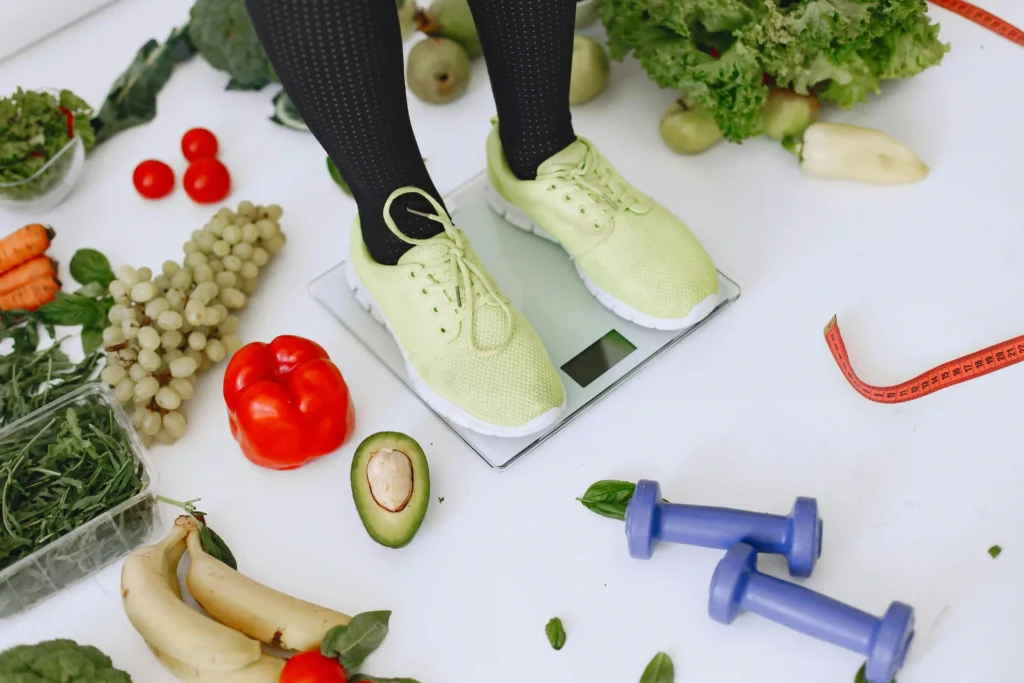
Picture the version of yourself ten years from now. Are they energetic, mobile, and mentally sharp? Or are they exhausted, struggling with their weight, and managing conditions they wish they’d caught earlier? That future self is not fate. They are the compound result of the choices you are making today.
It’s not a motivational poster. It’s a well-established fact of nature. 80% of premature heart disease, stroke, and type 2 diabetes are preventable with healthy eating and exercise, according to the World Health Organisation. Not genetics, not luck — habits.
I recall a friend of mine who consumed convenience food for a large portion of his 30s and brazenly assured himself that his health would take care of ‘when things settled down’. At 44 he was diagnosed with high blood pressure and pre-diabetes. His doctor said that both were “most likely progressing silently for ten years. What had happened in those quiet years which had been so unimportant seemed to be a clinical fact.
The bright side of that tale — and there is bright side — is that he turned around both of these things in an 18-month period by making permanent dietary and exercise changes. No medication. No surgery. Just a conscious decision that is made every day and followed over time.
This guide is for the most beneficial diet and exercise decisions you will be able to make right now. Not extreme restriction. Not punishing workouts. The principles shown by the evidence to be most important for long term health.
Table of Contents
Why Diet and Exercise Are the Two Most Powerful Health Tools You Already Own
In behavioral economics, it is a notion that small and consistent actions can result in big, unforeseen results down the road. It’s for money. It is applicable to knowledge. Well, it also holds true, and even more so, when it comes to health.
Most of the body you have at 60 years old was constructed between the ages of 30 and 50. Whether you’re eating or moving, all those things — how efficiently your cells work, how dense your bones, how healthy your cardiovascular system, how stable your blood sugar regulation — are shaped, incrementally, by what you eat and how much you move during those critical middle decades.
Eating healthy and exercising isn’t simply about doing both, it’s about doing both at the same time. Frequent exercise boosts the body’s ability to process insulin, so there is a greater return from the food that is consumed. Proper nutrition enhances the quality and recovery from exercise and you are able to train at a higher level and more consistently. They feed off each other.
The mental health aspect will be ignored. As with population studies of antidepressant medication, the evidence of exercise’s benefits for depression, anxiety and cognitive decline is now as compelling as possible. The literature surrounding the connection between diets and mood and brain health is rapidly expanding. It’s important for all individuals who are making lifestyle choices to fully understand the impact exercise has on your mental health.
It’s not necessary to be an athlete or a nutritionist. You have to better your decisions over and over — and know what’s truly important.
Diet Choices That Build Long-Term Health: 6 Principles That Actually Hold Up
These are not quick get skinny diets. They are tenets that have stood the test of nutrition research over the past few decades and are universal across almost any nutrition approach in the world.
FOUNDATION
1. Eat More Whole Foods — Less of Everything Else
Of all the dietary advice there is, there’s no more compelling evidence than this one: Food’s closest to its natural state, the healthier it will be for you in the long run. The concept is not new, but the science behind it is continually advancing.
In many large population studies, ultra-processed foods have been consistently associated with increased obesity, cardiovascular disease, type 2 diabetes and even depression. The explanation of how ultra-processed foods are detrimental to health goals is not just about the calories, but rather the negative effects of the additives and engineered taste. [INTERNAL LINK 2]
There is no need to define whole foods; they just look like whole foods. Some apples, a piece of chicken, some oats, a bowl of lentils. The objective of the practice is not perfection – it is a change in proportion. It will take weeks to see results if 70-80% of what you eat is its natural state.
Start today: Replace one ultra-processed snack with a whole-food alternative. Nuts instead of crisps. An apple instead of a cereal bar. One swap, done consistently, matters.
PROTEIN
2. Prioritise Protein at Every Meal
The macronutrient that does the most work for long-term health is protein. It creates satiety, which decreases the number of calories consumed. Stays lean as you get older, the number 1 factor for metabolic health over age 40. It promotes immunity, hormone functioning and tissue repair.
The bulk of protein is consumed at dinner time and not much at breakfast or lunch. This is because protein is more efficiently used for protein synthesis when it’s spread out through meals instead of concentrated in one. Eggs, Greek yogurt or cottage cheese with complex carbs in the morning keep blood sugar levels balanced and a sense of fullness for several hours.
The foods that strengthen the muscles are the same foods that help to stop them from becoming weaker — which is much easier than trying to cure the situation. A high protein diet that includes lean proteins, plant proteins and whole food proteins is a diet for a lifetime. [INTERNAL LINK 3]
Start today: Add one protein source to your breakfast this week. Two eggs, a scoop of Greek yogurt, or a handful of nuts alongside whatever you already eat.
PLANTS
3. Make Vegetables Non-Negotiable
The study of vegetable consumption and longevity is one of the most consistent in the entire nutritional science. An increase in vegetable intake has been linked to a decreased risk for heart disease, some cancers, type 2 diabetes, cognitive loss, and mortality. Vegetables nourish the gut microbiome, provide antioxidants, fibre and micronutrients, all of which work together in the mechanism.
The gut microbiome is especially a revolutionizing field of study. A variety of foods with a high fibre content promotes a variety of gut bacteria, which helps affect mood, immunity, weight control and chronic inflammation. The most basic thing you can do to help it: Try to consume as many different kinds of vegetables as you can – and as often as you can.
The actual target is simple – 2 meals of vegetables and at least 2 servings per meal. Not a thing that is added to the plate, but an important part of the meal. Frozen vegetables are nutritionally a match for fresh and much easier to prepare for a weeknight meal.
Get started today: Add a handful of spinach to tonight’s dinner. Add to pasta or in addition to eggs or as a base. It only takes 30 seconds and adds to your daily micronutrient requirement.
SUGAR
4. Reduce Added Sugar Without Going to War With It
One of the best studied culprits of metabolic dysfunction is added sugar, and one of the most charged topics in nutrition. The aim is not eradication. It is cutting down the amount of added sugar, and how often it is put in, which helps to keep blood glucose and insulin levels stable, keep energy levels even, and slowly lower the desire for sugar.
It’s important to note that added sugar and naturally occurring sugar are different. A whole apple contains sugar, fibre, water and micronutrients which help to slow the rates of sugar uptake. The sugar in a fizzy drink comes on its own, is absorbed quickly and causes the ‘sugar rush’ and ‘sugar crash’ effect which leads to fatigue, hunger and eventually even insulin resistance.
Real reductions is what practical reductions will bring. Replacing sugary beverages with water or carbonated water (with lemon or lime in it). Opting for plain Greek yoghurt over flavoured. Learning how to read labels on sauces and condiments – the top sources of added sugar in a healthy diet.
Start today: Swap one sugary drink for water with fresh lemon or lime today. Do it again tomorrow. Within two weeks, the craving for sweetened drinks typically reduces significantly.
HYDRATION
5. Hydrate Consistently — Not Just When Thirsty
One of the last signs of thirst is dry mouth. When you feel it, you’ve typically been mildly dehydrated for some time, and mild dehydration is a measurable decrease in concentration, mood, physical performance, and energy. One of the most frequent and least recognized causes of late-afternoon lulliness.
Water is used in all metabolic activities in the body. It helps to break down food, maintain body temperature, support proper functioning of kidneys, and supports the right conditions in the cells where all physiological processes take place. One simple, high impact morning habit is to drink 400-500ml of water prior to your morning coffee.
The aim of the practice is to achieve a uniform hydration throughout the day, rather than a big quantity at once. Most adults will be covered by a glass at each meal and again mid-morning and mid-afternoon. Requirements are higher during physical activity, heat and when consuming caffeine.
Start today: Put a full glass of water on your bedside table tonight. Wash it with water first thing in the morning tomorrow. This single habit has a cumulative impact with meaning over time.
PATTERN
6. Build a Sustainable Eating Pattern, Not a Diet
Diets don’t work because they’re set up for failure — they’re only temporary diets. They induce people to consume in patterns that they can’t sustain for the long term and when the diet is over, the pattern returns. With often increased vengeance, since restriction leads to compensatory over eating.
When it comes to any diet plan, the one question that should be asked is, ‘Can I eat like this in three years? If the answer is “no” it is a diet, not a lifestyle. A sustainable eating pattern is a healthy, flexible and enjoyable eating pattern that will not require constant will power to adhere to and will be socially acceptable and will fit into a person’s travel and social life.
This is where the 80/20 Rule comes into play. Eating well 80% of the time (20% freedom for fun and real life) gives a better outcome in the long term than being 100% strict and 100% failing to maintain that level of strictness regularly. Human psychology always respects small, but effective, life changes that bring in long-term improvements.
“You are not building a perfect diet. You are building a pattern that will still be serving you in ten years.”
Exercise Choices That Pay Dividends for Decades: 5 Movement Principles
Don’t feel bad about what you ate because you have to exercise. It is a 30-year investment in a body. This shift in your perspective is all that.
CONSISTENCY
1. Show Up Regularly — Intensity Comes Later
Frequency, not intensity is the key exercise variable for long-term health. Three moderate sessions a week, which is continued year after year, will make a huge difference in health benefits than one intense session a week followed by weeks of nothing at all.
This is because these physiological changes that exercise provides benefits — cardiovascular efficiency, insulin sensitivity, hormonal regulation, bone density — only occur when the stimulus is repeated over time, not once-in-a-while. Signs and symptoms are not ‘wild card’ but consistent.
The lesson: begin with sessions that are nearly too easy. Don’t look for a win, look for attendance. Habit formation can be built on a steady base and then layered with intensity, starting to increase after 4-6 weeks of consistent practice.
Start today: Schedule three movement sessions in your calendar for next week. Set reminders. Treat them as non-negotiable appointments with your future self.
STRENGTH
2. Lift Something Heavy — Especially After 35
The progressive muscle loss that occurs with ageing (sarcopenia) starts at a relatively young age, in the mid-30s, and greatly increases after 50 unless that loss is offset by resistance training. As people get older, 80, those who have not been training for strength may have lost 30–40% of their muscle mass. Fall-related consequences are devastating – falls, fractures, metabolic slowdown, decrease in mobility, and loss of independence.
There is no need for a gym to do strength training. Resistance bands, body weight and simple free weights are all a good source of stimulus for the muscles so that they maintain and grow. The minimum dose for muscle preservation is 2 sessions per week using the 5 major movement patterns: push, pull, hinge, squat and carry.
The anti-ageing factor of resistance training does not just apply to muscles. It strengthens bones, decreases the risk of falling, promotes hormone balance and — with the science of movement and longevity becoming more clear with each passing day — directly slows cellular ageing.
Start today: Do 10 bodyweight squats, 10 press-ups (on knees if needed), and a 30-second plank. Repeat three times. That is a complete strength session. Do it twice this week.
CARDIO
3. Walk More Than You Think You Need To
Over the past decade or two, the science regarding the daily walk is becoming very clear. Contrary to popular belief, it wasn’t 10,000 steps a day that proved to be linked to reduced all-cause mortality, but rather 7,000–8,000 steps, as revealed in a 2021 study published in JAMA Network Open. A certain level, after that, there’s not much more reward.
Walking helps keep people physically fit, keeps them mentally fit and is available to almost anyone, regardless of age or fitness. It does not lead to cortisol surges as intense exercise does, it doesn’t require any rest days, and all of the health benefits it provides accumulate over the course of a lifetime into thousands of miles of health investment.
The aim of the practical is to make walking automatic. Park further away. Take the stairs. Use your walking time to make telephone calls. Make a lunch-time stroll. The minutes add up for valuable cardiovascular protection without having to do a single dedicated workout.
Start today: Walk for 10 minutes after dinner tonight. Research consistently shows post-meal walking blunts blood sugar spikes and improves cardiovascular health — even in short sessions.
FLEXIBILITY
4. Stretch and Mobilise — Future You Will Thank Present You
The two most underrated aspects of fitness for the longer term – and the ones that most people feel the lack at 55 and 65 – are flexibility and mobility. Tight hips and stiff thoracic spines and mobile ankles aren’t inevitable of age. They are a product of years of sitting with no remedy for mobility.
Mobility work is brief (10 minutes daily), a dynamic morning exercise consisting of hip openers, thoracic rotations, gentle yoga-related movements and helps to protect the joints, enhance posture, minimize injury risks and make all other physical activity more manageable. Proper fueling, both in the form of nutrition and mobility prep is the difference between people who continue to train in their 60s and those who stop in their 40s because they are injured. [INTERNAL LINK 6]
Start today: Search “10-minute morning mobility routine” on YouTube. Do it tomorrow morning. Then do it again in two days. Most people who try this for one week find they miss it when they skip it.
RECOVERY
5. Rest Is Part of the Programme — Not a Failure of It
Exercise: the stimulus. The adaptation occurs in the process of recovery. This isn’t a metaphor, it’s physiology. Muscles heal and get stronger when they are at rest. The cardiovascular adaptations to training are consolidated during sleep. Healthy hormonal recovery after exercise hinges on proper rest periods between workouts.
The same problem happens to many people just starting to exercise enthusiastically — they overdo it, build it up too fast, don’t allow enough recovery, and injure themselves or burn out within a matter of weeks. The sustainable method is to plan them in, rather than letting them stand for something bad when you are trying to train.
Sleep is the best recovery mechanism. Most adults need 7 to 9 hours of sleep — it’s not a luxury, but a performance necessity. However, an additional hour of sleep regularly has a superior effect on energy, recovery, cognitive performance, and body composition, compared to most supplements. The programme is not only what can be done in the session but what can be done outside of the sessions.
Start today: Plan your rest days before you plan your training days this week. Recovery is not what you do when you’re tired. It’s what you schedule deliberately so you never have to be.
When Diet and Exercise Work Together: The Combination Effect Most People Miss
Generally people see exercise and diet as two distinct problems. The evidence indicates they are more correctly viewed as one integrated system – and only together can they achieve the outcomes that neither can achieve alone.
Exercise makes cells more sensitive to insulin — the cell’s ability to take in glucose from the blood. This translates to the fact that those carbs you consume after training will be better utilized for muscle energy and less for fat storage or blood sugar balance after training.
Good nutrition, on the other hand, has a direct impact on the quality of exercise. Iron transports oxygen to exercising muscles. Magnesium is needed for the contraction and relaxation of muscles. The B vitamins are key co-factors for energy metabolism. Individuals on an imbalanced diet perform and recover at a fraction of their capabilities.
There’s also that psychological loop. Exercise reduces cortisol, enhances quality sleep, and releases endorphins which make it easier to eat well. Improved nutrition contributes to better energy and mood stability and boosts the motivation to get active. The two habits complement each other in a virtuous cycle and are easier to keep going than they are kept separately.
What Happens When You Combine Diet + Exercise (vs. Either Alone)
| Health Outcome | Diet Alone | Exercise Alone | Diet + Exercise Combined |
| Energy levels | Moderate improvement | Moderate improvement | Dramatic, sustained boost |
| Weight management | Helpful but incomplete | Helpful but incomplete | Synergistic — far greater effect |
| Mental health | Some improvement | Significant improvement | Maximum benefit — both required |
| Chronic disease risk | Reduced | Reduced | Maximally reduced |
| Longevity | Extended moderately | Extended moderately | Strongest evidence for longest life |
| Muscle preservation | Minimal effect | Strong effect | Diet supports training outcomes |
Your 4-Week Starter Plan: Small Choices, Big Compounding Results
To attempt to change everything at once, is to have the most reliable chance of changing nothing. This is a four-week program of 1 change per week so that habits can be cemented before more change occurs.
| Focus | Diet Action | Exercise Action | |
| Week 1 | Foundation | 2 whole-food meal swaps. Cut one ultra-processed snack. | 3 × 20-min walks. Get your baseline moving. |
| Week 2 | Add Structure | Consistent meal times. Add protein at every meal. | Add 1 strength session. Hit 8,000 steps daily. |
| Week 3 | Build Momentum | Vegetables at 2 meals minimum. Cut added sugar in drinks. | 2 strength sessions. Add 10-min morning mobility. |
| Week 4 | Embed the Habit | Review what felt natural. Keep those 2–3 habits. Add nothing new. | Review your movement wins. Commit to 3 per week ongoing. |
At the end of week 4, your body will not have changed. But you will have made better decisions over the course of 28 days and they will be stacking up unnoticed in the background. After 6 months of such an approach the transformation can be seen. It can be deep after one year.
5 Diet and Exercise Mistakes That Undo Good Intentions
1. All-or-nothing thinking. “Oh dam, I missed Monday, and it’s ruined the whole week.” This one pattern has more to do with the breakdown of people’s health goals than any diet. The solution: 80% consistency over a year is more productive than 100% for two weeks then 0% for a year. If a single session or meal is missed, it doesn’t matter over the long haul.
2. Work to get food. Rewarding exercise with food establishes a transactional relationship with food that is never going to be pleasant or enjoyable. The solution: Food is fuel and exercise is investment. They are not morally connected with one another.
3. Not creating a diet routine, but sticking with a diet. All diets have end dates. Lifestyles do not. Solution: “Would you be able to live like this in three years?” If the answer is no, then it’s a diet and a diet is by definition a short-term solution.
4. Skipping strength training. The majority of people who work out just walk, jog or ride bikes. Once you are 35, the best investment you can make for your long-term metabolic health is in preserving your muscles. The two strength sessions a week are enough to make a difference in slowing down the loss of strength.
5. Underestimating the importance of sleep and recovery. Overtraining, undereating and under sleeping is a hormonal environment that actively fights the health you are trying to achieve. The key: recovery is not about being lazy. It is programming. Plan it just as you would your training.
Frequently Asked Questions
Q: How does diet and exercise affect long-term health?
Good nutrition and physical activity throughout life lower the risk of heart disease, type 2 diabetes, some cancers, cognitive problems and early death. It is estimated that 80% of the premature cases of heart disease and diabetes are preventable by these two lifestyle factors alone. The power of the effects is cumulative over many years, so the earlier the behavior, the greater the value.
Q: What is the best diet and exercise plan for a healthier life?
While there is no right or wrong diet plan, the evidence clearly shows that a diet that contains abundant amounts of whole foods, fruit, vegetables, lean protein, and healthy fats, along with regular exercise involving both cardio and strength training, is the most conducive. The best plan is one that is going to last years, not weeks.
Q: How long does it take to see results from diet and exercise changes?
People typically begin to experience energy and mood improvements in 1-2 weeks. It takes 4-8 weeks for blood sugar and blood pressure changes to be measurable. It takes 3-6 months of consistency to make meaningful changes in body composition, cardiovascular fitness and strength. Overall disease risk reduction takes many years.
Q: Can diet and exercise reverse chronic disease?
In clinical trials, lifestyle modifications such as diet and exercise have been shown to be highly effective and have proven to be reversible for many common conditions, such as type 2 diabetes, high blood pressure, early cardiovascular disease and fatty liver disease. Always done under Medical Supervision, not instead of medical care.
Q: Is diet or exercise more important for health?
They both are of great importance and they complement each other. The general rule of the research is that diet has a slightly greater effect on body composition, whilst exercise has a slightly greater effect on cardiovascular fitness and mental health. These effects are multiplicative; you can’t choose between them since they are interdependent.
The Best Time to Start Was Yesterday. The Second Best Is Today.
The more healthy, more vibrant version of yourself 10 years in the future is not a pipe dream. They are the cumulative effect of your choices this week, and they will be cumulative until they are perfect and dramatic.
Don’t have to apply all six diet principles and all 5 exercise principles at once. Start with one. The 4 week plan above is specifically designed for this, 1 small change per week that is actually going to stick.
What is the first change you will make to this guide? Share your commitment with us in the comments, your commitment may be the one another person needs to read to get their own started! And when you hear someone say they’ll ‘get their health sorted out when it’s all calmed down’ send it along to them today.
MEDICAL DISCLAIMER
The information in this article is for educational and informational purposes only and is not intended as medical advice. Always consult a qualified healthcare professional before making significant changes to your diet or exercise routine, particularly if you have existing health conditions, are pregnant, or are recovering from illness or injury. Individual health needs vary significantly. Pure Vitality Tips is not responsible for any actions taken based on the information provided in this article.
12 thoughts on “The Choices You Make Today Are Building (or Breaking) Your Health Tomorrow”