The Supplement I Almost Dismissed as Another Wellness Trend
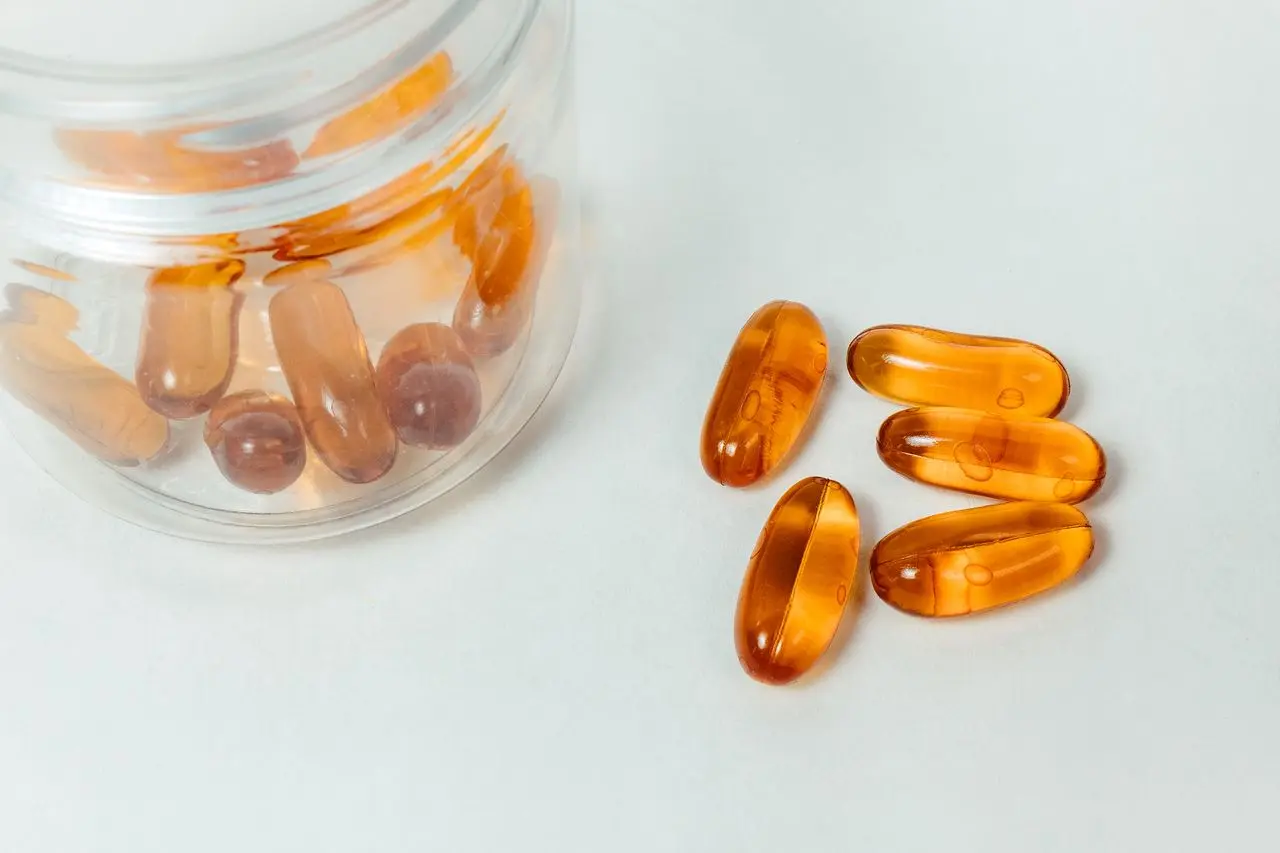
TL;DR A major Harvard-led clinical trial found that daily vitamin D3 supplementation over four years measurably slowed telomere shortening, an effect researchers equated to roughly three fewer years of biological aging. It’s genuinely promising evidence, but it’s one trial, in a specific population, and nowhere close to a fountain-of-youth pill.
A while back a routine blood test declared that my vitamin D was low, a result that is briefly mentioned and then forgotten during a busy appointment. My doctor suggested the supplement, I shook my head, and to be honest, I didn’t think much of it until I saw headlines calling vitamin D “anti-aging,” and it sounded like every other supplement claim I write.
My reaction was to roll my eyes. I’ve spent so much time refuting claims about miracle supplements on this website that I automatically start to doubt anything that presents itself as a fountain of youth. But this time, when I really searched for the source behind the headlines, I found something different: a large, well-designed, peer-reviewed clinical trial, not a marketing study funded by a supplement company.
This is the difference that made me want to write it correctly instead of dismissing or exaggerating it. Vitamin D anti-aging deserve neither blind enthusiasm nor automatic skepticism. They have the right to see what the research behind them has and hasn’t found.
I think this instinct, to look at every health headline with the same reaction, is actually a reasonable value in a media environment full of exaggerated claims about wellness. But it can also mean that really solid research is noisily discarded if you don’t query the original source. It seemed exactly the kind of story that deserved this extra step.
Vitamin D anti-aging research has gone from speculative and inconsistent to truly impressive in the last year, largely thanks to a specific and carefully crafted trial that needs to be understood in detail.
Table of Contents
What “Anti-Ageing” Actually Means Here
Before getting into the study itself, it’s worth understanding what researchers actually mean when they talk about ageing at a cellular level, because it’s not about wrinkles or grey hair.
Telomeres are protective caps at the ends of your chromosomes, often compared to the plastic tips on shoelaces that stop the ends from fraying. Every time a cell divides, telomeres shorten slightly. Over enough divisions, telomeres become too short to protect the chromosome properly, and the cell either stops dividing entirely, a state called senescence, or dies off.
Quick fact
Telomere shortening is considered one of the hallmark biological mechanisms of ageing, and shorter telomeres have been linked to a higher risk of age-related conditions including cardiovascular disease, type 2 diabetes, and certain cancers. Measuring telomere length in white blood cells has become one of the more widely used markers researchers rely on to estimate biological, rather than chronological, age.
Researchers use telomere length as a biological aging marker precisely because it reflects cumulative cellular wear in a way a birth certificate simply can’t. Two people the same chronological age can have meaningfully different telomere lengths, and by extension, different biological ages, depending on genetics, lifestyle, and health history.
I find this framing genuinely useful for thinking about health more broadly. Chronological age tells you how long you’ve been alive. Telomere length, alongside other biological markers, gives a rough sense of how much cellular wear that time has actually left behind, which can vary considerably even between people born in the same year.
The Study Behind the Headline: The VITAL Trial
The research generating all the recent vitamin D anti-aging headlines comes from a sub-study of VITAL, the VITamin D and OmegA-3 Trial, led by researchers at Mass General Brigham and Harvard Medical School, published in The American Journal of Clinical Nutrition.
VITAL was a large, randomized, double-blind, placebo-controlled trial, widely considered the gold standard of clinical research design. Participants received either 2,000 IU of vitamin D3 daily, omega-3 fatty acid supplements, both, or a placebo, and were followed for several years. The telomere-focused sub-study specifically measured leukocyte telomere length, meaning telomere length in white blood cells, at the start of the trial and again after four years.
The actual results
Compared with placebo, participants taking daily vitamin D3 showed significantly less telomere shortening over four years. Researchers calculated this effect as roughly equivalent to preventing nearly three years’ worth of cellular aging, a genuinely striking finding for a single, widely available supplement.
Notably, the omega-3 fatty acid arm of the same trial did not show a statistically significant effect on telomere length, which is an important detail often left out of more sensationalised coverage. This wasn’t a study finding that supplements generally help with ageing. It was specifically vitamin D3 that showed the effect, which matters for anyone trying to draw practical conclusions from this research.
I think that specific detail, that one supplement showed an effect and a similarly popular one didn’t, is actually one of the more reassuring aspects of this whole study, from a scientific integrity standpoint. If a trial is designed rigorously enough to find a real difference between two commonly recommended supplements rather than a blanket positive result for both, that’s a sign the methodology is doing its job properly, rather than producing whatever result researchers might have hoped for going in.
Why Vitamin D Might Affect Telomeres
Researchers believe vitamin D’s anti-inflammatory properties play a central role in this effect. Chronic low-grade inflammation is itself linked to accelerated telomere shortening, and vitamin D is known to help regulate immune function and reduce certain inflammatory markers throughout the body.
Vitamin D also appears to influence cellular proliferation and differentiation more broadly, processes tied to how quickly cells age and divide. Some researchers have also pointed to vitamin D’s relationship with oxidative stress, another mechanism implicated in telomere shortening, as a plausible additional pathway.
This effect appears particularly relevant for people who start with lower vitamin D levels to begin with. Some analyses have found stronger associations between vitamin D and telomere length specifically among individuals with vitamin D deficiency, suggesting the benefit may be most meaningful for correcting an existing shortfall rather than a universal effect regardless of starting point.
This pattern, where a nutrient’s benefit is strongest for people who were actually deficient in it, comes up repeatedly across nutrition research generally, and it’s a useful principle to hold onto beyond just this specific case. Supplementing to correct a genuine shortfall tends to show far more reliable benefits than supplementing on top of levels that were already adequate to begin with.
What This Study Doesn’t Show
It’s worth being just as clear about the limits here as the promise, because that balance is exactly what separates honest reporting from supplement marketing.
The VITAL telomere sub-study included women aged 55 and older and men aged 50 and older, a specific demographic rather than the general population. Whether the same effect holds for younger adults, or for people with already-sufficient vitamin D levels, isn’t something this particular trial can answer directly.
This is also one study, albeit a well-designed one, and single studies, however rigorous, benefit from replication before conclusions become settled science. The dose used, 2,000 IU daily, is meaningfully higher than the standard recommended intake of 600 to 800 IU for most adults, which matters for anyone trying to translate these findings into a personal supplement routine.
And to be direct about it: this is not a fountain of youth. A roughly three-year reduction in telomere attrition over four years is a genuinely meaningful research finding, not a dramatic reversal of ageing. Managing expectations here matters, because overselling modest, real findings is exactly what erodes public trust in legitimate nutrition science.
I’d also add that telomere length itself, while a useful marker, isn’t a perfect stand-in for how someone actually feels or functions day to day. It’s a genuinely important piece of the biological aging puzzle, but it’s one piece among several, alongside things like inflammation markers, metabolic health, and muscle mass, none of which this particular trial measured directly.
How Much Vitamin D Is Actually Needed
The dose used in the VITAL trial, 2,000 IU daily, sits above the standard general recommendation but well within ranges considered safe for most healthy adults. Vitamin D toxicity is rare and generally only occurs at much higher doses sustained over long periods, but it’s still worth having your levels checked before assuming more is automatically better.
If you’re vitamin D deficient, which is common, particularly in northern climates with limited sun exposure through much of the year, supplementation is likely to offer more noticeable benefit than if your levels are already adequate. A simple blood test can tell you where you currently stand, which is a far more useful starting point than guessing based on a headline.
It’s also worth remembering that sunlight exposure, diet, skin tone, and age all affect how much vitamin D your body produces and absorbs naturally, which is part of why deficiency is so common even in places that get plenty of sunshine for parts of the year. None of this makes supplementation universally necessary, but it does explain why blanket assumptions about who needs it tend to be unreliable.
What I’ve Actually Done Knowing This
I’ve kept taking my vitamin D supplement, which I’d honestly been inconsistent about before researching this properly. Knowing there’s a well-designed trial behind the recommendation, rather than just a throwaway comment at a check-up, has genuinely made me more consistent about it.
I’ve also had my levels retested since starting, partly out of curiosity and partly because I think that’s the more useful data point than assuming a fixed dose is right for everyone indefinitely. I’d encourage anyone considering this to do the same rather than supplementing blindly based on a headline about vitamin D anti-aging effects.
It’s also reinforced something I already believed but now feel more confident stating plainly: the boring, unglamorous stuff, correcting an actual nutrient deficiency, tends to outperform trendier interventions when it comes to genuine, measurable health effects. If you’ve read our piece on stress and biological aging, this fits the same broader pattern. Chronic inflammation and stress hormones both appear to influence the same telomere-related aging pathways that vitamin D seems to help protect, which suggests these aren’t isolated, unrelated levers, but overlapping parts of the same underlying biological system.
For broader context on evidence-based nutrition choices generally, our Nutrition category has further reading worth exploring, and our Wellness category covers other longevity-related topics if this is an area you want to dig into further.
Frequently Asked Questions
Does vitamin D really have anti-aging effects?
A large randomized controlled trial found that vitamin D3 supplementation significantly slowed telomere shortening over four years, an effect linked to biological aging, though this is one study, not settled proof of a universal anti-aging effect.
How much vitamin D do you need for anti-aging benefits?
The trial showing this effect used 2,000 IU daily, higher than the standard 600 to 800 IU general recommendation, so it’s worth discussing an appropriate dose with your doctor based on your current levels.
What is the VITAL trial and what did it find?
VITAL is a large Harvard-led randomized controlled trial studying vitamin D3 and omega-3 supplementation. Its telomere sub-study found vitamin D3, but not omega-3, significantly reduced telomere shortening over four years.
Can vitamin D reverse aging?
No. The research shows it can slow a specific marker of cellular aging, telomere shortening, but this is a modest, measurable effect, not a reversal of aging or a cure-all.
Who benefits most from vitamin D supplementation?
People with existing vitamin D deficiency appear to see the most meaningful benefit, based on current research, making testing your levels a more useful starting point than blanket supplementation.
Final Thoughts: Promising Evidence, Not a Magic Pill
I participated in this research with the hope that another over-exaggerated claim about supplements would be proven wrong, and I found something more nuanced: a real, albeit minor, really strong proof of the effect that is wrapped up in headlines that exaggerate it a bit too much for clicks.
If you’re deficient in vitamin D or haven’t had your levels checked in a long time, it’s appropriate and low-risk to talk to your doctor. The Vitamin D anti-aging effects seem real, as are the best available evidence, but it’s a real, modest benefit that should be taken seriously, not a shortcut to avoiding unappealing concepts like sleep, movement, and stress management that still work for the most part.
Medical Disclaimer
This article is for general information only and is not a substitute for professional medical advice. Please consult a qualified healthcare provider before starting any new supplement, including vitamin D.

8 thoughts on “Vitamin D Anti-Aging: Can One Supplement Really Buy You Three Extra Years?”
Comments are closed.