Quick Summary
Most UK adults get roughly half the recommended 30 grams of fibre a day, and ready meals are often blamed for that without much evidence — some genuinely outperform home-cooked meals on fibre. A handful of high-fibre ready meals UK supermarkets stock, built around lentils, beans, and wholegrains, deliver 6 grams or more per pack, but most standard ready meals fall well short, so knowing which named products actually count matters.
Introduction
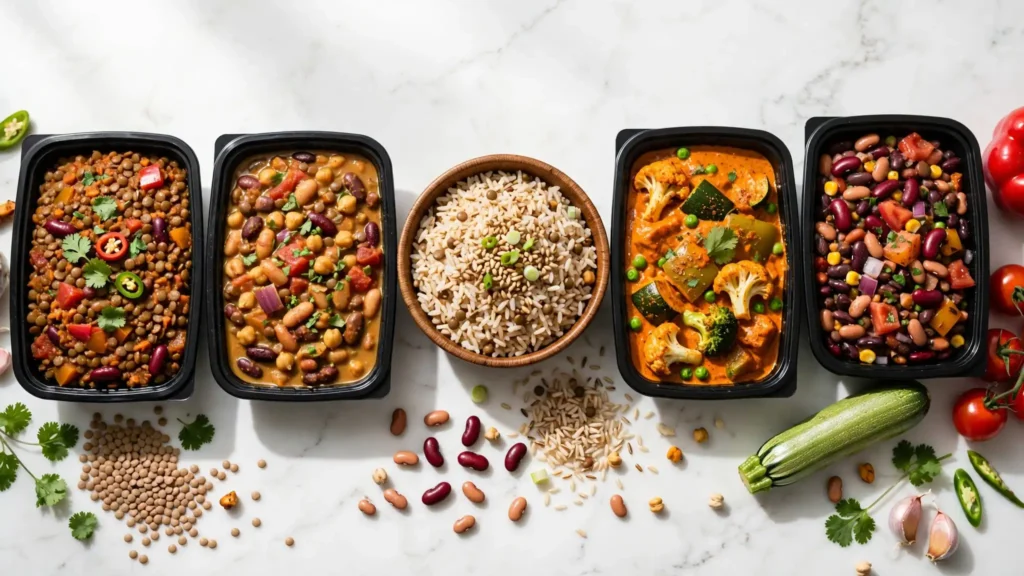
My colleague Zara mentioned last month that she was feeling sluggish and bloated most evenings, and blamed it on “eating more prepared meals.” This was bothering me, so I decided to check my numbers before I could assume he was correct. I sat down and calculated how much fiber I was getting in an average day, and the result was less than I expected. That’s why I was forced to compare high-fibre ready meals UK supermarkets, rather than automatically covering the vegetarian meal in the name. When I started really testing high-fibre ready meals UK buyers against their original label numbers, the difference between the best and worst options was greater than almost everything I had compared in this ready-to-eat series.
Table of Contents
Why Fibre Gets Overlooked in Ready Meals
The “High Fibre” and “Source of Fibre” Label Thresholds
UK labelling rules require a meal to contain at least 6 grams of fibre per 100 grams, or 3 grams per 100 kilocalories, to be legally labelled high fibre. A source of fibre only needs half that. These are legally defined thresholds, not marketing fluff, which makes them one of the more reliable claims to actually trust on a pack, unlike softer descriptors such as “wholesome” or “nourishing” that carry no legal definition at all.
Why Fibre Loses Out to Calories and Protein on the Pack
Most people shopping for a healthier ready meal check calories first and protein second, if they check anything at all. Fibre rarely gets a look, partly because it’s less directly tied to how a meal makes you feel in the next hour, and partly because it’s simply less prominently displayed than the other numbers on the front of most packs. It’s a genuinely undervalued figure given how directly it affects both digestion and how full a meal leaves you feeling.
The Surprising Research on Ready Meals vs Home-Cooked Recipes
An academic comparison of supermarket ready meals against recipes created by television chefs found the ready meals actually contained significantly more fibre per portion — 6.5 grams on average against 3.3 grams for the chef recipes. Neither category met recommended targets, but it’s a genuinely useful reminder not to assume home cooking automatically wins on every nutritional measure, particularly when a recipe leans heavily on meat and cream rather than vegetables and pulses.
Why I Started Checking This Properly
Zara’s comment sent me down a genuine rabbit hole. I started tracking my fibre intake almost as an afterthought, expecting it to confirm I was doing fine. It didn’t. Across a full week, I hit 30 grams on exactly one day — a day that happened to include a lentil-based ready meal alongside a couple of pieces of fruit. The rest of the week sat closer to 16 or 17 grams, which lined up almost exactly with the national average once I looked into it properly. What struck me most was how normal my diet felt on paper, reasonably varied, plenty of vegetables, and yet the fibre number told a completely different story.
Only around 4 percent of UK adults hit the government’s recommended 30 grams of fibre a day, with average intake sitting closer to 16 to 17 grams — roughly half the target.
Ready Meals and Ranges Actually Worth Buying
This is based on comparing labels across several supermarkets and brands, the same approach used for the other comparisons in this series, rather than a single visit to one shop.
Sainsbury’s — Full on Fibre Range
Sainsbury’s runs a dedicated Full on Fibre range, sitting alongside its wider high-protein and “Small but Mighty” launches aimed at nutrient-dense, portion-controlled eating. It’s one of the more consistent supermarket ranges specifically built around hitting the fibre threshold rather than reaching it by accident.
Tesco Hide — Malaysian Beef with Brown Rice
Tesco’s Hide range was developed with Dr Rupy Aujla of The Doctor’s Kitchen, formulated specifically to help customers hit 25 grams of protein and the NHS-recommended 30 grams of fibre a day across a full day of eating. The Malaysian Beef with Brown Rice is one of the stronger options in the range, built around a wholegrain base rather than white rice, and it’s priced at around £5 for 380g.
Waitrose — Merchant Gourmet Three Bean & Lentil Chilli
Stocked at Waitrose, this chilli is built from black, pinto, and kidney beans cooked with lentils, and it carries a genuine high in fibre label alongside a high-in-protein claim and a one-of-five-a-day count. It’s vegan, ready in two minutes, and one of the more straightforward high-fibre options if you want something that doesn’t need a side to feel complete.
Aldi Earth Grown — Lentil & Veggie Tikka Masala
Aldi’s Earth Grown Lentil & Veggie Tikka Masala delivers 9 grams of fibre per serving, around 32 percent of the daily target, made with pumpkin and sweet peppers alongside the lentils. It’s entirely vegan and one of the strongest fibre counts in this whole comparison, at a genuinely budget-friendly price.
Parsley Box — Everyday Fibre Range
Parsley Box runs a dedicated Everyday Fibre range, with each dish formulated to qualify as a source of fibre, built around familiar, comforting ingredients rather than anything that reads as a health-food compromise. Fibre was clearly part of the actual design brief here, not an incidental result of the recipe, which is a genuinely different starting point from most supermarket ranges.
| Brand / Range | Named Meal | Fibre / Pack | Approx. Price |
| Sainsbury’s | Full on Fibre range | Source of fibre | £3.00–£3.50 |
| Tesco (Hide) | Malaysian Beef with Brown Rice | Formulated toward 30g/day target | £5.00/380g |
| Waitrose | Merchant Gourmet Three Bean & Lentil Chilli | High in fibre | £2.50 |
| Aldi Earth Grown | Lentil & Veggie Tikka Masala | 9g (32% DV) | £2.29 |
| Parsley Box | Everyday Fibre range | Source of fibre (1.5g/100kcal) | £4.50 |
Why M&S Isn’t Featured With a Named Meal
M&S publishes genuinely useful fibre guidance through its in-house nutritionist and has a strong general focus on beans, pulses, and wholegrain swaps. At the time of writing, though, I couldn’t confirm one specific ready meal in its range carrying a clear high-fibre claim on the pack, so rather than guess, I’ve left it out of the named picks and would recommend checking individual labels in-store.
The Ingredients That Actually Move the Number
Once I understood which ingredients actually drive fibre content, scanning a ready meal’s description became a much faster process than reading the full nutrition panel every time.
Lentils, Beans, and Pulses
Pulses are consistently the single biggest lever in any ready meal’s fibre count, with a single portion capable of providing close to a third of a full day’s fibre target on its own. A meal built around lentils or chickpeas will almost always beat an equivalent meal built around meat and vegetables alone. If you want to build more plant-based staples like this into your week generally, I’ve covered practical ways to do that in 22 easy ways to eat more protein, since pulses do double duty on both protein and fibre.
Wholegrains vs Refined Grains
Swapping white rice or standard pasta for a wholegrain version retains the bran and germ layers that get stripped out during refining, which is where most of the fibre actually sits. This single swap alone can meaningfully shift a meal’s fibre count without changing much else about the recipe, flavour, or cooking method.
Vegetables With the Skin On
A meal that keeps the skin on potatoes, carrots, or other vegetables retains noticeably more fibre than one that’s been peeled, and it’s a detail that’s easy to spot once you know to look for it in the description on the pack, even if it’s rarely the headline feature of the marketing.
What I’ve Noticed in Other People
A colleague of mine switched from a rice-based ready meal rotation to a lentil-based one mostly for variety, and mentioned afterward that she felt fuller for longer without eating any more than usual. She hadn’t specifically been chasing fibre, but the effect lined up exactly with what you’d expect from the extra bulk and slower digestion pulses provide. A friend of mine keeps a stash of pre-cooked lentil pouches specifically to stir into a ready meal that looks a bit thin on fibre, treating it as a two-minute upgrade rather than a separate cooking task. A neighbour who’s been managing digestive discomfort for years told me her dietitian specifically recommended increasing fibre through meals rather than supplements where possible, and she now checks the fibre figure on a ready meal pack the same way she used to check the calorie count.
How to Boost the Fibre in Any Ready Meal
Adding a Pouch of Pre-Cooked Lentils or Beans
A ready-to-eat pouch of lentils or beans, stirred through a ready meal that’s light on fibre, is one of the fastest ways to close the gap, adding several grams for almost no extra effort. It also adds protein and bulk, making a smaller pack feel more like a complete meal.
Swapping a Side of White Rice or Bread for Wholegrain
If a ready meal comes with, or is typically paired with, a side of rice or bread, choosing the wholegrain version instead is a simple, consistent way to add fibre without changing the meal itself.
Building a Weekly Habit Rather Than a One-Off Fix
Ready meals work best as part of a wider rotation rather than the whole plan. On weekends when I have time, I batch-cook a few fibre-forward base meals instead, which gives me more control over the numbers. If you want a starting point, 60 healthy meal prep ideas covers several lentil and bean-based options that work well alongside the ready meals above.
A Word of Caution: Increasing Fibre Too Quickly
Increasing fibre quickly, rather than gradually, can cause bloating, cramping, or discomfort, particularly for anyone with a sensitive gut or a condition like IBS. Building up gradually, alongside plenty of water, tends to avoid most of the discomfort.
This pattern shows up with high-fibre foods generally, not just ready meals, so it’s worth easing in rather than switching your whole week over at once. It’s also worth remembering that fibre content alone doesn’t make a meal nutritious overall — some packaged products lean on processed fillers even while hitting a fibre claim, which I’ve covered in more general terms in 23 ultra-processed foods to always avoid.
A Note on This Guide
This sits alongside my wider comparison of healthiest ready meals in UK supermarkets, as part of the same ongoing look at what’s actually worth buying in the ready meal aisle, this time with fibre as the specific focus. If you’re eating plant-based too, my separate comparison of high protein vegan ready meals UK covers several of the same lentil and bean-based meals from a protein angle instead.
My Honest Fibre-Focused Ready Meal Rotation Now
Since going through all of this, here’s what I actually keep in mind on a normal week:
1. I check the fibre figure per pack, not just calories and protein, before choosing between similar meals
2. I look for lentils, beans, chickpeas, or wholegrains named specifically in the description
3. I keep a couple of pre-cooked lentil or bean pouches in the cupboard to stir into lighter meals
4. I choose wholegrain rice or bread as a side wherever it’s an option
5. I increased my own fibre gradually over a couple of weeks rather than all at once, to avoid discomfort
Final Thoughts
Zara’s comment turned out to be half correct. Ready-to-eat foods aren’t automatically a problem—many standard ingredients are really low in fiber, but a few designated products, made specifically around lentils, beans, and whole grains, eliminate that gap entirely. High-fibre ready-to-eat foods in UK supermarkets aren’t rare, just easily overlooked if you’re just checking calories and protein. Since most of us are only getting half the fiber we should get, this is a number that should ultimately be addressed.
Frequently Asked Questions
What counts as a high-fibre ready meal in the UK?
A meal must contain at least 6 grams of fibre per 100 grams, or 3 grams per 100 kilocalories, to be legally labelled high fibre under UK rules.
Do ready meals have less fibre than home-cooked meals?
Not necessarily — one academic comparison found supermarket ready meals averaged 6.5 grams of fibre per portion, more than the 3.3 grams found in equivalent chef-created recipes.
Which UK supermarket has the best high-fibre ready meals?
Sainsbury’s Full on Fibre range and Tesco’s Hide range currently offer some of the clearest fibre-focused options, alongside Aldi’s Earth Grown Lentil & Veggie Tikka Masala.
How much fibre should I be eating per day?
The UK government recommends 30 grams of fibre a day for adults, though average intake currently sits closer to 16 to 17 grams.
Can eating too much fibre too quickly cause problems?
Yes — increasing fibre intake suddenly can cause bloating or discomfort, so it’s best to build up gradually alongside plenty of water.
This article is for general information only and isn’t a substitute for personalised medical or dietary advice from a qualified professional.

3 thoughts on “High-Fibre Ready Meals UK: What Actually Works”