Quick Summary
A cereal needs at least 6 grams of fibre per 100 grams to count as high fibre, and under 5 grams of sugar per 100 grams to count as genuinely low sugar. A handful of high fibre cereals with low sugar UK shoppers can buy, like Mornflake Oatbran and Weetabix Protein, hit both marks comfortably, but plenty of “bran” and “wholegrain” cereals only hit one, despite sounding equally healthy on the box.
Introduction
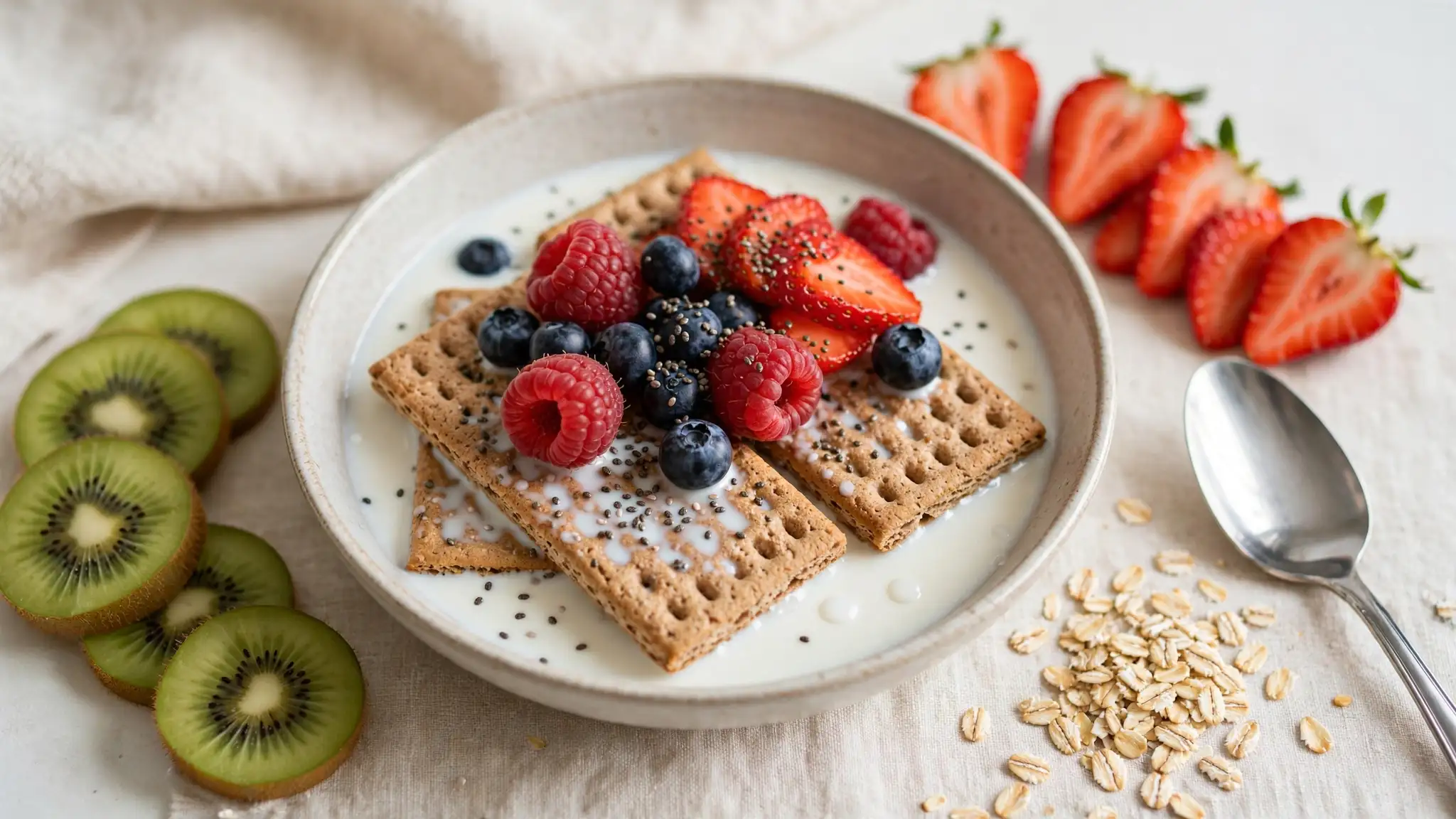
My colleague Imran recently mentioned that he has been eating the same bran cereal every morning for many years, entirely based on the word “bran printed on the can”. When I asked if he had ever checked sugar levels, he admitted that he didn’t—he just assumed Bran meant healthy. This conversation took me straight to the serials section and compared the two bran serials side by side, and the distance between them was more than we both expected. That’s why I compared high fibre cereals with low sugar UK supermarkets that actually stock stock, rather than relying on a word on the packaging. When I started testing really high fibre cereals with low sugar UK against their original label numbers, the difference between two almost identical boxes became noticeable.
Table of Contents
Why Bran and Wholegrain on the Box Don’t Guarantee Much
Both of these words describe an ingredient, not a nutritional outcome, and the difference between the two matters more than it sounds. A cereal can genuinely contain bran or wholegrain and still be formulated in a way that undermines the benefit you’d expect from that ingredient alone, simply because fibre and sugar are decided by completely separate parts of the recipe.
The High Fibre and Low Sugar Thresholds That Actually Matter
Under UK labelling conventions, a cereal is generally considered high fibre once it hits 6 grams of fibre per 100 grams, and low sugar once it sits under 5 grams of sugar per 100 grams. These aren’t vague marketing terms — they’re specific, checkable numbers, and they’re the two figures worth going straight to on any box rather than reading the front-of-pack claims first. Once you know these two numbers, comparing cereals takes seconds rather than genuine research.
Why Two Bran Cereals Can Differ Hugely on Sugar
Bran itself is naturally high in fibre, but that says nothing about what else has been added to the recipe. Two cereals can both legitimately claim to be bran-based and high fibre, while one carries three or four times as much sugar as the other, depending entirely on how it’s been sweetened and coated. The bran content is genuine in both cases — it’s simply not the whole story.
Cereals Marketed as Healthy Can Be Some of the Worst Offenders
This isn’t just a cereal-aisle quirk, it’s a wider pattern across packaged food generally. I’ve covered this in more depth in 23 ultra-processed foods to always avoid, but seeing it play out directly on two cereal boxes I was holding side by side made the point click in a way reading about it never quite had.
Why I Started Comparing Boxes Side by Side
Imran’s comment sent me down a genuine rabbit hole. I stood in the cereal aisle comparing a classic bran flake cereal against a crunchy bran cereal, both marketed heavily around fibre, both with “bran” prominently in the name. Out of curiosity more than anything else, I turned both boxes around. The fibre numbers were close, both comfortably over the high-fibre threshold. The sugar numbers weren’t — one sat around 14 grams per 100 grams, nearly three times higher than the other. Nothing on the front of either box gave any indication that gap existed.
That single comparison changed how I shop for cereal permanently. I now check both numbers every time, even for a brand I’ve bought before, since recipes and formulations do shift over time.
Cereals That Actually Hit Both Marks
This comparison is based on checking labels directly across several shops rather than trusting a single source, since exact formulations can shift slightly over time.
Mornflake Oatbran
This is close to the strongest option on both fronts simultaneously, delivering roughly 19.4 grams of fibre per 100 grams while remaining very low in sugar, since it’s essentially just oat bran with minimal processing or added ingredients. It’s less of a conventional breakfast cereal and more of a fibre-dense base you build a bowl around, often mixed with porridge oats or yoghurt.
Weetabix Protein
Weetabix Protein delivers around 9.9 grams of fibre per 100 grams alongside roughly 4.7 grams of sugar, comfortably clearing both thresholds while also adding a meaningful protein boost, at around 19 grams per 100 grams, that most cereals in this comparison don’t offer. If you’re generally trying to get more protein into your day, I’ve covered practical ways to do that in 22 easy ways to eat more protein, and this cereal is a genuinely easy way to start the day on that front.
Oatibix
Oatibix sits around 7.3 grams of fibre and 3.2 grams of sugar per 100 grams, a genuinely solid everyday option. Plain shredded wheat cereals follow a similar pattern — high fibre from the wholegrain wheat with very little added sugar, since there’s not much added to them at all. These tend to be some of the most consistently reliable choices precisely because the ingredients list is so short.
| Cereal | Fibre/100g | Sugar/100g | Verdict |
| Mornflake Oatbran | 19.4g | ~1g | Excellent on both |
| Weetabix Protein | 9.9g | 4.7g | Strong on both, plus protein |
| Oatibix | 7.3g | 3.2g | Solid everyday choice |
| Weetabix Crunchy Bran | 22g | 14g | High fibre, check sugar |
| All-Bran Original | 27g | 18g | Highest fibre, high sugar |
| All-Bran Golden Crunch | 13g | 21g | Sweetest of this group |
| Quaker Oat Crisp Original | 14g | 8.6g | Good fibre, moderate sugar |
The Bran Trap: High Fibre Doesn’t Always Mean Low Sugar
This is the single most useful pattern to internalise from this entire comparison, because it’s the one most likely to catch you out even after you’ve started paying attention to fibre.
Weetabix Crunchy Bran
Weetabix Crunchy Bran delivers an excellent 22 grams of fibre per 100 grams, among the highest in this comparison, but also carries around 14 grams of sugar, considerably more than several lower-fibre alternatives. It’s not automatically a poor choice — fibre at that level is still genuinely valuable — but it’s not automatically the best all-round option just because the fibre number looks impressive.
All-Bran Original and All-Bran Golden Crunch
All-Bran Original is the highest-fibre cereal in this entire comparison at 27 grams per 100 grams, but it also carries around 18 grams of sugar, putting it firmly in bran trap territory despite its reputation as a health cereal. All-Bran Golden Crunch takes this further still — 13 grams of fibre against roughly 21 grams of sugar, making it the sweetest cereal in this whole comparison. Both genuinely deliver on fibre; neither delivers on sugar, and that gap rarely makes it onto the front of the box.
Quaker Oat Crisp Original
Quaker Oat Crisp Original offers a respectable 14 grams of fibre alongside 8.6 grams of sugar per 100 grams — better than the All-Bran varieties on sugar, but still above the 5 gram low-sugar threshold. It’s a reasonable middle-ground option if you want more fibre than Oatibix without stepping fully into bran-trap territory.
Reading the Ingredients List, Not Just the Two Numbers
Once you’ve checked fibre and sugar, it’s worth a quick glance at where that sugar is actually coming from. A cereal sweetened mainly with dried fruit reads differently to one relying on glucose syrup or invert sugar syrup near the top of the ingredients list, even if the total sugar figure looks similar on paper. It’s not a dealbreaker either way, but it’s a useful tiebreaker when two cereals land close together on both numbers.
What I’ve Noticed in Other People
A colleague of mine switched cereals specifically chasing higher fibre after reading about the benefits, and picked one of the crunchy bran varieties without checking the sugar figure. She didn’t notice anything was off until she happened to compare it against her old cereal a few weeks later and realised the new one was actually considerably sweeter. A friend of mine now checks both numbers as an automatic two-second habit every time he’s choosing between cereals, treating it the same way he checks use-by dates without really thinking about it. A neighbour who’s been managing her own sugar intake for a while told me she now keeps a mental shortlist of two or three cereals she trusts completely, rather than re-checking labels every single week — a reasonable middle ground once you’ve done the comparison work properly once. Another friend, who’d been buying a specific granola for years assuming it was a healthy choice because it was sold in the health-food aisle, was genuinely surprised when I pointed out it carried nearly as much sugar per 100g as a chocolate cereal aimed at children — a reminder that shelf placement tells you nothing reliable either.
How to Make Any Bowl Better
Plain Oats or Shredded Wheat as a Base
Starting from the plainest possible base, whether that’s porridge oats or a simple shredded wheat, gives you the most control over the final sugar content, since you’re adding sweetness yourself rather than inheriting whatever a manufacturer chose.
Adding Fruit for Natural Sweetness Instead of a Sugary Coating
Fresh or frozen berries, a sliced banana, or a few chopped dates add genuine sweetness along with their own fibre, without the refined sugar that a flavoured coating brings. This is usually enough to make a plain, high-fibre cereal feel properly satisfying rather than austere.
Boosting Protein and Staying Power
A dollop of Greek yoghurt, a spoon of nut butter, or a scoop of protein powder all help a bowl of cereal keep you full for longer, which matters more than people expect, since a low-sugar cereal without enough protein or fat can still leave you hungry within the hour. If mornings are consistently rushed, 60 healthy meal prep ideas covers some make-ahead breakfast options that pair well with a fibre-focused cereal base.
Porridge Oats as the Ultimate Fallback Base
When in doubt, plain porridge oats are hard to beat — naturally around 10 grams of fibre per 100 grams uncooked, with no added sugar unless you put it there yourself. It’s not always the most exciting option first thing in the morning, but it’s the one cereal-aisle staple where the numbers genuinely can’t surprise you, since you control every addition from the first spoonful.
A Word of Caution: Don’t Overcorrect Into “Diet” Cereals
It’s possible to overcorrect in the other direction too, chasing extremely low-calorie “diet” cereals that end up low in fibre as well as sugar, offering very little nutritional substance either way. The goal isn’t the lowest possible numbers across the board — it’s a genuine balance of high fibre and low sugar together.
A cereal that’s technically low in everything isn’t automatically a good choice — it might just be low in the things that actually make a breakfast worthwhile in the first place.
A Note on This Guide
This sits alongside the wider comparisons already covered in this ongoing series on reading labels properly, including my breakdown of high-fibre ready meals UK supermarkets stock, and the broader look at healthiest ready meals in UK supermarkets. The same gap between marketing and actual numbers shows up almost everywhere packaged food is sold, and the specific figures here may shift slightly over time as brands reformulate, so it’s always worth double-checking the current pack.
My Honest Cereal Choice Now
None of this requires a complete overhaul of breakfast, just a small shift in what gets checked before something goes in the trolley:
1. I check fibre and sugar per 100 grams every time, even for brands I’ve bought before
2. I default to plain oats, shredded wheat, or Oatibix most mornings
3. I add fresh or frozen fruit for sweetness rather than choosing a flavoured or coated cereal
4. I add a spoon of yoghurt or nut butter on mornings I need the meal to hold me longer
5. I don’t assume “bran” or “wholegrain” on the front of the box means anything on its own
Final Thoughts
Imran still eats bran cereal most mornings, but now he checks the sugar figure instead of relying on the name written on the box. Low-sugar high-fibre cereals really do exist in UK supermarkets, and many are readily available when you know which two numbers to check. The word on the front of the box — whether it’s brunch, whole grains, or healthy — tells you that it took less than 30 seconds to read the nutrition panel on the back. It’s a habit to guess and actually know what’s in your bowl, and it’s really changed the confidence that I now recommend Cereal to anyone who asks, rather than repeating the packaging claim.
Frequently Asked Questions
What counts as a high fibre, low sugar cereal in the UK?
Generally, at least 6 grams of fibre per 100 grams counts as high fibre, and under 5 grams of sugar per 100 grams counts as low sugar under standard UK labelling conventions.
Which UK cereals are both high in fibre and low in sugar?
Mornflake Oatbran, Weetabix Protein, and Oatibix are among the strongest options currently available, hitting both thresholds comfortably while remaining widely available in major supermarkets.
Is bran cereal always low in sugar?
No. Some bran cereals, like Weetabix Crunchy Bran and All-Bran Original, are genuinely high in fibre but also carry considerably more sugar than plainer alternatives, so both numbers need checking separately rather than assuming.
How can I make a cereal healthier without buying a new one?
Add fresh or frozen fruit for natural sweetness, and a spoon of yoghurt or nut butter for protein, rather than relying on a sugary coating or flavoured variety for flavour.
Is granola a good high fibre, low sugar option?
It depends entirely on the brand. Some granolas are genuinely high in fibre but also high in added sugar and oil, so checking the label matters more with granola than with most other cereals.
This article is for general information only and isn’t a substitute for personalised medical or dietary advice from a qualified professional.
