Make Your Own Sports Drink That Actually Works
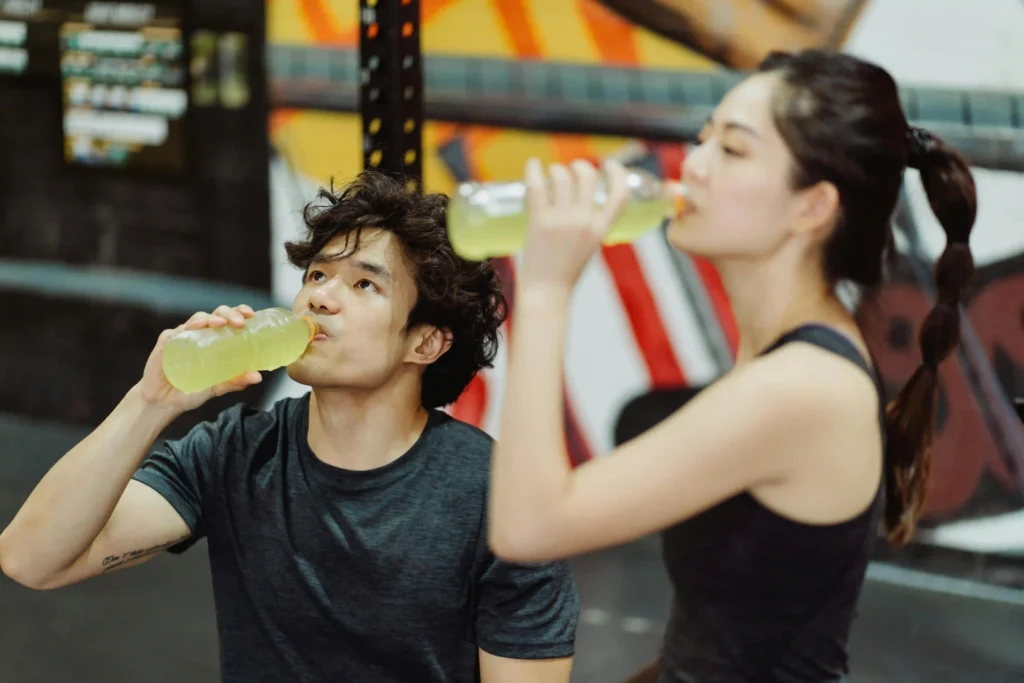
You just finished a hard run. You reach for a sports drink. It’s cold, it’s sweet, and it feels like exactly what your body needs. But have you ever flipped that bottle around and actually read what’s in it?
If you look at the label of any popular sports drink, you’ll see this term. After a tough training session, you’ll discover that those artificial colors, high fructose corn syrup, synthetic flavors and preservatives your body has no need for. There are up to 34 grams of sugar in a standard 500ml bottle. This is equal to 8 full teaspoons.
I learned this the hard way a couple of years ago. I was running a 10k, getting a popular sports drink post run and asking myself why my stomach felt out of whack and I had lost the energy after one hour. After a nutritionist friend said my ‘recovery drink’ was probably the problem, I was really shocked. So official-looking it was. So science-y. So orange.
The truth is that your body doesn’t require a factory to replenish it. It requires only water, electrolytes, a little natural sugar and nothing else. You can cook something that has exactly that ingredients for less money, in less than 5 minutes, using ingredients that are in your own kitchen.
This guide introduces you to what you are really losing while exercising, the 6 essential components of every nutritious sports drink, 5 sports drink recipes for each type of workout and a side by side comparison to the sports drink you are currently consuming. At the end, the blender will be more like a sports lab.
Table of Contents
What Your Body Actually Loses During Exercise
It’s important to know what’s actually happening in your body when you sweat before going into recipes. When you get the hang of it, creating a hydration drink by yourself is clear and obvious!
The first loss is water and it is more rapid than most people realize. Even a 2% reduction in body weight due to sweating can significantly affect physical, reaction, and cognitive abilities. If you need to drink water, you are already slightly dehydrated.
However, water is not all that matters. Sweat also removes electrolytes like sodium, potassium, magnesium and calcium from your body. Each one has a job to do. Sodium helps to maintain fluid balance and hydrate cells. Potassium controls muscle contractions and prevents cramping. Magnesium is used in the body for nerve function and energy production. Every single muscle movement that your body makes requires the use of calcium.
After working out for more than an hour, your body uses up its glycogen stores, which are the energy source that your muscles are using while exercising. If not replaced, performance decreases rapidly and the dreaded “hitting the wall” occurs. A little bit of natural sugar that quickly enters the bloodstream can keep the stores of glycogen going and prevent this drop.
It is the ratio that most commercial drinks are missing. They consume significant amounts of sugar and synthetic sodium, and inadequate amounts of potassium and magnesium. They add artificial dyes which have no physiological function. Some brands continue to use flame retardant compound brominated vegetable oil, which has been banned in food in many countries. Knowing how to fuel your workouts correctly means knowing what your body really wants, and not what your marketing department thought it wanted.
The 6 Building Blocks of Every Homemade Sports Drink
All good homemade sports drinks have a few of these six components. Once you know them, you’ll be able to mix and match and tweak them to fit your workout, length, and preference.
- Water or Coconut Water. Most exercises can be done using plain filtered water. For the longer sessions, coconut water is a game-changer as it has more potassium in it per cup than a banana, contains natural sugars and has magnesium. It is also delicious (without additives).
- Sea Salt or Pink Himalayan Salt (the salt source) This is the one ingredient that is most commonly forgotten and most important. You lose water with salt through sweat and you replace the water and salt. Adding a small pinch (about one-eighth of a teaspoon per 500ml) is sufficient to provide a useable amount of fluid retention without adding too much salt to the fluid. Do not skip this.
- Natural Sweetener (the energy source): This can be honey, maple syrup or medjool date puree. Whereas refined sugar or high fructose corn syrup doesn’t offer any trace minerals or enhance the taste of your beverage, these options do. Start at 1 teaspoon per 500ml and add to taste.
- Citrus Juice (electrolyte booster and flavour) Fresh lemon, lime or orange juice provides potassium and vitamin C; contributes to electrolyte profile and is a mild natural preservative to help extend shelf life. It also helps make the food more refreshing and brighter. Avoid bottled juice – fresh juice can make a world of difference here!
- Coconut water is a natural source of magnesium, the recovery mineral. If you use the food grade magnesium powder, a little goes a long way in straight water based recipes, but if not, the cumulative magnesium from the citrus and salt will suffice. A lot of people don’t realize they might be low in magnesium, and it is common causes of muscle cramps and poor recovery.
- Optional Boosters (the upgrades) The anti-inflammatory compounds can be found in the ginger, which help minimize workout soreness. Black pepper and turmeric have a beneficial effect on the cellular level, promoting recovery. Mint is cooling and refreshing and is especially beneficial during hot summers. Soaking a tablespoon of chia seeds in water provides a long-lasting moisture to the food, due to their water-holding ability. These are not necessary — but these certainly make a very good drink a very good one.
“Five minutes. Six ingredients. Zero artificial anything. That is what a real sports drink looks like.”
5 Homemade Sports Drink Recipes for Every Type of Workout
Below are some different types of recipes depending on the workout and its intensity. If you are new to cooking, try starting with Recipe 1 – it requires only 3 minutes and uses items you likely have in your kitchen.
CLASSIC EVERYDAY
1. The Basic Electrolyte Drink
Best for: any workout under 90 minutes
Ingredients: 500ml cold water · juice of half a lemon · 1 tsp honey · 1/8 tsp sea salt
Method: Squeeze the lemon into a bottle or jug. Add honey and salt. Pour cold water over. Shake for 10 seconds. Done. This is a recipe I use before all of my runs and is actually very refreshing and pure tasting for pennies.
Nutritional highlight: no artificial anything, natural electrolytes, about 20 calories per bottle.
Storage: Keeps for 24 hours in the fridge. Prepare ahead of time and it will be just as cold as needed the night before.
ENDURANCE TRAINING
2. Coconut Water Citrus Recharge.
Best for: runs, cycling, or long sport sessions (longer than 60 minutes)
Ingredients: 300ml coconut water · 200ml cold water · juice of 1 orange · juice of half a lime · 1/8 tsp sea salt · 1 tsp honey
Method: Mix all ingredients in a sports flask or bottle. Stir until honey is dissolved. Taste and add a little more honey if you’re going for a really long session.
Nutritional highlight: Excellent potassium (coconut water), natural sugars for glycogen storage, great for long duration cardio.
The food and fluids consumed before and after training make a difference in body function and recovery.
Storage: It is best to make fresh the day of. Use coconut water within 24 hours after it has been opened, as it oxidises rapidly.
ANTI-INFLAMMATORY
3. The Golden Recovery Drink
Ideal for: post-workout recovery and muscle soreness
Ingredients: Mix 500ml of the warm or room temperature water with ½ tsp turmeric, ¼ tsp fresh grated ginger, juice of half a lemon, 1 tsp honey and a pinch of black pepper.
The black pepper is a must — piperine found in black pepper increases the absorption of the turmeric by up to 2000%. If it is not present, most of the curcumin is excreted in the feces.
Method: Mix all ingredients in a mug or bottle. Stir vigorously. After exercise, within 45 minutes, the anti-inflammatory compounds are the most active and can be used.
Nutritional highlight: The two most researched natural anti-inflammatory supplements used in sports nutrition are curcumin and gingerol. The effect is multiplied if you mix this drink with fruits that help with muscle recovery.
Storage: Best drunk fresh. May be prepared ahead of time and refrigerated, but should be slightly warmed before consumption.
SUMMER / HOT WEATHER
4. Watermelon Mint Hydrator
Ideal for: outdoor exercises, hot weather, summer sport
Ingredients: 2 cups fresh watermelon (blended) · 200ml cold water · juice of 1 lime · small handful of fresh mint · 1/8 tsp sea salt
Method: It is recommended to blend watermelon until smooth. If you prefer a clear drink, strain it. Add lime juice, mint, salt and cold water. Fill a cold flask.
Nutritional highlight: Watermelon is packed with citrulline, a natural amino acid that has been demonstrated in several studies to increase blood flow and decrease fatigue after working out. Mint has a real “cooling” effect, both psychologically and physically.
Storage: Store in a cold flask. Watermelon is best eaten within 6 hours of its harvest, because it can lose its flavour rapidly.
KIDS / LOW SUGAR
5. The Clean Kids’ Sports Drink
Ideal for: children sport, school activities, lower intensity exercise
Ingredients: 300ml water · 200ml unsweetened apple juice (100% juice) · juice of half a lime · pinch of sea salt
Method: Place all ingredients in a sports bottle. Shake. Done. The diluted apple juice gives children the necessary natural sugars and potassium that they require without the artificial colours and sweeteners in commercial sports drinks for children.
Nutritional highlight: No added sugar, no artificial colours, low on sensitive stomachs. Apple juice helps dilute the juice to make it palatable to children who are reluctant to drink water.
Note: For children under 3, always consult a paediatric dietitian before introducing sports drinks of any kind, even homemade.
When to Drink Your Homemade Sports Drink
When you drink it is almost as important as what you drink. Here’s the quick guide:
- Before your workout (30–60 minutes prior): Pre-hydration is most important before a workout. Have 300-400ml of your chosen recipe before you get started. Take it slowly, do not take a large drink at once.
- During your workout: Only necessary for workouts of 60 minutes or longer. Instead of drinking large volumes at a time, sip the liquid every 20 minutes to avoid bloating and cramping. Cold drinks are absorbed faster.
- After your workout (the recovery window): Your muscles are most receptive in the 30-45 minutes after your workout, so this is the time to focus on replenishing electrolytes and glycogen. This is the most crucial window. Even when you feel well after exercise, it is important to still drink water.
- When plain water is enough: If you’re exercising for less than 45 minutes, at moderate intensity, plain water is indeed enough! Sports drinks, homemade and not, are intended for sustained physical activity. Don’t make a complicated picture of what is actually a simple picture.
Quick Reference: Hydration by Session Type
| Session Length | Best Drink | When to Drink | Amount / Notes |
| Under 45 min | Plain water | Before only | No sports drink needed |
| 45–60 min | Basic Electrolyte Drink | After session | 150–250 ml post-workout |
| 60–90 min | Coconut Water Citrus Recharge | During + After | Sip every 20 min during |
| 90 min+ | Endurance formula (Recipe #2) | Before, During, After | Start hydrating 1 hr before |
| Hot weather | Watermelon Mint Hydrator | Before + During | Extra sodium in heat |
| Recovery day | Golden Recovery Drink | Post-workout | Best within 45 min after |
Homemade vs. Store-Bought: What Does the Label Actually Tell You?
This is not an “anti-commercial drinks” thing. The convenience time and place is there for a reason. However, the facts come in handy before your next buy.
The problem with most sports drinks is not the electrolytes, it’s the rest of the package. Several studies have found that artificial dyes, such as Red 40 and Yellow 5, are associated with hyperactivity in children. There are over 30 grams of sugar in many brands, which is the amount of sugar in a chocolate biscuit during a run! The ultra processed ingredients used to stabilise and preserve these drinks are the same category of additives that are being linked in research to long term metabolic disruption.
The monetary cost is significant alone. The homemade electrolyte drink costs approximately 5p to 15p per serving. A sports drink marked with a brand name is 1-2 lbs. in cost. The disparity of training over a year is measured in hundreds of pounds.
Commercial drinks do have a few things going for them: convenience and shelf life. Their purpose is to provide food when you are in need when you are at a race event or need something quick on the road. The objective is not perfection, it’s making a better choice, most of the time.
Side-by-Side Comparison (per 500ml serving)
| Homemade Sports Drink | Leading Store Brand | |
| Sugar | 0–8g (honey/maple) | 30–34g artificial sugars |
| Electrolytes | Natural: salt, citrus, coconut water | Synthetic sodium + potassium chloride |
| Additives | None | Artificial colours, flavours, preservatives |
| Calories | 20–60 kcal (adjustable) | 80–140 kcal per 500ml |
| Cost | 5–15p per serving | £1–£2 per bottle |
| Shelf life | 3–4 days refrigerated | 12–24 months (preservatives) |
Frequently Asked Questions
Q: Is a homemade sports drink as effective as Gatorade?
Yes, for most people and most exercise sessions — and even more so. Compared to the leading commercial electrolyte drinks, a good home-made electrolyte drink is similar in terms of sodium and potassium content, has natural sugar (no high fructose corn syrup) and no artificial additives. The main difference is that it is convenient and not effective.
Q: What is the best natural electrolyte drink for working out?
Coconut water, mixed with sea salt and fresh citrus juice, is always recommended as one of the best natural electrolyte beverages. It contains both potassium and sodium, plus magnesium and natural sugars and their ratios are similar to those lost by the body when sweating.
Q: Can I drink homemade sports drinks every day?
Yes, for most healthy adults, especially if you are physically active. These electrolyte recipes are safe to consume daily. People with kidney disease, heart problems or taking certain medicines which impact on electrolyte balance should check with their doctor before regularly consuming sport drinks.
Q: How much salt should I put in a homemade sports drink?
The general starting point is about one-eighth of a teaspoon (300-350mg of sodium) per 500ml. This is very close to the weight lost by an average person during 30-60 minutes of moderate activity. Those who are heavily sweating or training or in hot weather conditions might require a bit more.
Q: Are homemade sports drinks safe for children?
Children’s special Recipe 5 is especially formulated for children: Low Sugar, diluted juice, gentle on sensitive stomachs and free of artificial anything. Always ask a paediatric health care professional before giving to children who are less than 3 years of age or children who have health problems.
Your Kitchen Is Now a Sports Lab
Five minutes. Five ingredients. Zero artificial anything. That’s what a real sports drink should taste like — and now you know how to create a real sports drink!
Start with Recipe 1. It takes three minutes, it costs almost nothing, and it will feel noticeably cleaner than anything in a brightly coloured bottle. Once you have made it a few times, experiment. Add ginger. Try coconut water. Make the golden recovery drink after your next leg day and pay attention to how you feel the morning after.
And if you enjoy making your own drinks, our smoothie recipes for hydration and recovery are the natural next step.
What is your first recipe? Put it in the comments, we read all of them! And send this to any runner or gym buddy you know who is still paying £2 a bottle.
MEDICAL DISCLAIMER
The information in this article is for educational and informational purposes only and is not intended as medical advice. It should not be used to diagnose, treat, cure, or prevent any health condition. Always consult a qualified healthcare professional before making changes to your diet or exercise nutrition, particularly if you have any underlying health conditions, kidney disease, heart conditions, or are pregnant. Individual electrolyte needs vary based on body weight, sweat rate, and health status. Pure Vitality Tips is not responsible for any actions taken based on the information provided in this article.
1 thought on “Ditch the Neon Bottle”