One of Nature’s Most Powerful Health Foods
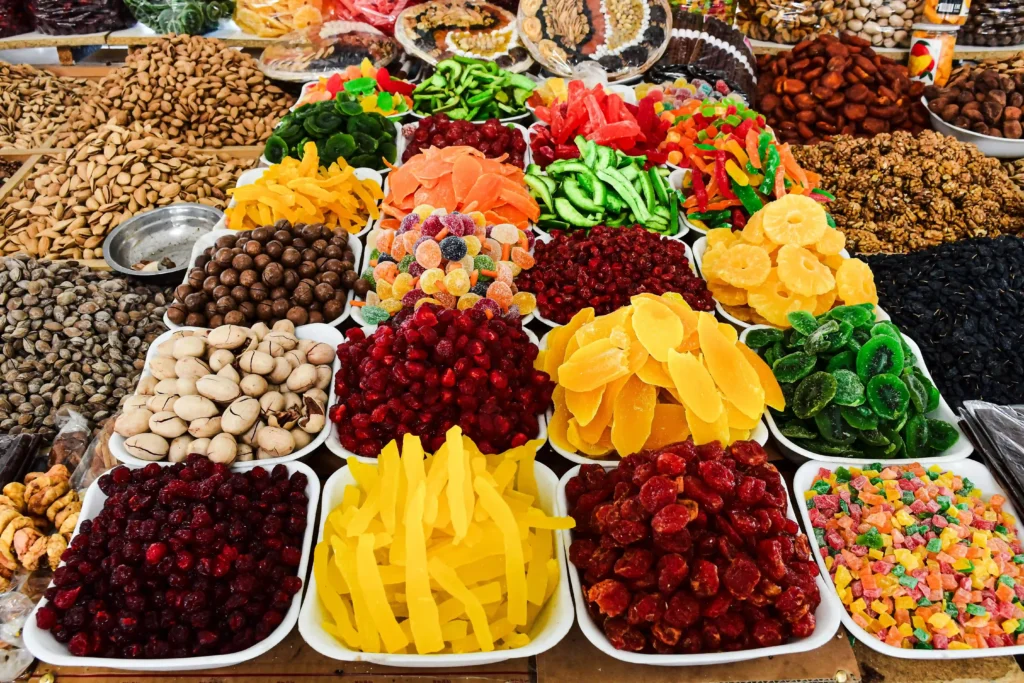
Somewhere between the protein bars and the trail mix, dried fruit sits quietly on the shelf — underestimated, occasionally dismissed as ‘too sugary’, and almost never given the nutritional credit it actually deserves.
The reality is that dried fruit is one of the most nutrient dense foods, that you can purchase in grams. Removal of water from fresh fruit concentrates the fibre, vitamins, minerals and polyphenols many fold. For example, a 30g portion of prunes has more antioxidants than a cup of fresh blueberries (ORAC score). Just a few dried figs provide as much calcium as numerous servings of dairy.
Consumers of dried fruit reported significantly higher intakes of potassium, fibre, magnesium and vitamin E per day than non-consumers did, as well as higher overall diet quality scores, according to an analysis published in the journal Nutrients in 2020. These are not insignificant variations. These are clinically significant changes in important nutrition indicators.
The sugar thing — now. Yes, dried fruits are calorie-dense and contain more sugar than fresh fruits. That is why it is customary to serve a small handful (about 30g), not a bowl. It is at that part that dried fruit is a much healthier option than the biscuit, cereal bar or crisps it usually takes the place of.
The 12 healthiest dried fruits, what they can do for your body, and how to pick and use them to get the most benefit out of them.
Table of Contents
Why Dried Fruit Is More Nutritious Than Most People Realise
The drying process removes water but concentrates everything else. Per gram, the fibre content, iron, calcium, potassium, magnesium, B vitamins and polyphenolic antioxidants are more concentrated than in the same amount of fresh fruit.
Most of the antioxidants and anti-inflammatory compounds in dried fruit are polyphenols, which are the plant compounds preserved especially well during the drying process. Others, such as the chlorogenic acids in prunes, even get richer in the process of drying. In large-scale observational studies these compounds have been associated with a decreased risk of cardiovascular disease, type 2 diabetes and some cancers.
Another big benefit of dried fruit is the fibre content. In fact, most people are taking less than 25–30g fibre a day, which is the recommended amount. The dried prunes and figs are both a good source of fibre, with 30g of prunes having approximately 2g fibre, and dried figs having nearly 3g fibre. This fibre nourishes the gut microbiome, delays the rise in blood sugar, promotes bowel regularity and provides cardiovascular protection.
Yes, the sugar part: dried fruits are made from fructose, a natural sugar. The glycaemic effect is reduced when eaten in moderation with other foods as this is moderated by fibre. The worry about dried fruit sugar is not warranted if you’re consuming 150g at a time — but if you’re eating a tiny 30g handful.
Another practical advantage that dried fruit offers that fresh food cannot compete with is shelf life and portability. It’s the original ‘convenience’ food and it’s effective.
The 12 Healthiest Dried Fruits and What Each One Does for Your Body
All entries listed below have a similar format: the nutrients, the primary health benefit, the primary target population, the amount to consume, and what to look for when purchasing.
🍇 1. Raisins
Raisins are the most well-researched dried fruit and the results are always good. They are made from dried grapes, and are a good source of iron, which is essential for oxygen transport in red blood cells, especially for women, vegetarians and endurance athletes.
They also provide boron, a trace mineral that has been shown to have a strong effect on the health of bones and the regulation of hormones; resveratrol, the polyphenol that is known to have a protective effect on the cardiovascular system; and the presence of tartaric acid that provides specific nourishment to beneficial bacteria in the gut, while simultaneously playing a role in the balance of the microbiome of the colon.
In a 2020 study, people who ate raisins every day had significantly lower blood pressure and better cholesterol levels than those who snacked on processed versions.
The 30g serving (around 60 raisins) provides about 1mg of iron, 1g of fibre and 130 calories.
Buy tip: Choose natural sun-dried raisins with no added sugar or oil. They should be the only ingredient on the label.
🍑 2. Dried Apricots
Dried apricots contain more beta-carotene, the precursor of Vitamin A which is beneficial for the eyes, the immune system and the skin health than other plant foods. A 30g portion makes a substantial contribution to vitamin A recommendations.
They also contain a lot of potassium which is good for regulating blood pressure and cardiovascular health, and non-haem iron, which is beneficial for individuals who are cutting down on their intake of red meat. The iron in dried apricots is best absorbed when combined with a source of vitamin C — a squeeze of fresh lemon juice is just perfect!
An important factor to take into account when buying – most dried apricots available commercially are bright orange due to their content of sulphur dioxide (E220) which preserves colour. Unsulphured dried apricots are brown in color and are nutritionally the same as sulphured dried apricots, but do not contain the additive. Asthma and sulphite sensitive persons should always opt for unsulphured.
Buy tip: Choose unsulphured, unsweetened dried apricots. The darker colour is normal and indicates no additives.
3. Prunes (Dried Plums)
Prunes are a top antioxidant food on earth by ORAC score, and are higher in antioxidants than most fresh fruits and most vegetables, and nearly all other dried fruits. The main polyphenolic compounds found in their are chlorogenic acid and neochlorogenic acid, which have been investigated for anti-oxidant and anti-inflammatory properties in chronic diseases.
Apart from antioxidants, the best known health benefit of prunes is for their digestive properties. It’s not all the fibre — prunes are also rich in sorbitol, a natural sugar alcohol that attracts water to the large intestine and aids in bowel movements. In a clinical study of 2022, daily consumption of 50g of prunes significantly improved bowel frequency and stool consistency in adults with constipation, without having any adverse effects.
The prune bone health research is one of the most surprising aspects of prunes. Several RCTs have demonstrated that consuming prunes 50-80g/day decreases bone resorption markers and can maintain bone mineral density, especially in postmenopausal women. It is a combination of vitamin K, boron and anti-inflammatory polyphenols. The link between gut health and what you eat is clearer than ever before in the case of prunes.
Serving: 50g (about 5–6 prunes) is the research-backed amount for digestive and bone benefits. Start with 2–3 if new to them.
4. Medjool Dates
Medjool dates are the nature’s most effective pre-work out food. They are rich with glucose and fructose in easily digestible form, so that the energy is provided in quick bursts and sustained. They have been employed as a performance food by athletes for centuries — and so is modern sports nutrition research.
In addition to energy, dates are loaded with potassium, magnesium, B vitamins, which are directly involved in muscle contraction, nerve signalling, and energy metabolism. They also include anti-inflammatory flavonoids such as quercetin and kaempferol to help replenish after workouts.
One very interesting line of date research is in the area of pregnancy outcomes. According to several studies such as one conducted in the Journal of Obstetrics & Gynaecology, those women who ate dates in the last few weeks of their pregnancy had a much greater likelihood of spontaneous labor and needed less oxytocin to induce labor. This is an amazing discovery for a whole food.
Two Medjool dates (about 48g) contain 27g of carbohydrate, 2g of fibre, 400mg of potassium, and provide approximately 110 calories. An ideal pre-exercise snack paired with a source of protein.
Purchase tip: Medjool dates are the most nutritious! Deglet Noor dates are also very good and usually not as costly.
🍎 5. Dried Figs
Dried figs are the most fibre-rich of all popular dried fruits (almost 3g per 30g). That means they’re very good for digestive health, blood sugar control and heart health. The fibre in figs is a prebiotic which helps to feed the good bacteria in the gut microbiome that produce short-chain fatty acids, anti-inflammatories and strengthen the immune system.
Figs are also one of the healthiest plant sources of calcium (around 80mg in 30g serving) as well as copper and manganese which are important for bone formation and other enzymatic processes. Dried figs are a good supply of calcium for those who limit their dairy consumption.
Despite their sweet taste, dried figs have a lower glycaemic impact than their sugar content suggests — precisely because of that high fibre content. The fibre slows glucose absorption and prevents the sharp blood sugar spike associated with other sweet foods.
Serves: 3 – 4 dried figs (approx. 30g). Combine with nuts for a nutritious snack to complement the natural sugars and extra fibre.
6. Dried Blueberries
The blueberry plant also supplies an array of anthocyanins, deep blue/purple pigments that give blueberries their remarkable reputation as a brain health food, which are also present in dried blueberries. In several studies, anthocyanins have been documented to enhance brain function, such as memory, cognitive processing speed and prevention of age-related cognitive decline, while passing the blood brain barrier.
Researchers at Harvard University determined in a study of more than 16,000 women that those with the most blueberries experienced up to 2.5 years of “cognitive ageing” delay compared to those who consumed none. Most studies are conducted with fresh blueberries, but concentration of dried blueberries (unsweetened) results in a similar amount of anthocyanins.
Aside from the brain health benefits, dried blueberries help your blood pressure by boosting nitric oxide production, and help your gut health by promoting gut lining health with prebiotic fibre and reducing the attachment of bad bacteria.
Buy tip: Unsweetened is non-negotiable with dried blueberries. Most brands add significant sugar. Read every label. The ingredient list should say: blueberries.
🍒 7. Dried Tart Cherries
One of the few foods that have a measurable amount of melatonin, the hormone that controls the sleep-wake cycle, is dried tart cherries. A 2018 randomized trial showed that people who consumed tart cherry juice (which equals the polyphenol dose of a large service of dried cherry) had longer total sleep time and better sleep efficiency.
Another big advantage of dried tart cherries for athletes and active individuals is the ability to support recovery through anti-inflammatory effects. They contain anthocyanins and quercetin to decrease muscle soreness and damage markers following exercise. A number of studies have been conducted on marathon runners, cyclists, and strength athletes and all seem to indicate some degree of recovery from sports injuries is quicker when people consume tart cherry on a regular basis. They are one of the fruits that directly helps in muscle growth and recovery because of its anti-inflammatory properties.
A 30g serving provides meaningful quantities of vitamin A, vitamin C, manganese, and potassium, alongside the sleep-supporting melatonin and recovery-supporting polyphenols.
Timing: Small serving 45-60 minutes before going to sleep will help sleep. Post-workout serves to replenish. Two, one food, two benefits!
🥭 8. Dried Mango (Unsweetened)
Unsweetened dried mango is an excellent source of vitamin C (more than 30% of the RDV per 30g serving), beta-carotene, folate and potassium. Vitamin C and beta-carotene are especially beneficial for immune health, skin health and collagen production.
It’s important to remember that the emphasis here is unsweetened. Dried mango is one of the sweeter dried fruits available. There are commercial varieties that have the same amount of added sugar as any confectionery product. The ‘dried mango’ label may refer to a product that contains between 12g of natural sugar from 30g of product and more than 20g of sugar added. The list of ingredients should say: mango. Nothing else.
Dried mango is also known to contain bromelain associated enzyme activity that aids digestion and helps to minimize inflammation; dried mangoes that are well bought will contain this activity.
Tips on buying: Check the label for ‘sulphur-free, no added sugar’. Fruit colour should be of a natural yellow-orange colour, not an unnatural bright colour.
🍓 9. Dried Cranberries (Unsweetened)
Cranberries are different from other dried fruits in that they contain a special form of polyphenol known as proanthocyanidins (PACs) that blocks the ability of certain bacteria (including E. coli) to adhere to the wall of the urinary tract. This is how cranberries are known to help prevent UTIs, a result of several clinical trials.
In addition to urinary health, PACs slow the adherence of bacteria to tooth surfaces, promoting oral health; neutralize LDL cholesterol oxidation, which promotes cardiovascular health; and exhibit anti-inflammatory effects in the lining of the gut.
The problem with dried cranberries is that practically all commercial varieties are so sweetened — cranberries are naturally very tart and most manufacturers add copious amounts of sugar or fruit juice concentrate to make them palatable. Sweeteners do not add to the nutritional value of dried cranberries.
Tip: When choosing cranberries, if they are not unsweetened, find those with the apple juice sweetener as opposed to the refined sugar sweetener, it’s a little better. Alternatively, pick another fruit from this list.
🌿 10. Dried Mulberries
Perhaps the most nutrient-forgotten fruit on this list is dried mulberries. They contain about 9-10g of protein per 100g and are the highest protein dried fruit available, which is very beneficial in vegetarian/vegan diets where protein is hard to obtain in convenient forms. They are also a source of all the essential amino acids which is one of the few complete plant proteins in a fruit form.
Mulberries also have iron, vitamin C, and substantial amounts of DNJ (1-deoxynojirimycin) a substance that in studies has been found to slow carb absorption and aid in blood sugar regulation, as well as resveratrol — the polyphenol in red grapes responsible for cardiovascular protection and longevity. This is the reason why dried mulberries are especially interesting for those who suffer from insulin resistance.
Their flavor is reminiscent of a blackberry and a fig, but mild, slightly sweet and surprisingly delicious. They’re not as well-known and so can be found at health food stores and online, unsweetened, at reasonable prices.
Purchase them from health food stores, whole food markets or online. Purchase unsweetened white or black mulberries that are free of harmful chemicals.
🍍 11. Dried Goji Berries
Dried goji berries contain zeaxanthin and lutein, which are two carotenoids that are specifically concentrated in the eye’s macula, and are protective against age-related macular degeneration (AMD) and cataracts. A 2021 study revealed that those who ate goji berries every day had a significantly increased macular pigment density, which is a direct measure of eye disease protection.
Goji berries are also a complete protein food (one of the few plant foods that contains all of the essential amino acids. They contain vitamin A, vitamin C, iron, zinc and beta-carotene, as well as a potent antioxidant called zeaxanthin, and have been used as an adaptogen (a substance that helps to resist the effects of stress on the body) in traditional Chinese medicine for more than 2,000 years.
Dried goji berries are one of the most nutrient dense foods per calorie, in any category. This is an unusual carbohydrate, protein and fibre profile for a dried fruit, with 30g serving sizes containing around 11g of carbohydrates, 4g protein, and 3g fibre.
Purchasing tip: Make sure to get unsweetened, whole goji berries. Steer clear of added sugar and reconstituted goji powder. Bright red colour indicates quality.
🍏 12. Dried Apple Rings
One of the most researched anti-inflammatory flavonoids studied in nutritional research, dried apple rings also contain quercetin. Quercetin has been shown to be active against allergic inflammation, be beneficial to lung health (due to one of the compounds associated with the ‘apple a day’ and respiratory health) and inhibit in vitro the growth of a few cancer cell lines.
They are also an excellent source of pectin — a type of soluble fibre that forms a gel in the digestive tract, slowing glucose absorption, binding cholesterol, and reducing LDL levels. A 2019 meta-analysis found that apple pectin consumption significantly reduced total and LDL cholesterol in adults with hypercholesterolaemia.
Dried apple rings are light and low in calories, and are naturally very palatable for kids. This contains about 2g of fibre, 85 calories and an interesting amount of quercetin per 30g serve. They make a great alternative to crisps in lunchboxes.
Tip: Purchasing dried apple rings without added sugar or sulphur is a good choice. A few brands include cinnamon, which is a harmless and delicious flavoring. Do not use any candies that contain additional sugar.
“Dried fruit is not junk food in disguise. Chosen well and eaten in the right amounts, it is one of the most efficient nutrient deliveries available in a single small handful.”
How to Buy Dried Fruit the Right Way — What the Label Is Actually Telling You
By far, dried fruits sold in supermarkets are subjected to a variety of processing techniques that have a strong impact on their nutritional quality. Knowing what to avoid and what to look for, makes every shopping trip different.
The biggest worry is added sugar. The worst offenders are dried cranberries, dried mango, and dried pineapple, as many brands contain a lot more sugar than naturally found in the fruit. Always read the ingredients list, not only on the front of the pack!
In dried apricots and dried mango, sulphur dioxide (E220 / sulphites) is used to maintain the good colour of dried fruit. It poses no danger to most people, but may cause reactions in human respiratory system to some people with asthma or sulphite sensitivity. Unsulphured versions are of a dark colour that are not nutritionally different and do not contain additives.
Some dried fruits may be coated with oil to prevent sticking. They don’t pose a problem but they are extra calories and processing. Oil-free is preferable.
In cases of frequent and significant consumption of dried fruit, it’s worth considering choosing organic. In the drying process, all of the fresh fruit, including any pesticides, are concentrated. In the case of your frequently used plants, it is worthwhile to invest in organic.
Quick Buying Guide — What to Look For vs. What to Avoid
| ✅ LOOK FOR | 🚫 AVOID |
| “No added sugar” or “unsweetened” | Added sugar, glucose syrup, fruit juice concentrate |
| Unsulphured (darker colour is fine) | Sulphur dioxide / E220 (especially if asthma) |
| Single ingredient on the label | Vegetable oil coatings, artificial preservatives |
| Organic where eaten frequently | Heavily processed or candied varieties |
| 30g serving clearly indicated | Oversized portion bags with no serving guide |
The simplest rule: the shorter the ingredients list, the better the product. The ideal dried fruit has one ingredient: the fruit itself. Anything longer warrants a careful read.
12 Creative Ways to Eat More Dried Fruit Without Overdoing It
A portion of dried fruit is 30g or about a small handful. It provides useful nutrition and won’t add too much sugar to meals. The trick is to use dried fruit as a dietary staple instead of a snack item to be devoured at will.
Use chopped dates and/or figs in the morning oats instead of sugar. Smoothies made with dried mango or dried blueberries can provide a sweet taste and a boost of nutrients. Use dried fruit as a base for these smoothie recipes instead of fresh fruit, if you aren’t finding fresh fruit available.
For a healthy, homemade energy snack, combine raisins, goji and almonds. Savor prunes in overnight oats for digestion in the morning. Add dried cherries to greek yoghurt after training. Add dried cranberries to salads and top with toasted walnuts and crumbled feta.
Dried apricots in tagines and grain bowls, dried figs with goat’s cheese on crackers as an appetiser, dates as a natural sweetener, as well as energy balls or raw bakes, where dried fruits are blended with nuts and other ingredients, and there won’t be any ultra-processed snacks with the health risks that come along with them.
Dried apple rings and raisins make a great addition to lunchboxes for kids; they’re healthy, tasty and always in demand. They provide iron, fibre and antioxidants in a convenient form that is easy to carry around in the 30g pack.
Frequently Asked Questions
Q: What is the healthiest dried fruit to eat?
Dried plums (prunes) are consistently at the top of the nutritional list, with the highest amount of antioxidants, digestive benefits, excellent fibre content and bone protecting properties. Medjool dates are close to for energy and mineral density. Ultimately, the ‘healthiest’ selection depends on your overall health objectives: goji berries are great for eye health, dried tart cherries are good for sleep and recovery, and dried figs are good for digestive support.
Q: Are dried fruits as healthy as fresh fruits?
They are not less, they are different. Dried fruits also have a higher sugar content per gram, and more fibre, minerals and antioxidants, but are also higher in calories per gram. Dried fruit contains less vitamin C than fresh fruit (some of it is lost during drying), and less water. They are both good food items to have in a balanced diet. Dried fruit is a great source of nutrients on the go and as a shelf-stable snack, while fresh fruit is a great choice for staying hydrated and helping to keep calorie intake down.
Q: Which dried fruit is best for weight loss?
For weight loss, prunes and dried apricots are the best choices; they contain lots of fibre which helps keep you full, and therefore can help lower your total calories. A small amount taken before eating can have a significant impact on appetite. Portion control is important – 30g per serve is maximum. Dried fruit is very high in calories, but that’s not the best indicator of weight loss; the nutritional punch it can deliver is a better one.
Q: How much dried fruit should you eat per day?
Here 30g per day is the recommended amount to have as part of one of your fruit intake in the day. This is equivalent to 60 raisins, 3-4 dried apricots, 2-3 dates or 5 prunes. Diabetics or those who have concerns of regulating their blood sugar should always check with their health care provider as to what size is appropriate for them.
Q: Are dried fruits high in sugar?
Yes — naturally. This means the water that is taken out when the fruit is dried leaves behind higher concentrations of sugars in the fruit than those that exist in fresh fruits. But the natural fruit sugar consumed along with the fibre will act differently in the body than added or refined sugar. The three things to think about are: amount of dried fruit (30g), unsweetened varieties and mix with other foods in a meal or snack, not stand alone.
Small Handful. Big Nutritional Payoff.
It isn’t junk food at all when it’s dried. There are varieties that can be selected to provide concentrated nutrition and if they are not sweetened, don’t contain too many additives, in the right servings, then you’re in your pocket with concentrated nutrition. Prunes as an Antioxidant & for bone health. Dates for energy. Figs for fibre. Sleeepy dried cherries! Eyesight berries–Goji berries. Mulberries for protein. They each have a clear, known, supported rationale for their presence.
If you’re only going to eat one thing this week, try prunes or dates, both of which have astounding research and are widely available.
Which of these 12 dried fruits do you already eat — and which surprised you most? Share in the comments below. And if you know someone who thinks dried fruit is just sugar, send them this.
MEDICAL DISCLAIMER
The information in this article is for educational and informational purposes only and is not intended as medical advice. Dried fruits are high in natural sugars and calories. Individuals managing diabetes, blood sugar conditions, irritable bowel syndrome, or specific dietary restrictions should consult a qualified healthcare professional before significantly increasing dried fruit consumption. Pure Vitality Tips is not responsible for any actions taken based on the information provided in this article.
10 thoughts on “These 12 Dried Fruits Are Quietly”