The Beginner’s Diet Guide I Wish I’d Had
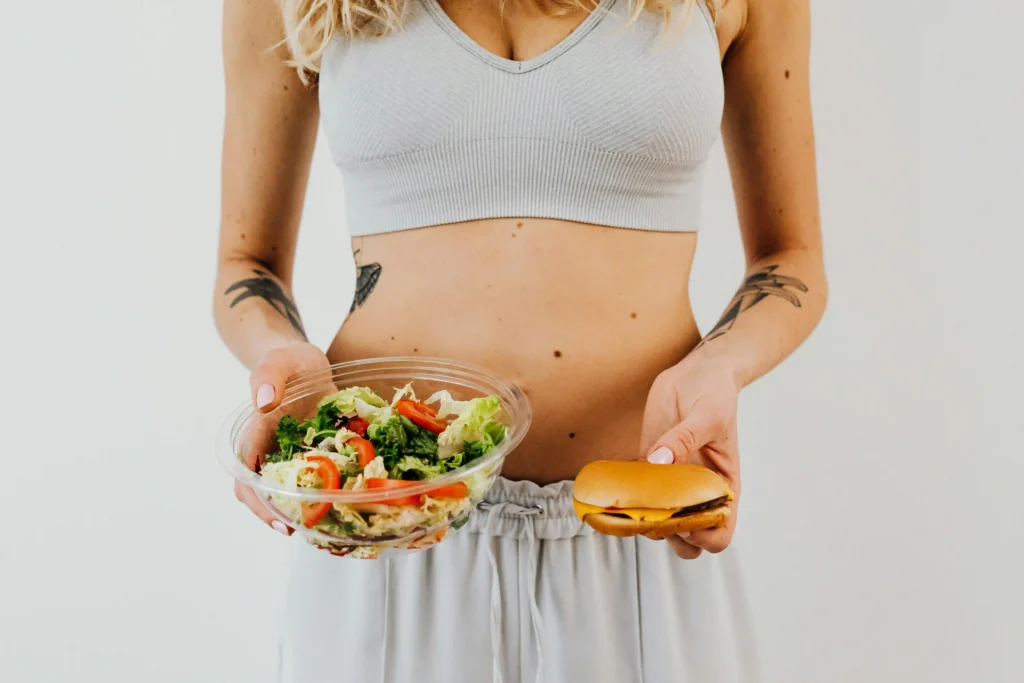
It was the first week that I joined a gym and I did not know what to eat. One morning, when I was about to go to my first session, I was really not sure whether to eat before going or not, stood in the kitchen. A friend told me to fast so I could burn fat the most. I had watched a video the previous night saying to take a protein shake before training. A worker at the workplace vowed on a banana and nothing else. Again the internet had all the answers at the same time.
So I did the thing that most beginners would do: I guessed. On some days I was without any training. One day I had too much food, too close to the session, and had to run my session on the treadmill for half an hour, while feeling like I was going to puke. My motivation was lacking, my speed was slow, and after six weeks I was nearing the end of thinking that the gym was not for me.
There was no lack of motivation. Even it was not the correct exercise program. It was a straightforward, clear, straightforward overview of eating for the gym written in an easy-to-understand way, without any jargon, supplement marketing, or one-size-fits-all calorie count spreadsheets that make beginning eaters feel like they need a nutrition degree to get a meal.
This is that guide. All of my lessons learnt from trial and error, research, and finally knowing that my body needed, all in one place. If this is your first time, here’s one of the articles I really would have liked to read on day one.
⚡ The Stat That Changes Everything
According to sports nutrition research, nutrition accounts for up to 70-80% of your body composition results. You can train perfectly and still see minimal progress if your diet isn’t aligned with your goals. Food is not the supporting act — it is the main event.
Table of Contents
Why Your Diet Matters More Than Your Workout (Especially at the Start)
This is something that I was not told in my first few weeks. I was using the gym and my diet as two separate entities — as if I could go 4 days a week to the gym and eat whatever I wanted, and it would all work out.
They did not. And the science, explained.
As with any training, and especially at the beginning, you make tiny rips in the muscle fibres. This is a natural and normal requirement. However, it’s the repair and rebuilding of those fibres that actually makes you stronger, leaner and fitter that occurs almost exclusively outside the gym. It occurs as you sleep, while you sleep and most importantly, it relies solely on what nutrients you provide your body during the day.
In the fitness world, there is a phenomenon known as “beginner advantage” or “newbie gains,” which refers to the incredible improvement that occurs with a complete beginner’s body in the first three to six months of training. It is a new stimulus to your body and your body changes quickly. Muscle is created more quickly. Reduced fat is done more efficiently. Your cardiovascular system advances at a rate that even the veteran gym buff can only nostalgically refer to.
Here’s what no one tells you, though: when you aren’t eating well in this window it causes a slow down in your progress! It actively keeps on destroying it. Not fueling your training when you are just starting is like having your best opportunity to some training and then letting it go.
“The gym gives your body a reason to change. Your diet gives it everything it needs to actually do it. You cannot have one without the other.”
Macronutrients Made Simple — Protein, Carbs and Fats Without the Jargon
There’s one area of beginner gym nutrition that goes wrong quicker than anything else and that’s macronutrients. Some people are obsessed with counting every single gram, or others make no use of macro and question why are they not gaining any progress? Again, the true answer is much simpler and more down-to-earth:
Protein — the builder
The macronutrient that your muscles are literally built of is protein. Once you’ve trained, you need the amino acids in protein to build back up the muscle fibres damaged in your workout. If you don’t have enough protein, that repair will not go down the road as quickly, and you will not see the results you want.
For gym beginners, the research proves protein intake between 1.6 and 2.0g of protein per Kg of body weight per day is the right amount. This amounts to 112g – 140g of protein a day for a 70kg person. At first, this seems like a lot of food, but when you put it into perspective, it becomes a lot of real food. If you’re looking for an explanation of exactly what this amount of protein consumption does to your body on a day to day basis, this breakdown of what happens when you eat 100 grams of protein each day is one of the most eye-opening articles on the site.
Carbohydrates — the fuel
For my first two months at the gym, I didn’t eat any carbs. I had read somewhere they were the enemy of fat loss; I took that advice. It was one of the worst things as a beginner.
Carbohydrates are the main source of energy for your body during intense exercise. They’re stored in your muscles and liver in the form of glycogen, which is what your body uses when you’re doing a ton of squats or running on the treadmill. If you reduce carbs too drastically, you will deplete your glycogen stores rapidly, and suddenly find yourself with nothing left half way through the workout.
The important thing is selecting the correct carbs. Complex carbs, which are foods like oats, brown rice, sweet potato, wholegrain bread, and legumes, are slow-digesting and will provide energy for a longer period of time, compared to refined sugars, which cause dramatic rises and falls in blood sugar.
Healthy fats — the regulator
For many years, dietary fat has been blamed for a host of diseases and conditions. Healthy fats are particularly important for gym beginners as they help to produce hormones (such as testosterone for muscle building in both men and women), protect the health of joints, and also act directly in recovery from training. Don’t be afraid of these so-called sources of fat; they are a regular part of your diet, and you will find that avocado, olive oil, nuts, seeds and oily fish are great sources of fat.
The beginner plate method — no calorie counting needed
When it comes to macros, get started with this method: Eat ½ plate of vegetables, ¼ plate of a lean protein source, ¼ plate of a complex carbohydrate. This one visual habit, if consistently followed, is the macro ratio that a beginner requires without any app, calculator or spreadsheet.
| Macronutrient | Role in the gym | Best beginner food sources |
| Protein | Repairs & builds muscle after training | Chicken, eggs, Greek yogurt, tuna, lentils, cottage cheese |
| Carbohydrates | Primary fuel for energy during exercise | Oats, brown rice, sweet potato, banana, wholegrain bread |
| Healthy Fats | Supports hormones, joints & recovery | Avocado, olive oil, nuts, seeds, salmon, egg yolks |
What to Eat Before and After the Gym — Timing That Actually Matters
One of those topics that gets so much over-complicated in fitness content is nutrient timing. If you are a beginner, then you need only the rudiments.
Before training — fuel up, don’t overload
Beginner’s best pre-workout meal will include moderate protein, a good complex carbohydrate and be consumed 60-90 minutes prior to training. The carbs replenish your glycogen stores, the protein helps condition your muscles for what’s to come, and the 60-90 minute delay allows your body to start processing the food without making you feel cramped on the floor of the gym.
Some good pre-workout ideas for beginners include: a small bowl of brown rice with grilled chicken or wholegrain toast with peanut butter, oats with a banana and boiled egg, or a small bowl of oats with a banana and egg.
What not to eat before training: Big high-fat meals (don’t digest and don’t feel right training on them), high-sugar drinks – that will make you feel high and then low, and training on an empty stomach (for most beginners it will result in poor performance and muscle breakdown).
After training — the recovery window
Your muscles are like a sponge after exercise, ready to absorb nutrients for repair and replenishment, in the 30 minutes to 45 minutes following exercise. This is the window of time after exercising that a lot of beginners miss out on, and the fact that they miss out on is precisely one of the reasons it hampers their progress.
After exercise, there is no need to have a special snack or meal. Greek yogurt with berries, cottage cheese on wholegrain crackers, a chicken and rice bowl or a banana with a handful of nuts will do the job just fine. The idea is to get a balance of protein to build muscle and carbs to replace glycogen.
When it comes to protein shakes: Food is the primary priority at all times. Real meals are good enough to get your protein in, if you can get it in, then you don’t need a protein shake. If this is not an option, a plain whey protein or plant-based protein powder with milk is a good transition. However, it is a supplement, not an alternative, and not a condition for the first day.
5 Beginner Diet Mistakes That Quietly Kill Your Progress
I did 4 of the 5. Anyone who is a beginner that I’ve talked to has done at least three. Think of this section as the quick way around the months of frustrating and unnecessary stagnation.
- Eating too little and calling it discipline. It is the common fallacy of novice exercisers that cutting back on food will bring about a quick transformation. In fact, if you are not eating enough on a regular basis, your body is actually burning muscle tissue for fuel instead of building muscle. You come out of the gym feeling less fit, more tired and asking yourself why the gym is not working.
- Not consuming adequate protein in the diet. It’s the most frequent and most harmful mistake made by newbies. If you don’t consume enough protein, your muscles will not repair efficiently after training. Slowdown, increase of soreness and decrease of energy.
- Eliminating carbohydrates entirely. The two are a bad fit for anyone beginning a low-carb diet – or even training in the gym. When you don’t have the glycogen stores that carbohydrates provide, you will not be able to train as hard, recover as much, or last as long. That is why many newbies are feeling disheartened and lack motivation to go to the gym after switching to a low-carb diet.
- Believing the marketing of “gym food. Most items labeled protein bars, pre-workout powders and sweetened flavour water are commercial gimmicks rather than ingredients. The typical “gym nutrition” sold in the supermarket is just as junky as the standard ultra processed food next to it. The honest explanation of what ultra-processed food is and how it can actually be a bad idea is a must-read before purchasing any food that claims to be fit food.
- Ignoring hydration. The progress killer that beginner’s rarely consider is dehydration. The American College of Sports Medicine study indicates that physical performance declines by up to 20% due to even light dehydration (2% loss of body weight). Be sure to bring water to all sessions. Prevent thirst, drink before thirsty. One of the most affordable and efficient performance enhancements is available.
| Common myth | The truth |
| “I need expensive supplements to see results” | Real whole food outperforms 90% of supplements — every time |
| “Carbs make you fat, so avoid them” | Carbs fuel performance — cutting them makes training harder and recovery worse |
| “Eating less means faster results” | Under-eating causes muscle loss, crashes energy, and stalls progress |
| “Protein shakes are essential from day one” | Food protein is always superior — shakes are a supplement, not a requirement |
Hydration — The Free Performance Booster Every Beginner Overlooks
Once I began to be diligent with my water intake, I felt the difference in training right away. Not theatrical — but genuine. My energy lasted a bit longer. I was at a more even level of strength. Recovered between sets got better.
For the general population, it is recommended that they drink about 35-45ml of water per kg of body weight per day, or more on heavy training days when there is increased sweating. For an average 70kg person, this is approximately 2.5 to 3 litres per day.
Beginners’ hydration guidelines: Start with 500ml of water first thing in the morning, take regular sips throughout the morning, drink 400-500ml of water in a 60-minute period before training, take water regularly during training, and rehydrate in the one hour following training.
Simple as drinking water can be on hard training days, particularly when you sweat profusely. Lost in sweat are electrolytes (sodium, potassium, magnesium) which are needed for muscle contraction and hydration. Healthy foods are the best sources of electrolytes; not pricey sports drinks loaded with sugar.
A Simple 3-Day Beginner Gym Diet Plan — Real Food, Low Budget
This is not a strict diet! It’s a system — a starting point you can modify, swap out, and take elements from as you discover what works for you. All meals are made with inexpensive, easy-to-find ingredients from any supermarket.
DAY 1 Training Day — Protein & Fuel Focus
| Meal | What to eat |
| Breakfast | 3 scrambled eggs + 2 slices wholegrain toast + 1 banana |
| Pre-workout | Small bowl of oats with honey + black coffee (60–90 min before training) |
| Lunch | Grilled chicken breast + brown rice + steamed broccoli |
| Post-workout | Greek yogurt with mixed berries + handful of granola (within 45 min) |
| Dinner | Baked salmon + sweet potato + wilted spinach with garlic |
| Snack | Apple + small handful of almonds |
DAY 2 Rest Day — Recovery & Gut Health
| Meal | What to eat |
| Breakfast | Greek yogurt with chia seeds, kiwi + walnuts |
| Lunch | Lentil and vegetable soup + wholegrain roll |
| Dinner | Baked cod + roasted Mediterranean vegetables + quinoa |
| Snack 1 | Carrot sticks + hummus |
| Snack 2 | Small bowl of mixed berries + pumpkin seeds |
Your body repairs most of its muscle on rest days. Today it’s all about anti-inflammatory foods, fibre and gut health. This article about foods that your gut is asking you to eat will blow your mind if you don’t know the connection between gut health and gym performance.
DAY 3 Training Day — Variety Swap
| Meal | What to eat |
| Breakfast | Oat porridge with banana, nut butter + semi-skimmed milk |
| Pre-workout | Wholegrain rice cake with almond butter + apple (60 min before) |
| Lunch | Tuna and chickpea salad with olive oil, lemon + mixed leaves |
| Post-workout | Cottage cheese + pineapple + wholegrain cracker (within 45 min) |
| Dinner | Lean beef stir-fry with broccoli, brown rice + soy and ginger |
| Snack | Handful of mixed nuts + piece of fruit |
Repeat and alternate these three days throughout the entire week, swapping out the protein, rotating the sides of vegetables, and exercising according to your level of training. This one simple rotation provides a full, diverse, and low-cost gym diet without having to make a complex weekly schedule.
Supplements for Gym Beginners — What’s Worth It and What’s Not
If you go in any gym, you will find a shaker bottle. Bypass the supplement section and you’ll find hundreds of products that claim to help build muscle, burn fat, and boost energy levels to superhuman levels. I’m going to be very honest with you here as a newbie, you don’t need any of them to get your results.
Every supplement available to the beginning bodybuilder is inferior to real food used regularly and wisely. By definition, supplements are meant to complement a nutritious diet, so they are intended to fill in the nutrients that are missing. Where there is a gap, it is very small if they are eating well.
After 4 to 6 weeks of regular training and feeding: The only three products I would consider are:
- Only if you’re always short on protein from foods: Whey protein or plant protein powder. It’s handy, not spells.
- Creatine monohydrate: It is the best-studied sports nutrition supplement. 3-5g per day helps to build strength output and muscle volume. It’s affordable, it’s tried and it’s unassuming.
- Vitamin D: Especially relevant in the UK and other low sunlight areas. Deficiency is very prevalent and has direct effects on muscle functions, immune system and hormonal regulation. The science of vitamin D has really come a long way — and it is the “anti-ageing pill,” so you can imagine how important this is.
All the rest: fat burners, pre-workout stimulant formulas, BCAAs, testosterone boosters, save your cash. Instead invest in quality food.
How to Stay Consistent — Making the Gym Diet a Habit, Not a Chore
The number one mistake that newbies make when it comes to dieting isn’t so much what they eat, but what they don’t eat. It’s the way you do it, expecting that nutrition is a test that you must pass or fail, not a gradual set of habits you need to develop.
The 80/20 rule applies here: 80% of the time, eat in a healthy way, 20% of the time, don’t stress. Don’t forget, one meal out with friends, one Saturday night takeaway, one slice of birthday cake will not cancel out a week of good eating. What is undo progress, is the all or nothing attitude that converts one bad meal into three days of giving up the diet.
The Sunday meal prep makes all the difference. One simple thing you can do on a Sunday to get a week of healthy, regular eating is to prepare a week’s worth of brown rice, make a few chicken breasts, hard boil some eggs and wash your vegetables. The effort is distributed over the beginning of the year. The remainder of the week is a breeze!
If you’re starting out in the kitchen, this is your list of the 40 essential ingredients that everyone must have before the first Sunday session. It takes the hassle out of going to the grocery store.
Monitor progress through how you experience it, how you feel, and how you perform, NOT how you look in the mirror. Do you want to make your workouts easier? Do you feel like you’re getting better? Are you more active in the afternoon? These are the initial symptoms that you are taking care of your diet and are evident weeks before you can see the effects.
The Bottom Line — Start Simple, Stay Consistent
There is no such thing as making a perfect first impression. I certainly didn’t. The difference between guessing and knowing, between eating randomly and eating with a simple, clear structure is the difference between months of frustrating stagnation and steady, real, visible progress.
There’s no need for any complex diet regimen. It’s easy to make without costly supplements. You do not have to calculate all of the calories or weigh each gram of rice. Protein at all meals, carbs during training for energy, adequate water and the patience to let consistency do its work.
Your beginner diet checklist:
Consume protein at each meal – 1.6-2.0g per kg body weight per day
1. Eat protein at every meal — 1.6–2.0g per kg of bodyweight daily
2. Include complex carbohydrates around your training sessions
3. Don’t fear healthy fats — they support hormones and recovery
4. Eat 60–90 minutes before training and within 45 minutes after
5. Drink at least 2.5 litres of water daily — more on training days
6. Avoid ultra-processed ‘gym food’ — real food wins every time
7. Prep meals on Sunday to make the whole week easier
8. Use the 80/20 rule — consistency beats perfection every time
Begin by making one change from this list. Apply it this week. Then add another. These are the ways that long-term habits are developed one small, intentional step at a time.
What’s the first diet change you’re making this week? Drop it in the comments — I read every single one.
⚕ Medical Disclaimer
The information in this article is provided for general informational and educational purposes only and does not constitute medical, nutritional, or fitness advice. The content on Pure Vitality Tips is not a substitute for professional guidance from a qualified doctor, registered dietitian, or certified personal trainer. Individual nutritional needs vary significantly based on age, weight, health conditions, fitness goals, and medical history. Before starting any new diet or exercise programme, especially if you have a pre-existing health condition, always consult a qualified healthcare professional. Results will vary. Reliance on any information provided on this website is solely at your own risk.
2 thoughts on “Nobody Told Me Any of This When I Started the Gym”