Most People Don’t Know This
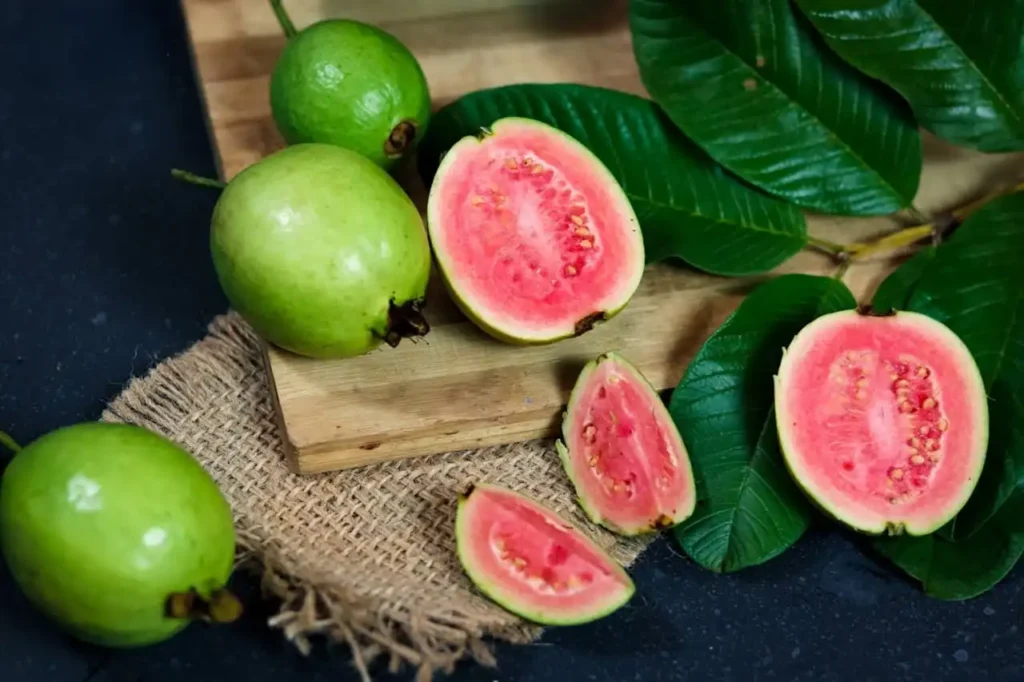
It started as a habit I was genuinely proud of. Every evening, somewhere between dinner and bed, I would reach for a ripe guava — sweet, satisfying, and infinitely better than the biscuits I used to eat at that hour. I felt like I was doing something right. Then, after a few weeks, I started noticing something was off. I was waking up bloated. My sleep felt lighter and more restless than usual. My stomach was making its feelings known at two in the morning, and I had absolutely no idea why.
It took me longer than I care to admit to connect the dots. But when I did — and when I actually looked into the science behind eating guava at night — I realised I had been completely misunderstanding what happens to this fruit inside your body after dark. This article is the honest answer I wish I had found sooner. Because eating guava at night is not dangerous, but it is far from neutral — and the difference between doing it right and doing it wrong plays out while you are sound asleep.
Table of Contents
Why the Timing of What You Eat Matters More Than You Think
How Your Digestive System Changes After Dark
Your body does not simply switch off at night — but it does switch modes. The circadian rhythm that governs your sleep-wake cycle also governs your digestive system, your metabolic rate, and your hormonal environment. And after around 8pm, the signals shift decisively toward rest and repair, not processing and absorption.
Digestive enzyme production slows. Gastric acid output decreases. Gut motility — the muscular contractions that move food through your digestive tract — becomes significantly less active. Research published in the Journal of Clinical Endocrinology & Metabolism confirms that the body’s caloric processing efficiency is measurably lower in the evening than in the morning, even when the food consumed is identical.
What this means in practice is that food eaten at night spends longer in the gut. And longer gut residence time means more fermentation, more gas production, and a greater opportunity for discomfort — especially from high-fibre foods.
Why Fibre-Rich Foods Are Specifically Harder to Digest at Night
This is where guava becomes particularly relevant. Guava is one of the most fibre-dense fruits you can eat. A single medium guava — approximately 100 grams — contains around 5.4 grams of dietary fibre. That is more fibre than most fruits and comparable to a portion of many legumes.
Fibre requires active digestive work: bacterial fermentation in the large intestine, enzyme activity in the small intestine, and coordinated muscular movement throughout the gut. At night, when all of these processes are running at reduced capacity, high-fibre foods become disproportionately challenging for your system to process efficiently.
I noticed this pattern before I specifically identified guava as the cause. Any fibre-heavy evening meal left me sleeping less deeply. But guava, eaten alone as a late snack, was the clearest trigger of all.
The Real Side Effects of Eating Guava at Night
I want to be honest about this section. Some of what I experienced, I initially dismissed. I blamed a bad night’s sleep on stress, on screen time, on everything except a piece of fruit. But the pattern was consistent, the research backed it up, and once I changed my habits, the symptoms disappeared. Here is what was actually happening.
Bloating and Excess Gas
This was the most immediate and unmistakable symptom. The fermentable fibre in guava — specifically the soluble fibre that feeds gut bacteria in the large intestine — produces gas as a byproduct of fermentation. That is a normal, healthy process during the day when your gut is moving things along efficiently.
At night, slowed gut motility means gas accumulates rather than passing through. The result is that familiar uncomfortable pressure and abdominal distension — the kind that makes lying flat feel genuinely unpleasant. I was waking up with a stomach that felt tight and inflated, and I had eaten nothing since a piece of fruit hours earlier.
If this sounds familiar to you, guava’s nighttime fibre fermentation is almost certainly the mechanism behind it.
Acid Reflux and Digestive Discomfort
Guava has a naturally mild acidic pH — approximately 3.5 to 4.0 — and contains naturally occurring fruit acids including ascorbic acid and citric acid. Under normal daytime conditions, these acids are well-tolerated and actually beneficial for digestion.
At night, the picture changes. Eating any mildly acidic food close to bedtime, then lying down, increases the risk of gastro-oesophageal reflux — stomach acid moving upward into the oesophagus. Guava compounds this because its high fibre content slows gastric emptying, meaning the stomach retains its contents longer and the acid environment is maintained for an extended period.
People with existing acid reflux or GERD are particularly vulnerable to this effect. It is also worth noting that drinking water immediately after guava can further worsen this digestive disruption by diluting digestive enzymes and slowing the already-sluggish nocturnal digestion process even further.
Blood Sugar Fluctuations and Disrupted Sleep
Guava contains approximately 8.9 grams of natural sugar per 100 grams. Its glycaemic index is relatively low compared to many fruits, which is one of the reasons it is often celebrated as a healthy choice for blood sugar management. But eating any sugar-containing food close to bedtime triggers a mild insulin response — and at night, that response plays out in an environment that is not designed to handle it.
The body prioritises restoration and repair during sleep. It is not running the same glucose regulation processes it operates during the day. A modest sugar intake at night can cause a brief energy spike followed by a reactive blood sugar dip — which may manifest as difficulty falling asleep, lighter sleep quality, or waking in the early hours feeling restless without knowing why.
I experienced this as a kind of wired-but-tired feeling in the first hour after eating guava at night. I did not connect it to blood sugar at the time. Looking back, the pattern is unmistakable.
Mucus Production and Respiratory Sensitivity
This is one of the lesser-known effects and one that genuinely surprised me when I researched it. Guava — particularly the skin and seeds — may stimulate mucus production in some individuals, especially those with existing respiratory sensitivities, seasonal allergies, or sinus conditions.
At night, increased mucus can contribute to nasal congestion, mild throat irritation, or subtly disrupted breathing during sleep. This is not a universal effect — it is more pronounced in people with pre-existing sensitivities — but it is worth knowing if you wake regularly with a blocked nose after an evening guava habit.
Reduced Nutrient Absorption
Here is the side effect that most people do not consider — and arguably the most quietly significant one. Vitamin C, one of guava’s most extraordinary nutrients (a single guava contains more Vitamin C than an orange, at approximately 228mg per 100g), is a water-soluble vitamin most effectively absorbed during periods of active metabolic function.
Eating guava at night, when metabolic rate is reduced and digestive activity is slower, means a meaningful portion of this nutritional value may be less efficiently absorbed. The same applies to B-vitamins, potassium, and folate. You may believe you are fuelling your body with an exceptional micronutrient source — but your body is less equipped to use it at that hour.
Who Is Most at Risk from Eating Guava at Night
Not everyone will experience these effects with equal intensity. Individual gut chemistry, existing health conditions, and portion size all influence how pronounced the response is. But certain groups are consistently more vulnerable.
People with IBS or a Sensitive Gut
High-fibre foods are a well-established trigger for irritable bowel syndrome flares. The slow nocturnal gut environment amplifies this risk significantly — guava eaten at night is far more likely to trigger cramping, loose stools, or painful bloating in IBS sufferers than the same portion eaten in the morning, when the gut is active and well-equipped to process fibre efficiently.
The role guava seeds play in digestive sensitivity is also worth understanding before eating the fruit regularly — particularly if you tend to swallow them whole, which adds a hard, difficult-to-process element to the already-challenging nocturnal fibre load.
People with Acid Reflux or GERD
If you experience heartburn regularly or have been diagnosed with gastro-oesophageal reflux disease, evening guava consumption is actively contraindicated. The combination of mild acidity, high fibre, slowed gastric emptying, and a horizontal sleeping position is a textbook recipe for reflux episodes. Morning consumption eliminates almost all of this risk.
People Managing Blood Sugar Levels
Individuals managing type 2 diabetes, insulin resistance, or pre-diabetic blood sugar patterns should be particularly mindful of consuming fruit with natural sugar content close to bedtime. While guava’s glycaemic index is moderate, the nocturnal hormonal environment is genuinely less equipped to regulate glucose — even the naturally occurring kind.
People Who Eat Guava in Large Quantities
One medium guava eaten two or more hours before bed is unlikely to cause serious problems in a healthy individual with no digestive sensitivities. The effects described above scale significantly with portion size. When I was experiencing symptoms, I was eating a full large guava — sometimes two — as a late-evening snack. Reducing to half a guava, eaten earlier in the evening, produced an immediate and noticeable improvement.
The Best Time to Eat Guava — and How to Keep It in Your Diet
I want to be clear: the goal of this article is not to put you off guava. It is one of the most nutritionally dense fruits available, and removing it from your diet entirely because of timing concerns would be a genuine loss. The answer is not elimination — it is intelligent timing.
I made the switch about three months ago. Guava moved from my evening routine to my morning one, and within a week the symptoms had completely resolved. I sleep better. My digestion feels cleaner. And I am genuinely getting more out of the fruit because my body is actually equipped to absorb it.
Morning Is the Optimal Window
The first half of the day — and particularly mid-morning on a settled stomach — is when your digestive system is at its most active and your metabolic rate is at its daily peak. Enzyme production is robust. Gut motility is efficient. The fibre in guava is processed smoothly, the Vitamin C is absorbed completely, and the natural sugars are metabolised without interfering with sleep hormones.
My current routine is half a guava with a small bowl of yoghurt at around 9am. The yoghurt provides probiotic support that helps the gut process the fibre even more efficiently, and the protein slows fructose absorption, preventing any blood sugar spike. It is a combination that feels genuinely nourishing rather than problematic.
Mid-Morning or Pre-Lunch Also Works Well
If mornings are rushed, the 10am to 12pm window is a strong second choice. You are still in the high-metabolic part of the day, digestion is active, and eating guava as a mid-morning snack paired with a small protein source — a few nuts, some cheese, a handful of seeds — manages the sugar and fibre delivery effectively.
If You Must Eat Guava at Night — Follow These Rules
- Eat at least 2–3 hours before bed — never immediately before lying down
- Keep the portion small — half a guava maximum, not a full fruit
- Remove or avoid the seeds at night — they add unnecessary digestive burden
- Do not drink water for 30–60 minutes after eating — it dilutes digestive enzymes
- Sit upright for at least an hour after eating — reduce reflux risk by not lying flat
The Nutritional Case for Keeping Guava in Your Life
Guava deserves its reputation as one of the most nutrient-rich fruits available. Understanding its side effects at night is not a reason to fear it — it is a reason to respect it and time it correctly.
- Vitamin C: 228mg per 100g — 254% of the daily recommended intake; supports immune function, skin health, and iron absorption
- Dietary fibre: 5.4g per 100g — supports gut health, cholesterol management, and satiety
- Potassium: 417mg per 100g — supports blood pressure regulation and cardiovascular health
- Folate: 49mcg per 100g — essential for cell division and particularly important during pregnancy
- Lycopene — the same powerful antioxidant found in tomatoes; linked to reduced cardiovascular disease risk
- Quercetin and kaempferol — anti-inflammatory flavonoids studied for their role in metabolic health and cellular protection
Eating this fruit at the right time means you access all of this. Eating it at the wrong time means you get the digestive downside with a fraction of the nutritional benefit. The choice, once you understand the mechanism, is straightforward.
Frequently Asked Questions
What are the side effects of eating guava at night?
Eating guava at night can cause bloating, excess gas, acid reflux, mild blood sugar fluctuations, disrupted sleep, and reduced nutrient absorption. These effects occur because the body’s digestive rate slows significantly after dark, making high-fibre, mildly acidic fruits harder to process efficiently before bed.
Is eating guava at night bad for you?
It is not dangerous for most healthy people, but it is suboptimal. The high dietary fibre in guava is more likely to cause fermentation and bloating when eaten at night. For people with IBS, acid reflux, or blood sugar sensitivity, eating guava at night can meaningfully worsen symptoms. Eating it in the morning delivers the same nutrition with far fewer side effects.
Can eating guava at night affect your sleep?
Yes. The natural sugars in guava can trigger a mild blood sugar fluctuation that disrupts sleep quality. The gas and bloating produced by nighttime fibre fermentation also makes it harder to fall and stay asleep. Eating guava at least 2–3 hours before bed significantly reduces this risk.
What is the best time to eat guava?
Morning is the best time. Digestive enzyme activity and metabolic rate are highest in the first half of the day, which means the fibre is processed efficiently, the Vitamin C is absorbed completely, and the natural sugars are metabolised without disrupting sleep or hormonal balance.
Can I eat guava at night if I have acid reflux?
No. If you have acid reflux or GERD, eating guava at night is particularly inadvisable. Guava is mildly acidic and its high fibre content slows gastric emptying. Combined with lying down after eating, this creates conditions that actively promote reflux episodes. Eat guava in the morning or early afternoon instead.
The Bottom Line — Guava Is Brilliant, Just Not After Dark
I think back to those restless nights and the bloated, uncomfortable mornings that followed — and I genuinely wish I had understood what I now know. I had not made a bad food choice. I had made a bad timing choice. That is a very different thing, and it has a very simple solution.
Guava eaten in the morning is one of the most nourishing habits you can build into your routine. It delivers extraordinary Vitamin C, meaningful fibre, anti-inflammatory compounds, and cardiovascular support — and your body is fully equipped to absorb and use every bit of it.
Guava eaten late at night asks your body to do significant digestive work during a period designed for rest. The result is fermentation, gas, disrupted sleep, and a fraction of the nutritional return.
Move it to the morning. Your gut will thank you within a week.
Pure Vitality Tips — honest health content, researched with care, written for you.
Medical Disclaimer:
This article is for informational purposes only and does not constitute medical advice. If you experience persistent digestive symptoms or sleep disruption, please consult your GP or a qualified healthcare professional.
Ahaa, its fastidious dialogue concerning this paragraph at this place at this web site,
I have read all that, so at this time me also commenting
here.
Wonderful items from you, man. I’ve be aware your stuff previous to and you are just too fantastic.
I actually like what you have bought right here, certainly like what you are
stating and the best way through which you assert it.
You’re making it enjoyable and you still care for to keep
it wise. I cant wait to learn much more from you.
That is really a great website.
Fantastic goods from you, man. I have understand your stuff
previous to and you are just extremely excellent. I actually like what you’ve got here, certainly
like what you’re saying and the best way wherein you assert it.
You are making it enjoyable and you still take care of to stay it smart.
I can’t wait to read much more from you. That is really a great site.
Marvelous, what a blog it is! This web site gives valuable
data to us, keep it up.
Hello There. I discovered your weblog the usage of msn. This is a really smartly written article.
I will be sure to bookmark it and come back to learn extra of your useful info.
Thanks for the post. I will certainly comeback.
Heya i am for the first time here. I found this board and I find It
truly helpful & it helped me out a lot. I hope to provide one thing back and aid others like you aided me.
Hey there! I’ve been reading your blog for a long time
now and finally got the courage to go ahead and give you a shout out from Humble Tx!
Just wanted to tell you keep up the great work!
Hi all, here every one is sharing these kinds of knowledge,
thus it’s fastidious to read this website, and I used to go to see
this blog every day.
If you wish for to get a good deal from this paragraph then you have to apply these techniques to your won web site.
I am regular visitor, how are you everybody? This post posted at this web site is in fact pleasant.
When someone writes an article he/she retains
the image of a user in his/her mind that how a user can be aware
of it. Thus that’s why this post is outstdanding. Thanks!
Hi just wanted to give you a brief heads up and let you
know a few of the pictures aren’t loading correctly. I’m not sure why but I think its a linking
issue. I’ve tried it in two different internet browsers and both show the same outcome.
WOW just what I was searching for. Came here by searching for bokep anak
This is a good tip especially to those new to the blogosphere.
Simple but very accurate information… Many thanks for sharing this one.
A must read post!
Superb post but I was wondering if you could write a litte more on this subject?
I’d be very grateful if you could elaborate a little bit further.
Cheers!
Wow, that’s what I was searching for, what a
data! present here at this webpage, thanks admin of this
website.
Good replies in return of this difficulty with firm arguments and explaining everything about that.
My brother suggested I might like this blog. He was entirely
right. This post truly made my day. You can not imagine just how much time I had spent
for this info! Thanks!
Hello there, You have done a great job. I’ll certainly digg it and personally recommend to my friends.
I am sure they will be benefited from this website.
There is definately a great deal to learn about this topic.
I really like all of the points you’ve made.
What’s up to all, how is the whole thing, I think every one is getting more from this web page, and your views are good for new users.
Woah! I’m really enjoying the template/theme of this blog.
It’s simple, yet effective. A lot of times it’s difficult to get that
“perfect balance” between user friendliness and visual appearance.
I must say you have done a excellent job with this. Also,
the blog loads extremely quick for me on Internet explorer.
Superb Blog!
I do consider all the concepts you have presented on your
post. They’re very convincing and can definitely work.
Nonetheless, the posts are very brief for beginners.
Could you please lengthen them a little from next time?
Thanks for the post.
Hi! Do you know if they make any plugins to assist with
Search Engine Optimization? I’m trying to get my blog to rank for some targeted keywords but I’m not seeing very good success.
If you know of any please share. Cheers!
Appreciating the commitment you put into your website and in depth information you offer.
It’s nice to come across a blog every once in a while that isn’t the same outdated rehashed information. Fantastic read!
I’ve bookmarked your site and I’m adding your RSS feeds to my Google account.
What a material of un-ambiguity and preserveness of precious experience
on the topic of unexpected emotions.
Excellent web site you have got here.. It’s hard to find good quality writing like yours nowadays.
I truly appreciate people like you! Take care!!
Wonderful blog! I found it while browsing on Yahoo News.
Do you have any tips on how to get listed
in Yahoo News? I’ve been trying for a while but I never seem
to get there! Thanks
Excellent beat ! I wish to apprentice while you amend your website, how could i subscribe for a blog site?
The account aided me a acceptable deal. I had been tiny bit acquainted of this your broadcast provided bright clear
idea
Hi to all, how is everything, I think every one is getting more from this
web page, and your views are nice for new viewers.
It’s remarkable to go to see this web site and reading the views of all colleagues concerning this paragraph,
while I am also keen of getting familiarity.
What’s up colleagues, how is the whole thing, and what you wish for to say on the
topic of this piece of writing, in my view its actually amazing in favor of me.
I really like your blog.. very nice colors & theme.
Did you make this website yourself or did you hire someone to
do it for you? Plz reply as I’m looking to design my
own blog and would like to know where u got this from. thank
you