But Only If You Do This First
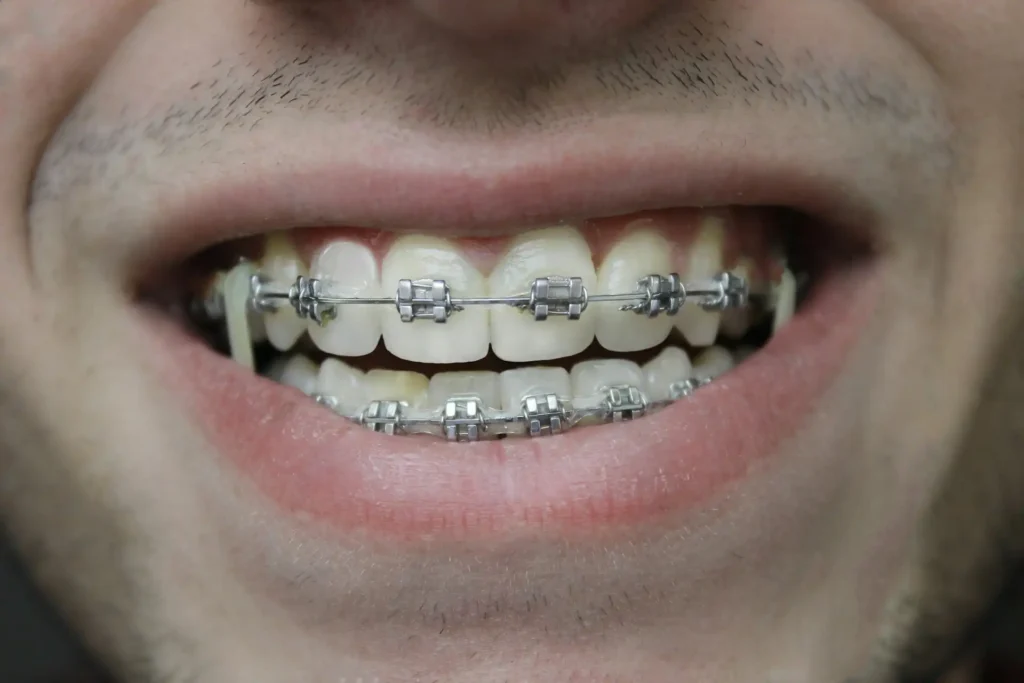
The day I got braces, the orthodontist handed me a printed list of foods to avoid. Popcorn. Hard sweets. Nuts. Chewy bread. I read through the whole thing twice. And then I stood in my kitchen that evening, holding a bunch of grapes, genuinely unsure whether they were safe. They were not hard like an apple. They were not sticky like toffee. But they were round, they had skin, and nobody had specifically said yes or no.
That confusion is exactly why I am writing this. Because after researching this properly — the way I research every health topic I cover — I found that most people who ask whether they can eat grapes with braces are making their decision based on vague fear rather than actual information. The answer is yes. You absolutely can eat grapes with braces. But how you prepare and eat them makes the difference between a safe, enjoyable experience and a bracket-popping, plaque-trapping problem. Here is everything you need to know.
Table of Contents
Why Grapes Feel Risky with Braces — and Why Most People Avoid Them Unnecessarily
The Texture Problem People Misunderstand
Grapes are not hard fruit. They are not in the same risk category as biting into a raw apple or crunching a handful of ice. A grape yields easily under pressure. The flesh is soft, water-rich, and gives way with almost no resistance.
The confusion comes from lumping all fruit together under a single caution. Orthodontists — quite reasonably — warn against hard and crunchy foods, and fruit can feel like an ambiguous category. But a grape is fundamentally different from an apple in terms of the mechanical forces it places on brackets and wires.
What actually creates risk with grapes is not the flesh. It is three specific things: biting into a whole grape with your front teeth, the sugar content pooling around brackets, and grape skin occasionally snagging on a wire. None of these are problems that cannot be solved.
What Orthodontists Actually Worry About
When an orthodontist tells you to avoid certain foods, the concern falls into two categories: physical damage and oral hygiene risk.
Physical damage means bracket dislodgement or wire bending. This happens when hard or sticky foods create concentrated, unpredictable force at a specific point on the brace structure. Think biting into a hard-crusted baguette with your front teeth, or pulling at chewy sweets that grip the wire.
Oral hygiene risk means sugar or food debris accumulating around brackets and wires where a toothbrush cannot easily reach. Over time, this leads to enamel damage — specifically white spot lesions — that become visible after the braces are removed.
When I dug into this properly, I found that grapes sit almost entirely in the second category, not the first. The physical damage risk from a halved seedless grape is very low. The hygiene risk is real — but entirely manageable with the right cleaning routine. That reframing changes the whole question.
The Safe Way to Eat Grapes with Braces
These are not complicated adjustments. They take seconds and remove the vast majority of the risk.
Always Cut Grapes in Half First
This is the single most important step, and it is non-negotiable. When you bite into a whole grape with your front teeth, you create an unpredictable, rolling pressure point directly on the bracket. The grape is round, it moves slightly, and the force concentrates unevenly on the bracket bond.
Cutting each grape in half eliminates this entirely. You place the flat cut surface against your molars — your back teeth — and apply a flat, controlled chew that exerts no lateral stress on wires and no concentrated pressure on front brackets.
I know it seems overly cautious. But I tried both approaches and the difference in sensation is immediately noticeable. The halved grape simply disappears without effort. The whole grape creates a moment of pressure you can feel.
Choose Seedless Grapes Every Single Time
Grape seeds are small but genuinely hard. In the context of a soft food, they create sudden unexpected pressure points. If a seed catches between a bracket and a molar, it can exert localised force that strains the bracket adhesive.
Seedless red or green grapes are widely available and are the only sensible choice during orthodontic treatment. Red seedless grapes tend to have slightly thinner skins, which also reduces the chance of skin catching on a wire.
Serve at Room Temperature, Not Straight from the Fridge
Cold grapes are noticeably firmer. The cell walls contract slightly at lower temperatures and the flesh becomes more resistant. A grape that yields softly at room temperature can feel more rigid and require slightly more biting force when it is cold from the refrigerator.
This is a small change but a meaningful one. I started taking grapes out of the fridge about twenty minutes before eating and the difference in texture was immediately obvious. Room temperature fruit is kinder on brackets and wires across the board — not just grapes.
Keep Portions Sensible
Eight to twelve grapes per sitting is a practical guideline during brace treatment. This limits both the cumulative chewing load on your orthodontic hardware and the sugar exposure window for the enamel around your brackets.
Interestingly, this portion guidance applies beyond braces too. As I wrote when covering how large portions of grapes can trigger digestive discomfort, the fructose content in grapes is dose-dependent — smaller, mindful portions protect both your gut and your teeth.
The Bigger Risk Nobody Talks About — Sugar, Brackets, and White Spot Lesions
I want to spend time on this because it is genuinely important and almost no general food advice for people with braces covers it with the depth it deserves.
The question of whether you can eat grapes with braces is not really about whether grapes will break your brackets. Prepared correctly, they will not. The real question is whether you are cleaning your braces thoroughly enough after eating them. That distinction matters enormously.
Why Sugar Around Brackets Is a Serious Problem
Grapes contain approximately 15 to 16 grams of natural sugar per 100 grams. That is not an extreme amount, but in the context of braces, the structural complexity of brackets and wires creates dozens of additional surfaces, crevices, and microenvironments where sugar-laden grape juice can sit.
When sugar pools around brackets, plaque bacteria feed on it and produce lactic acid as a byproduct. That acid begins dissolving the mineral content of the enamel — a process called demineralisation. Around bracket bases, this happens faster because the area is harder to clean, and the acid sits against the enamel surface for longer.
The result is white spot lesions: chalky white patches on the tooth surface that appear around the former bracket positions after braces are removed. According to NHS orthodontic guidance, white spot lesions are the single most common aesthetic complication of orthodontic treatment — and they are largely preventable.
What White Spot Lesions Look Like and Why They Are Hard to Reverse
A white spot lesion appears as a dull, opaque, whitish patch on the tooth surface. It does not look like healthy enamel, which has a natural translucency. The patch is caused by subsurface enamel that has lost its mineral density — the outer surface may appear intact but the structure beneath is compromised.
These lesions are difficult and expensive to treat once established. Options include fluoride remineralisation therapy, microabrasion, or resin infiltration — none of which are straightforward or cheap. The far better approach is never to develop them in the first place.
I found this genuinely alarming when I first read about it. The connection between fruit sugar, poor cleaning around braces, and irreversible enamel damage is not something most people are warned about clearly enough.
How to Clean Properly After Eating Grapes with Braces
The cleaning routine is where the risk is actually managed. Here is exactly what I recommend based on the evidence:
- Rinse immediately: drink a glass of water or swish water around your mouth straight after eating grapes. This dilutes and clears the majority of the sugar before it can interact with enamel.
- Wait 30 minutes before brushing: fruit acids temporarily soften enamel. Brushing within 30 minutes of eating fruit drives that acid further into the enamel surface rather than removing it. Wait, then brush.
- Use an interdental brush: a standard toothbrush cannot reach the crevices around bracket bases. A small interdental brush — the type designed for brace cleaning — removes grape residue and plaque from around each bracket individually.
- Fluoride toothpaste every time: fluoride actively remineralises enamel. Using a fluoride toothpaste twice daily is essential during orthodontic treatment, not optional.
- Fluoride mouthwash daily: a fluoride rinse used after brushing adds an additional remineralising layer of protection. This is particularly important if you eat fruit regularly.
I built this routine into my daily habits and it became automatic within two weeks. The interdental brush step adds maybe ninety seconds to the process. That ninety seconds is protecting your enamel from permanent damage.
Grapes vs Other Fruits — A Practical Guide for People with Braces
One of the most useful things I did was build a clear mental framework for fruit during orthodontic treatment. Here is what that looks like in practice.
Fruits That Work Well with Braces
- Halved seedless grapes ✅ — soft, manageable, nutritious when prepared correctly
- Blueberries ✅ — small, soft, low impact; high in antioxidants
- Banana ✅ — one of the best braces-friendly fruits; no chewing force required
- Soft melon chunks ✅ — honeydew, cantaloupe; naturally soft and easy to eat in small pieces
- Peach slices ✅ — ripe peaches are extremely soft; slice away from the skin
- Kiwi ✅ — scooped from the skin with a spoon, it requires no significant biting force
Fruits to Avoid or Heavily Modify
- Whole apples ❌ — biting into a whole apple is one of the most common causes of bracket dislodgement; slice thinly instead
- Pineapple ⚠️ — highly acidic; eat in small amounts and rinse immediately; the acid is more of a concern than the texture
- Dried fruit and raisins ❌ — extremely sticky, very high sugar concentration, clings to brackets; avoid entirely during treatment
- Citrus fruit ⚠️ — oranges and grapefruit are fine in moderate amounts but rinse well after; the acid is the concern, not the texture
- Mango (unripe) ❌ — firm and fibrous; ripe mango in small soft pieces is fine
The pattern across all of these is consistent: it is the combination of hardness, stickiness, and sugar that creates risk. Grapes, prepared correctly, avoid all three. For more on how fruit sugar interacts with the gut — a related concern for people adjusting their diet — I covered the gut bacteria that govern your digestion and how fruit fits into a healthy gut routine in a separate piece worth reading alongside this one.
The Nutritional Case for Keeping Grapes in Your Diet During Treatment
Orthodontic treatment typically lasts between eighteen months and three years. That is a long time to remove healthy foods from your diet unnecessarily. And the health cost of over-restriction is real.
Grapes provide Vitamin C, Vitamin K, potassium, and the polyphenol resveratrol. During orthodontic treatment, Vitamin C is particularly relevant — it supports the periodontal ligament, the tissue that connects your teeth to the supporting bone, which is under active stress as teeth move. A Vitamin C deficiency during this period can slow treatment progress and impair gum health.
Potassium supports healthy bone density — relevant when your jaw bone is actively remodelling around moving teeth. Resveratrol has anti-inflammatory properties, and low-grade inflammation in the gum tissue around braces is extremely common.
Removing grapes because of a vague fear of damage, when they are one of the most nutritionally relevant fruits for someone undergoing orthodontic treatment, is not a health decision. It is an uninformed one. Prepared correctly and eaten mindfully, grapes are genuinely beneficial during this period — not just tolerable.
What Your Orthodontist Probably Did Not Tell You
Orthodontists are skilled clinicians with deep expertise in tooth movement, jaw mechanics, and brace mechanics. They are not nutritionists, and the food advice they give — while well-intentioned — is necessarily general.
The blanket instruction to avoid all fruit with skin, or all round fruit, or all fruit with seeds, is a conservative catch-all designed to prevent the worst-case scenario for the most careless patient. It is not a personalised, evidence-calibrated nutritional recommendation.
What your orthodontist is genuinely right about: anything that requires biting with front teeth, anything sticky, anything hard enough to create sudden concentrated force, and anything you would eat carelessly without cleaning up afterwards.
Grapes — halved, seedless, room temperature, eaten with back teeth, followed by a proper cleaning routine — do not belong on that list. The fear is understandable. The restriction is unnecessary.
I say this as someone who takes both the science and the clinical guidance seriously. The gap is not between patients and orthodontists — it is between a general warning and the specific, practical, evidence-informed answer that people actually need. That is the gap I try to fill on this site.
Frequently Asked Questions
Can you eat grapes with braces?
Yes. Cut them in half, choose seedless varieties, and eat them with your back teeth rather than biting with your front brackets. Clean your braces carefully afterwards to prevent sugar from accumulating around the bracket bases.
Do grapes damage braces?
Whole grapes bitten with the front teeth can dislodge a bracket by applying uneven pressure. Halved seedless grapes eaten with the molars pose very little physical risk. The main concern with grapes and braces is sugar accumulation around brackets, not mechanical damage.
What fruits can you safely eat with braces?
Soft fruits in small pieces are generally safe: halved seedless grapes, blueberries, banana, melon, ripe peach slices, and kiwi. Avoid whole apples, dried fruit, raisins, and very firm or sticky fruits. Slice and prepare any fruit before eating it.
How do you clean your teeth after eating grapes with braces?
Rinse your mouth with water immediately after eating. Wait 30 minutes before brushing — fruit acid temporarily softens enamel and brushing too soon increases wear. Use an interdental brush to clear residue from around each bracket, then brush with fluoride toothpaste. Use fluoride mouthwash daily.
Are grapes sticky for braces?
Grape flesh is not sticky in the way toffee or dried fruit is and does not cling to brackets. The sugary juice can pool around brackets if not cleaned away. Grape skin can occasionally catch on wires. Halving the grapes and cleaning thoroughly afterwards removes both of these concerns.
The Bottom Line
I am back in that kitchen. Holding the grapes. And this time I know exactly what to do. I cut them in half. I eat them with my back teeth. I drink a glass of water afterwards. I wait thirty minutes and clean properly. That is it.
The fear that kept me — and keeps so many people — from eating nutritious fruit during orthodontic treatment is not based on a proper understanding of the actual risk. The risk is not the grape. The risk is how you eat it and whether you clean up after.
Prepare them correctly. Keep portions sensible. Build the cleaning habit. And enjoy them — because your teeth need the Vitamin C, your gum tissue needs the anti-inflammatory support, and your diet needs the fruit. Three years is a long time to be needlessly restrictive.
Pure Vitality Tips — honest health content, researched with care, written for you.
Medical Disclaimer: This article is for informational and educational purposes only. It does not constitute dental or medical advice. Consult your orthodontist or dental professional regarding your specific treatment.
1 thought on “Yes, You Can Eat Grapes with Braces”