Here’s What the Science Actually Says
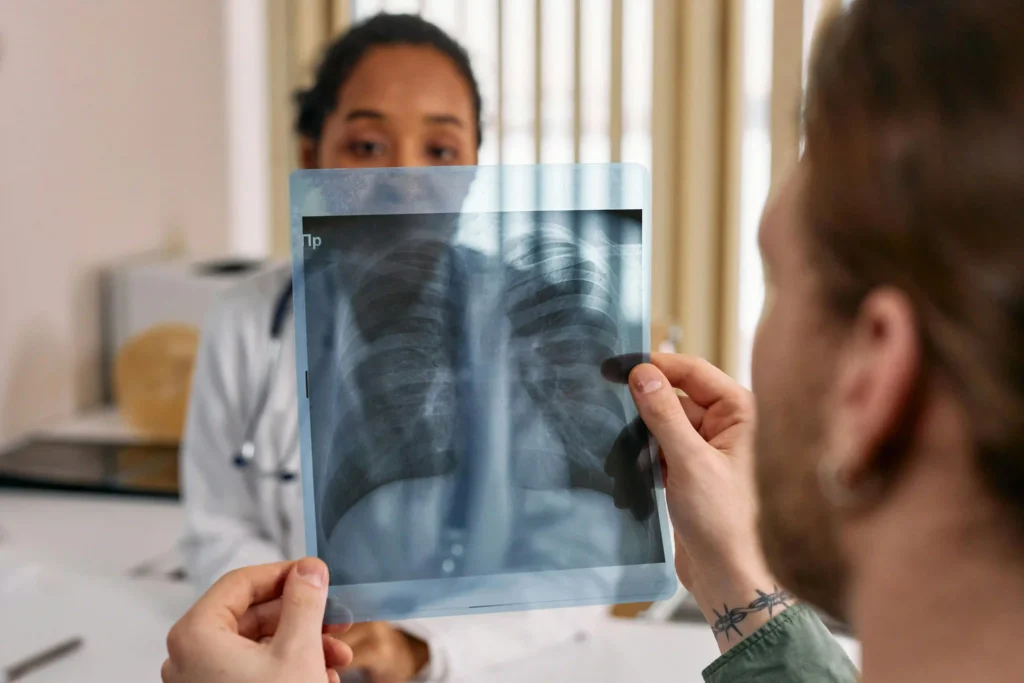
For 11 days my uncle was in hospital with bacterial pneumonia. On arrival at home he was weak, unable to walk without help and did not eat well. His hunger had virtually ceased — something very good for his family to know, as they soon discovered, is his most dangerous thing about recovering from a bad respiratory illness. Every meal matters. Every nutrient counts.
I came to him after his third day off and he was sitting, with a banana in his hands, and he looked a little confused. Only he had just been told by his aunt not to eat it. She said that it will cause more mucus to build up, as if she had heard this her entire life. When the lungs are bad, it’s impossible to eat cold fruit.
He placed the banana on the ground. I once again came up against the fence of strong custom and fact. The same question I had posed regarding coughs and colds but on a more serious level. Not all pneumonia is caused by a cold. A serious inflammatory infection of the lung tissue and true nutritional requirements that can impact recovery.
This article is what I found when I started researching the science specifically on pneumonia and not just coughs, or even just general illness, but pneumonia. The answer matters.
⚠️ Important before we begin
Pneumonia is a serious medical condition requiring professional diagnosis and treatment. This article is nutritional guidance to support recovery — it does not replace your doctor’s advice, your antibiotics, or any prescribed treatment plan. Always follow your healthcare provider’s instructions first.
Table of Contents
What Pneumonia Does to the Body — Why Every Nutrient Matters
First, you should know how a pneumonia impacts the nutritional requirements of the body before you understand why a banana is important in pneumonia.
Pneumonia is an infection—whether bacterial, viral, or fungal—of the air sacs in one or both lungs that results in fluid or pus building up in the air sacs. The immune system’s reaction to the infection is intense and costly. It’s not a surface wound, the body just fixes on its own. It is a systemic inflammatory reaction that involves the mobilization of nutrition resources in the body.
For every degree rise in temperature, metabolic rate rises by about 7% (for 100F, it’s about 14%). The immune system is operating at peak efficiency and has an exponentially greater need for vitamin C, vitamin D, zinc, vitamin B6, protein and antioxidants. Pneumonia’s inflammation uses these nutrients more quickly than they would be replenished on an average day.
But now comes the sad irony of serious illness: when the body is most in need of more food than at any other time of a person’s life, the appetite goes away. Nausea, tiredness, chest discomfort and the effort of breathing make eating seem like an impossible task. The patient who has the greatest nutrient requirement is the patient who cannot eat it.
Now the question ‘can I eat banana in pneumonia’ makes sense. Not just a passing fancy. It is a person who’s striving to determine what foods are easy to eat, safe to eat, and significant enough in the nutrition department to make it worth their while.
📊 Research finding
A 2022 study published in Nutrients journal (Northwestern University) analysing 470,853 participants found that higher fruit consumption at baseline was significantly associated with reduced pneumonia risk and better outcomes. Bananas are a fruit. The connection between dietary fruit intake and pneumonia outcomes is not theoretical — it is evidenced.
“Nutrition during pneumonia is not a comfort measure. It is a clinical variable. What the patient eats during recovery directly influences the speed and completeness of that recovery.”
What’s in a Banana — The Nutrients That Matter During Pneumonia
Let’s take a quick look at the nutrition facts of bananas before diving into the details.
| Nutrient (per 100g) | Amount | Relevance during pneumonia |
| Calories | 89 kcal | Gentle energy without digestive burden |
| Vitamin B6 | 0.37mg (~22% RDA) | White blood cell + antibody production |
| Vitamin C | 8.7mg (~10% RDA) | Antioxidant protection for inflamed lung tissue |
| Potassium | 422mg (~12% RDA) | Replaces electrolytes lost through fever and sweating |
| Pectin fibre | ~2.6g | Prebiotic — supports gut-lung immune axis |
| Magnesium | 27mg | Supports muscle function and nervous system during illness |
| Natural sugars | 12–14g | Fast, accessible energy — low digestive cost |
The B6 content is particular of interest in the case of pneumonia. Vitamin B6 plays a crucial role in the generation of white blood cells, such as T lymphocytes and natural killer cells, and in the production of antibody. When the immune system is active (during infection), it requires more B6 than normal. A ripe medium banana provides about 1/4 of the B6 needs of an adult. A banana that contains 25% of a very important immune nutrient for a patient with pneumonia in one convenient snack, well, that’s a big deal.
The potassium story is also significant, but not well known. Fever causes sweating which depletes potassium. Increased insensible fluid and electrolyte loss due to rapid breathing, a key symptom of pneumonia. In severe cases of illness, low potassium levels are one of the factors that causes the profound weakness, fatigue and cardiovascular stress associated with pneumonia. One of the easiest foods to eat that is rich in potassium is the banana.
The pectin fibre in bananas also qualifies for this list based on one thing that most people don’t know about – the gut-lung immune axis. It has been established that around 70-80% of the immune system is located around the gut and gut microbiome health directly affects immune responses in the lungs when there is a respiratory infection. The relationship between the gut and immunity that was discussed in the article on foods your gut is begging you to eat is particularly relevant to pneumonia — the beneficial bacteria in your gut can help with the immune response occurring in your lungs, the places where pneumonia occurs.
5 Reasons Bananas Are a Good Food During Pneumonia Recovery
REASON 1 Easy to Eat When Appetite Has Disappeared
On returning home from hospital, my uncle was able to eat some warm soup, some plain toast and fruit. It was a daunting task to make and eat a healthy meal. A banana didn’t need to be cooked, prepared, or minced. This practical aspect is as crucial as the nutritional value to any patient recovering from a severe illness.
The patients with pneumonia, who can barely lift their arms, who is getting short of breath, who wants to vomit — these patients require real easy-to-eat food. One of the few foods that do meet that requirement, and in the case of bananas, provide meaningful nutrition.
REASON 2 Gentle on a Stressed Digestive System
In a severe infection, the body actually sends the blood and resources away from the digestive system and to the immune system. When the digestive system is not working, it’s not working when you need it to work. Bananas are one of the easiest digestions foods there is, low in fat, moderate in simple fibre, and will not cause nausea, bloating or discomfort even when the gut is stressed.
That is why bananas are a part of a medically approved “BRAT” diet for gastrointestinal illness, which is Bananas, Rice, Applesauce, Toast. They also have a mild digestive action and are suitable for any serious disease that might weaken the digestive system.
REASON 3 Replaces Fever-Depleted Potassium and Electrolytes
During pneumonia, potassium depletion is a clinically important issue, especially in those who have a high fever, a lot of sweating or have been ill for a long time. Electrolyte depletion which is not completely replaced during the acute phase of pneumonia, is partly responsible for the muscle weakness and fatigue which continues well into the convalescent period.
The banana gives an adequate amount of potassium (around 422mg) which is significant if the patient is not eating a normal meal. In addition to proper hydration, eating bananas on a regular basis is one of the easiest and most overlooked causes of extended recovery from pneumonia.
REASON 4 Supports Immune Function Through Vitamin B6
Vitamin B6 deficiency has been linked to defects in the immune system, such as a decrease in T-cell function and antibody production. In the acute phase of pneumonia – while the body is under its full stress – regular B6 supplementation is beneficial, but not a substitute for the medical treatment.
When a patient eats a minimum amount, a banana that offers 22% of the daily B6 requirement in one bite is a very useful dietary stepping stone in creating a nutritional base to aid in recovery. It does no cure pneumonia. Nothing dietary does. However, it feeds a system that provides resistance to infection.
REASON 5 Supports the Gut-Lung Immune Connection
This is the good thing about this that most of the articles I read on this topic are missing of this. Flavonoids, prebiotic fibres and nutrients that have effects on the microbiome all affect inflammation and immunity directly during pulmonary infections, according to research published in Frontiers in Nutrition. The gut-lung axis (two-way communication between gut microbiome health and lung immune function) has now been established as a key research focus in respiratory medicine.
This system is further supported by the beneficial gut bacteria that are supported by Banana’s pectin fibre. It’s an incremental and achievable part of the immune system that’s a very helpful component in quick and full recovery from pneumonia.
When to Be Careful — The Honest Caveats About Bananas in Pneumonia
My aunt did not lie: She was putting the right worry in the wrong place. Here are the true warnings, plainly put.
Temperature, not the fruit itself
Some people might find that cold foods, including cold bananas, temporarily make it more viscous and cause congestion of mucus to feel more severe. This is a thermal effect and not a nutritional effect. The banana isn’t giving off any more mucus. The airways are reacting to the cold temperature and this is being felt as congestion.
The answer is simple: always consume bananas at room temperature during pneumonia. Remove from refrigerator 30 minutes before consuming. Don’t make cold banana smoothies, banana blended with cold milk or anything with ice. This takes away the main worry and still leaves the same nutritional value.
Diabetic patients — specific caution
Blood glucose control in the context of a serious illness such as pneumonia for patients with diabetes is a complicated clinical issue. In this context, bananas have a natural sugar content. For a patient with diabetes, or for you if you are a person with diabetes, ask your treating medical doctor about the amount of fruit to be consumed, not taking general advice.
Bananas cannot replace a recovery diet
That is a message that needs to be repeated: Eating bananas isn’t the only part of a recovery nutrition plan. They don’t replace proper protein, vitamin D, zinc, fluid and all of the nutrients needed to recover from a severe respiratory infection. A banana, eaten for the purpose of ‘comfort’ and without anything else, is not a nutritional plan.
How to Eat Bananas During Pneumonia — The Right Way and Best Combinations
The practical guidance, applied:
| Combination | Why it helps during pneumonia | Best form |
| Banana + raw honey | Honey’s antibacterial + banana’s B6 + potassium = immune support + electrolyte replacement | Mash banana, drizzle raw honey. Room temperature. |
| Banana + warm oats | Slow-release energy + fibre + warmth — a complete gentle meal when appetite is minimal | Warm porridge with sliced ripe banana stirred in |
| Banana + ginger tea | Gingerol reduces lung inflammation; banana provides energy and nutrients | Eat banana alongside a cup of fresh ginger tea |
| Banana + plain yogurt (room temp) | Probiotic + prebiotic combination directly supports gut-lung immune axis | Room-temperature plain Greek yogurt, small portion |
The pairing of the honeys is worthy of special mention. The hydrogen peroxide and high osmolarity of raw honey have been shown to have antibacterial properties. It is one of the few dietary supplements that have proved to have a beneficial effect during colds, other than providing calories. Mashed banana with a drizzle of raw honey is one of the easiest sick day foods to make for pneumonia sufferers who can barely eat.
Complete Pneumonia Recovery Nutrition — What Else Matters
Bananas can be incorporated into a wider recovery nutrition plan. Here are the evidence-based recommendations for pneumonia alone.
Foods that support pneumonia recovery
- Chicken soup: Zinc from the chicken, warmth, hydration and anti-inflammatory compounds from the broth. It is one of the most supported traditional foods by evidence that is used for sick day among cultures.
- Oily fish (salmon, sardines): omega 3 fatty acids decrease the inflammatory cytokines that contribute to lung damage. Oily fish particularly have a high concentration of vitamin D, and this vitamin is particularly known to be linked to the lessening of pneumonia severity. According to the results of the Frontiers in Nutrition research, vitamin D deficiency is highly associated with the outcomes of severe pneumonia.
- Garlic: Allicin has antiviral and antibacterial properties demonstrated. Small quantities can make a difference in soups and foods.
- Eggs: A whole protein source for immune cells, tissue repair. B12 and B6. Simple to make, when energy is low, in scrambled, boiled forms.
- Citrus fruits, kiwi: Vitamin C — is a potent antioxidant that helps prevent the inflammatory damage to lung tissue due to the immune response. Kiwi has the highest content of Vitamin C of any common fruit—it has more per gram than any other.
Of course, for the full list of foods to help bolster immunity before and after a respiratory illness, the article on 15 foods to support immune function gives an overview of garlic, ginger, salmon, yogurt and 12 other notable foods that are useful during and after pneumonia with the immune mechanisms for each — and this is directly relevant to recovery from pneumonia.
Hydration — the highest priority of all
Patients with pneumonia are at a significant risk of dehydration because they sweat, breathe faster leading to fluid loss through insensible ways and they do not eat as much as they should due to appetite loss. Dehydration worsening the production of mucus during pneumonia and the mucociliary clearance system (self-cleaning system of the lungs) reduces the efficiency of the immune response.
Warm fluids such as water, herbal teas, clear broths and diluted fruit juices should be taken regularly during the day. At least 8-10 cups. Warm fluids are better than cold ones for the reasons that room temperature bananas are better than cold ones: to ease the airways and encourage the mucociliary function.
Vitamin D — the most underappreciated pneumonia nutrient
There is now substantial and consistent research on the effects of vitamin D on respiratory infection outcomes. Vitamin D deficiency has been linked to enhanced disease severity of pneumonia and diminished immune response to pulmonary pathogens. Rehabilitation supplementation might be clinically relevant — contact your own doctor about this. The full story of the amazing effects of this nutrient on the body is detailed in the article, why scientists are calling vitamin D the closest anti-ageing pill.
Foods to avoid during pneumonia
- Alcohol: Directly weakens the immune system and is incredibly dehydrating. Do not use during illness and recovery.
- Ultra-processed foods: Induce systemic inflammation which exacerbates the inflammatory immune response that is already harming lung tissue.
- Fried and fatty foods: Divert energy from immune function to digestion. Do not use during the acute stage.
- Cold food and cold drinks: Although cold food and cold drinks may not be harmful by themselves, in most cases of respiratory conditions they can aggravate the mucus viscosity and irritation of the airways.
Quick Reference — Bananas in Pneumonia
| ✅ When bananas help in pneumonia | ⚠️ When to be more careful |
| Room temperature, ripe banana | Cold banana straight from fridge — worsens mucus perception |
| When appetite is minimal — easy to eat | Cold banana smoothie with dairy during acute illness |
| During fever — replaces potassium + electrolytes | Diabetic patients — discuss fruit intake with doctor |
| Paired with honey, oats, ginger tea | As a substitute for proper meals and medical treatment |
| 1–2 per day as part of recovery nutrition | Unripe green bananas — harder to digest when ill |
The Verdict — Yes, Give Them the Banana
So my uncle finally consumed the banana. With honey. At room temperature. He also had a cup of ginger tea made by his wife, which became his one food habit during his convalescence.
Would the banana heal his pneumonia? Of course not. It was his antibiotics, his rest, his medical follow-up and his gradual transition back to normal eating over two weeks that got him healthy. However, the banana, the honey, the ginger tea, the soup his daughter made daily, all played a part in an environment that supported and did not impede his recovery.
This is how food works when one is seriously ill. Not cure. Support. In fact, a room temperature banana and honey is one of the most evidence-based and most practical, nutritionally pertinent food items for a patient with pneumonia when appetite is up and almost nothing else.
Banana in pneumonia — your checklist:
✅ Yes — bananas are a good food during pneumonia recovery
✅ Always eat at room temperature — never cold from the fridge
✅ Choose ripe, yellow to spotted bananas — easier to digest
✅ 1–2 per day is appropriate — don’t overdo it
✅ Best paired with honey, warm oats, or ginger tea
⚠️ Avoid cold smoothies or banana with cold dairy during acute illness
⚠️ Diabetic patients — discuss fruit intake with your doctor
⚠️ Bananas support recovery — they do not replace medical treatment
Are you or someone you love recovering from pneumonia? Drop what’s been helping in the comments — your experience may help someone else going through the same thing.
⚕ Medical Disclaimer
IMPORTANT: Pneumonia is a serious medical condition that requires professional medical diagnosis and treatment. The information in this article is for general informational and educational purposes only and does not constitute medical or nutritional advice. Nothing in this article should be used to delay seeking professional medical care or to replace prescribed treatment. The dietary suggestions discussed are general supportive guidance and not a treatment protocol for pneumonia. If you or someone you care for has pneumonia, please follow your doctor’s instructions regarding diet, medication, and recovery. Patients with diabetes, kidney disease, or other conditions should consult their doctor before making any dietary changes during illness. Pure Vitality Tips content is not a substitute for professional medical advice. Reliance on any information on this website is solely at your own risk.