THE QUICK VERSION
Peach-related diarrhea is a real, well-documented digestive phenomenon driven by three specific mechanisms — sorbitol, fructose, and fibre combined with high water content — not a sign that something is wrong with you or the fruit. My family friend Aisha’s panicked text after a peach-heavy afternoon is what sent me properly into the research, and once you understand the three mechanisms, the mystery disappears entirely.
Introduction
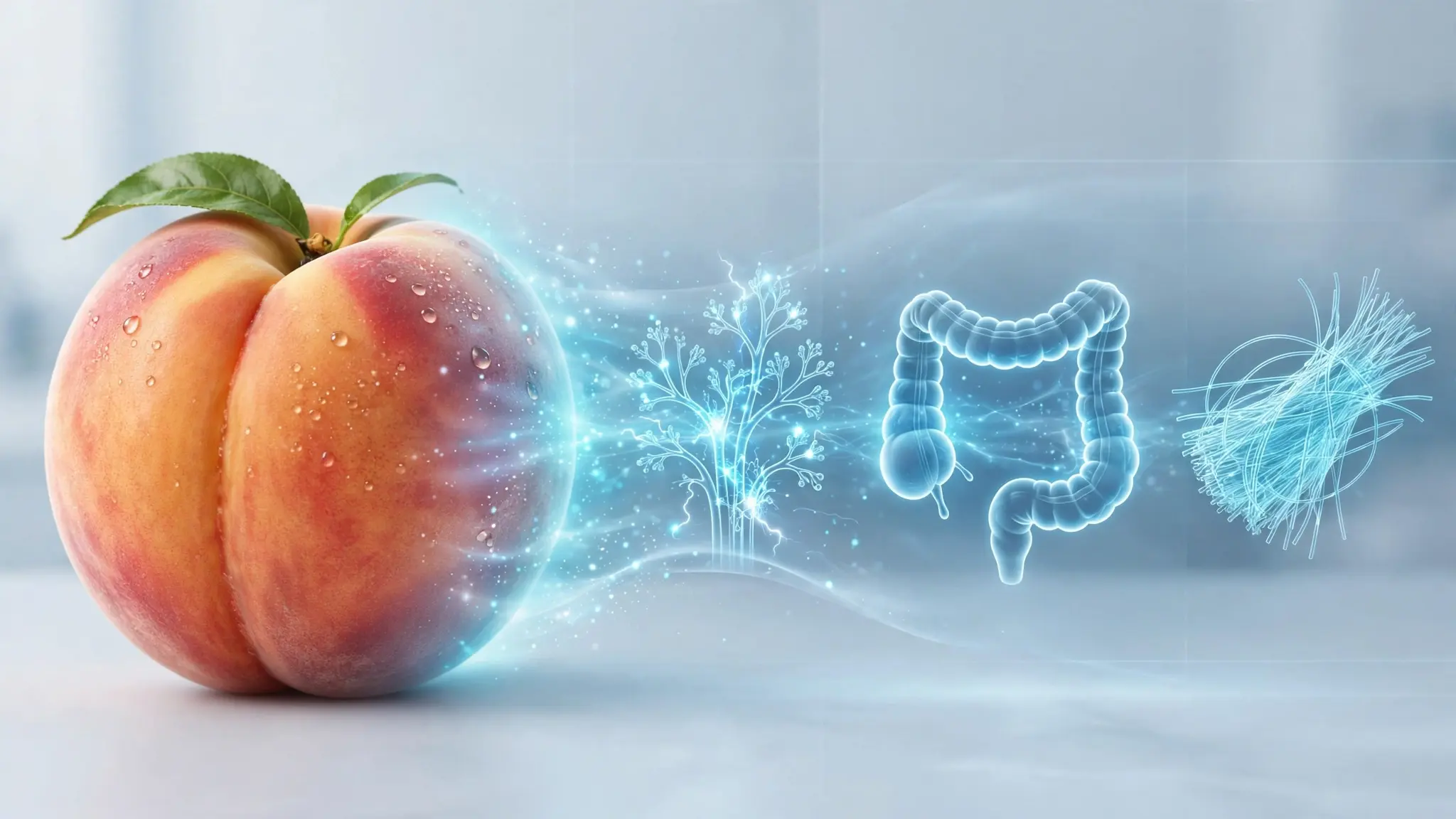
Ayesha messaged me on Saturday evening, looking embarrassed. She ate three ripe peaches from a bowl on her kitchen counter that afternoon, and in less than an hour she ran to the bathroom, convinced that something seriously was wrong. “I don’t even know why I’m telling you all this,” she wrote, “but if you write about it, please tell me if peaches can really cause diarrhea.” At the time, I didn’t have a convincing answer for it, which bothered me, so I spent the next few days reading properly into can peach cause diarrhea rather than guessing at it. What I found is that diarrhea caused by peaches is not a rare coincidence. It’s a well-documented digestive pattern with three different, well-understood mechanisms behind it, and almost no one accurately describes all three in one place.
Table of Contents
The Text Message That Sent Me Down a Research Rabbit Hole
Aisha’s message stuck with me because of how embarrassed she sounded about something completely explainable. She’d assumed she’d caught something, or that the peaches were spoiled, and was almost apologetic asking, as though the question itself was silly.
I told her I’d look into it properly rather than guess, mostly because I genuinely didn’t know the specific mechanism. That gap pushed me to actually read the gastroenterology literature rather than repeat something vague about fibre being “hard to digest.”
What’s Actually in a Peach That Could Upset Your Gut?
A medium peach, around 150g, contains roughly 58 calories, 2.3g of fibre, 12.5g of natural sugars, and, critically, 1 to 3g of sorbitol. It’s also around 88 percent water, one of the highest water contents of any commonly eaten fruit. None of these numbers look alarming individually. Together, they explain almost everything.
Why Peaches Are Classified as High-FODMAP
FODMAP stands for Fermentable Oligosaccharides, Disaccharides, Monosaccharides, and Polyols, a group of short-chain carbohydrates that are poorly absorbed in the small intestine. Peaches are classified as high-FODMAP by Monash University, the institution that developed the low-FODMAP dietary protocol, primarily because of their sorbitol and fructose content.
This matters because roughly 10 to 15 percent of adults have IBS, and considerably more have subclinical FODMAP sensitivity without ever being formally diagnosed. For that group, even one medium peach can trigger symptoms. I’d come across a similar pattern before, in my piece on what happened when someone ate apples every day and couldn’t work out why their stomach was a mess. The mechanism there was almost identical, which made Aisha’s situation click into place faster than it otherwise would have.
The Three Real Reasons Peaches Cause Diarrhea

This is the part that actually resolved things for me, because once you understand these three mechanisms individually, peach-related digestive symptoms stop being confusing.
Reason 1 — Sorbitol, the Natural Laxative Nobody Warns You About
Sorbitol is a naturally occurring sugar alcohol found in significant amounts in peaches, pears, apples, and cherries. The human small intestine cannot fully absorb it, so it passes largely intact into the large intestine, where it draws water into the colon through osmosis, the exact mechanism used by osmotic laxatives like lactulose.
Research has established that around 10g of sorbitol per day is the threshold above which most people experience a laxative effect. A large ripe peach can contain 2 to 3g on its own. Eat three or four large peaches in an afternoon, entirely reasonable given how good they taste in season, and you’re close to or past that threshold. The problem is almost never the fruit itself. It’s the quantity eaten at once.
WORTH KNOWING
Sorbitol is deliberately used in sugar-free gum and diet sweets precisely because of its laxative effect at higher doses. If you chew sugar-free gum throughout the day and also eat multiple peaches, the cumulative sorbitol load adds up in a way that can catch even people who aren’t especially sensitive to peaches alone.
Reason 2 — Fructose Overwhelming the Small Intestine
Peaches contain roughly 12.5g of fructose per medium fruit. Fructose malabsorption is estimated to affect 30 to 40 percent of people in Western populations to some degree, because the small intestine can only absorb a limited amount at a time through its GLUT5 transporter proteins.
Exceed that capacity — which happens faster eating multiple peaches, on an empty stomach, or quickly — and unabsorbed fructose reaches the large intestine, where gut bacteria ferment it, producing gas, bloating, cramping, and diarrhea. Sorbitol makes this worse by specifically inhibiting fructose absorption, so the two compounds compound each other. That’s why peaches hit harder than other fruits with similar fructose content alone. I’ve gone into how fructose behaves differently from other sugars in the body in more depth separately, which helped clarify why this compounding effect happens the way it does.
Reason 3 — Fibre and High Water Content
The third mechanism gets discussed least, and for people sensitive to fibre rather than sorbitol or fructose, it’s their actual primary trigger. Peaches contain both soluble fibre (pectin), which forms a gel and slows digestion, and insoluble fibre, which adds bulk and speeds transit.
Combined with that 88 percent water content, peaches introduce meaningful fluid into the gut at the same time as the fibre. For people with already fast gut motility, that combination from multiple peaches can push bowel transit past the point of normal stool formation. Unripe peaches make this worse specifically, since their cell walls are harder, the insoluble fibre ratio is higher, and the pectin is less softened, all of which makes them meaningfully harder to digest than a fully ripe peach at the same portion size. I’ve noticed a similar fibre-driven pattern in a completely different fruit while researching why grapes cause gas for some people, and the underlying dynamic overlaps more than you’d expect.
Does Peach Skin Make Diarrhea Worse?
Yes, for a meaningful proportion of people, and it’s the easiest single change to make if peaches consistently cause problems. Peach skin is significantly higher in insoluble fibre than the flesh, and also contains phenolic acids, antioxidant compounds that can irritate an already sensitive gut lining, particularly in people with IBS.
The difference between a peeled and unpeeled peach is bigger than most people expect. Peeling removes the skin’s concentrated fibre load while leaving most of the flesh’s nutritional benefits intact — worth trying for two weeks before concluding peaches are off the table.
SALICYLATE SENSITIVITY
Peach skin also contains salicylate, a natural compound related to aspirin. People with aspirin sensitivity or salicylate intolerance sometimes react to peach skin specifically with cramping, loose stools, and bloating. If you also react badly to ibuprofen or high-salicylate foods like berries and tomatoes, salicylate sensitivity may be your specific trigger, and thoroughly peeling peaches will likely resolve it.
Who Is Most Likely to Get Diarrhea From Peaches?
Peach diarrhea sits on a spectrum, from people who react to two peaches to people who eat four with no symptoms at all. People with IBS are particularly vulnerable, since sorbitol-and-fructose is one of the best-documented FODMAP triggers for IBS symptoms. People with fructose malabsorption may find even one medium peach exceeds their gut’s handling capacity, especially eaten alone. People already sensitive to pears, apples, or sugar-free products are likely reacting to the same sorbitol mechanism. Eating multiple peaches at once, or on an empty stomach, both significantly increase symptom likelihood. Unripe peaches carry a higher fibre load and are harder to digest. And plenty of healthy adults experience no symptoms at all from one or two ripe peaches eaten with a meal.
Knowing where you sit on that spectrum changes how you approach the fruit entirely. I’ve written separately about the foods that genuinely build gut resilience over time, including tolerance for higher-FODMAP foods as the microbiome adapts, which is worth reading if this is a recurring pattern for you rather than a one-off.
Canned, Dried, Juiced — Which Form of Peach Is Safest for Your Gut?
Not all peaches carry the same digestive risk. The form changes sorbitol concentration, fibre content, and osmotic load significantly.
| Peach Form | Diarrhea Risk | Why |
| Fresh ripe peach (1 small) | Low–Moderate | Moderate sorbitol; manageable with food |
| Fresh (2–3 large peaches) | High | Sorbitol and fructose exceed tolerance thresholds |
| Canned in juice | Lowest | Heating partially breaks down sorbitol |
| Canned in syrup | Moderate | Added sugar creates its own osmotic effect |
| Dried peaches | Very High | Concentrated sorbitol and fructose |
| Peach juice | Very High | No fibre buffer; concentrated sorbitol |
| Frozen (thawed) | Low–Moderate | Similar to fresh, slightly softer texture |
The same underlying pattern, where processing changes a fruit’s digestive effect significantly, shows up elsewhere too. I found a similar paradox researching pomegranate, where the same fruit can behave completely differently for gut health depending on preparation and quantity.
How to Eat Peaches Without Getting Diarrhea — The Practical Protocol
None of this means giving up peaches. It means eating them a bit more deliberately. Stick to one small-to-medium ripe peach per sitting, roughly 100 to 130g, which keeps sorbitol load below the osmotic threshold for most people. Always eat with other food rather than on an empty stomach, since protein, fat, and complex carbs buffer fructose absorption. Choose fully ripe peaches over firm ones. Peel the skin if you’re sensitive, giving it two weeks before ruling peaches out. Avoid stacking other high-sorbitol foods on the same day — pears, apples, cherries, sugar-free products. And with IBS or a sensitive gut, introduce peaches gradually, starting with a quarter alongside a full meal and building up over two to three weeks.
When Peach-Related Diarrhea Might Not Be About the Peach
Most of the time, peach diarrhea comes down to one or more of the three mechanisms above. Occasionally the cause is different, and it’s worth knowing when to look further. Oral allergy syndrome, related to birch pollen allergy, causes itching or tingling in the mouth within minutes, alongside gut symptoms — a faster, more specific timeline than sorbitol sensitivity. Pesticide residue is a genuine factor too, since peaches sit near the top of the Dirty Dozen list; washing thoroughly or choosing organic reduces this risk. Bacterial contamination, less common, typically presents with nausea and fever alongside diarrhea — a different pattern from sorbitol’s cramping-then-loose-stool cycle.
SEE A DOCTOR WITHOUT DELAY IF
Diarrhea lasts more than 48 hours after eating peaches, there’s blood in the stool, severe abdominal pain or fever accompanies the diarrhea, symptoms are triggered by tiny amounts of peach (suggesting a true allergy rather than sensitivity), or there’s unexplained weight loss alongside digestive changes.
How Aisha’s Story Actually Played Out
I passed all of this on to Aisha properly rather than just the headline version. She realised she’d eaten three large, ripe peaches back to back on an empty stomach — close to a worst-case combination by the numbers above. “I genuinely thought I was ill,” she told me, “and it was just three peaches at the wrong time.” She’s since gone back to eating peaches regularly, one at a time, with food, with no repeat episode.
Her situation wasn’t unusual, which is part of why it stuck with me — almost entirely explainable by portion size and timing, not any underlying problem with her gut or the fruit itself.
My Honest Takeaway — Can Peach Cause Diarrhea?
Yes, for well-understood reasons that have nothing to do with the fruit being harmful to you. Sorbitol, fructose, and fiber combined with high amounts of water can each independently push the intestinal passage beyond normal stool formation, and these can mix with each other in large quantities or on an empty stomach.
For most healthy adults, eating one or two cooked peaches with a meal is not a problem. For people with IBS, fructose malabsorption, or sorbitol sensitivity, small amounts of ripe fruit, peeling, and mixing with food really make a difference. Peaches cause diarrhea when you understand its mechanism, and it rarely causes you to skip the fruit altogether — just to eat it more thoughtfully, as Ayesha does now.
Medical Disclaimer: This article is for general educational purposes only, based on personal research and publicly available nutritional and gastroenterological evidence. It is not a substitute for professional medical advice, diagnosis, or treatment. If you experience persistent diarrhea lasting more than 48 hours, blood in your stool, severe abdominal pain, fever, or unexplained weight loss, please consult a qualified healthcare provider promptly.
Frequently Asked Questions
Can peaches cause diarrhea?
Yes — peaches contain sorbitol, fructose, and insoluble fibre combined with 88 percent water content, all of which can accelerate gut transit and cause loose stools in larger amounts or on an empty stomach.
Why do peaches give me diarrhea?
The most likely cause is sorbitol, a natural sugar alcohol the small intestine can’t fully absorb, which draws water into the colon through osmosis and produces loose or watery stools.
How many peaches can I eat without getting diarrhea?
Most healthy adults tolerate one small-to-medium ripe peach, 100 to 130g, eaten with other food, while two or more on an empty stomach significantly raises the risk of symptoms.
Do canned peaches cause less diarrhea than fresh?
Yes for most people — the canning and heating process partially breaks down sorbitol, making canned peaches in juice easier to digest than fresh fruit.
Does peeling peaches reduce diarrhea?
Yes for many people — peach skin contains more insoluble fibre and salicylate compounds than the flesh, and peeling removes the primary skin-based triggers.

3 thoughts on “Can Peach Cause Diarrhea? The Real Reasons Explained”
Comments are closed.