Introduction
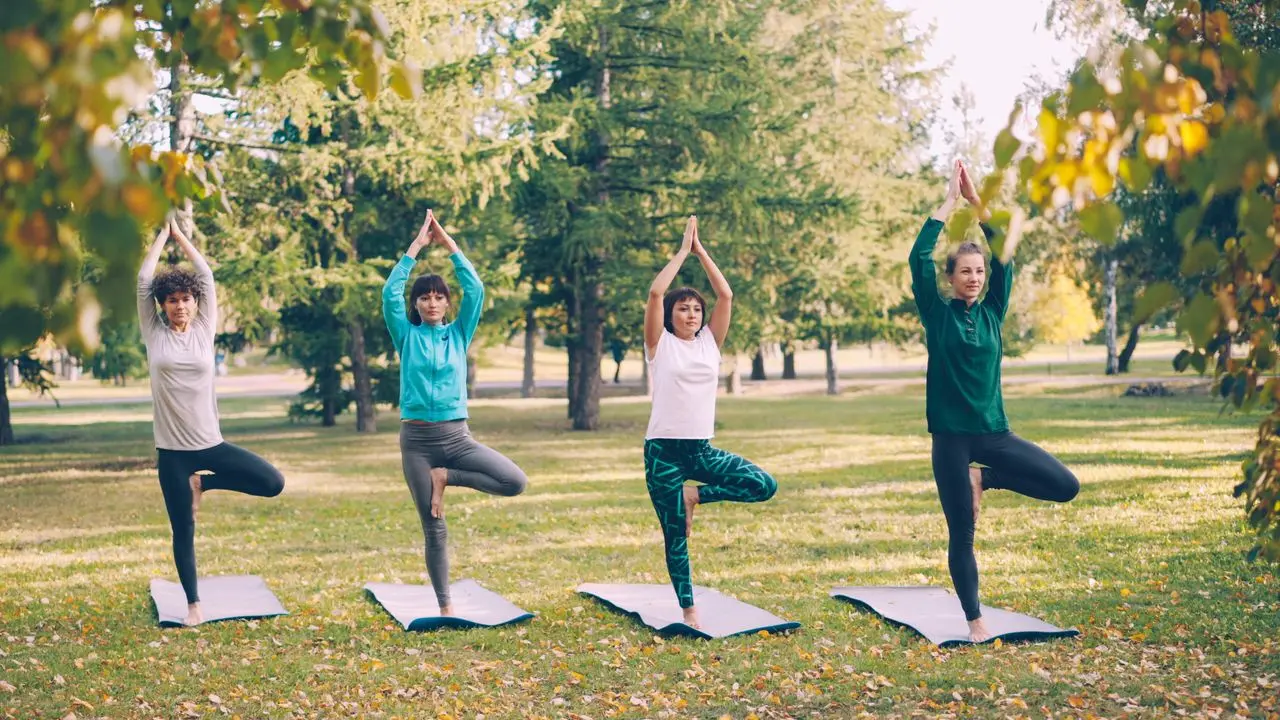
On the morning of the incident, he was lifting nothing heavier than the kettle. I bent down and put the toaster on, and my back closed so tightly that I had to sit on the kitchen floor ten minutes before getting up again. I finally had the experience of leaning on a laptop for years, and no ibuprofen root could solve the problem. That’s when I decided to start yoga for back pain relief — not when things got worse, but as a real 30-day experience. I wanted to know if yoga for back pain relief is really backed by something real, or just by the voice of the health industry. Here’s exactly what I did, what I did wrong, and what changed at the end of the month.
Table of Contents
Why I Turned to Yoga Instead of Painkillers
I’d been managing my back pain the way most people do — with over-the-counter painkillers and a heat pad I kept on my desk chair like a permanent fixture. It worked, sort of, in the way that masking a symptom works. The pain always came back within a day or two, usually worse after I’d sat still for too long. Some weeks I was reaching for painkillers three or four times, which never sat right with me as a long-term plan, even if each individual dose was harmless enough.
What pushed me toward yoga wasn’t a dramatic moment. It was a conversation with a friend who’d gone through something similar after her second pregnancy, and who described consistent, gentle movement as the thing that finally broke the cycle for her — not rest, and not medication. She’d tried physiotherapy first, which helped, but said it was the daily habit of movement afterwards that stopped the pain creeping back in.
I was sceptical, if I’m honest. Yoga had always felt like something other people did — calmer, more patient people with better balance than me. But I was out of better ideas, and the thought of simply masking the pain for another six months didn’t sit right. So I gave myself one proper month to test it, with a rule I stuck to firmly: no skipping days just because I “didn’t feel like it”.
What Causes Back Pain in the First Place
Before I started, I wanted to understand what I was actually dealing with. According to the NHS, most lower back pain isn’t caused by anything serious or structural — it’s usually linked to muscle strain, poor posture, and long periods of sitting without movement, which is basically a job description for anyone who works at a desk.
In my case, it was a textbook combination: eight hours a day hunched toward a screen, weak core muscles that weren’t supporting my spine properly, and almost no stretching or mobility work built into my week. My body wasn’t broken. It was just chronically undertrained and constantly compressed in the same position.
What surprised me most was learning that inactivity, not activity, was doing most of the damage. I’d always assumed back pain came from doing too much — lifting something wrong, twisting awkwardly. In reality, my pain came almost entirely from doing too little for too long, then asking my back to suddenly cope with normal daily movements it hadn’t been prepared for. Once I understood that, the idea of “fixing” it with more rest stopped making sense.
Does Yoga for Back Pain Relief Actually Work? What the Research Says
This is the part I was most sceptical about, so I looked into it properly rather than just trusting Instagram reels. Research published through the NIH has found that yoga can meaningfully reduce chronic lower back pain and improve function, with effects that in some studies held up as well as standard physiotherapy exercises.
The mechanism makes sense once you break it down. Yoga builds core and spinal stability, improves flexibility in tight hip flexors and hamstrings that pull on the lower back, and — this part surprised me — reduces the stress-related muscle tension that quietly makes pain worse. I’d already noticed how much calmer, slower breathing changed my mood after writing about simple daily habits for mental wellbeing, and it turns out the same nervous-system-calming effect plays a real role in how much physical pain you perceive, not just how you feel emotionally.
That connection between stress and physical tightness was something I underestimated going in. On the days I was most anxious about work, my back felt noticeably tighter before I’d even done anything physically demanding. The slow, controlled breathing that comes with yoga seemed to lower that background tension, which then made the physical stretches more effective — the two reinforced each other rather than working separately.
The Yoga Poses That Worked for Me: My 30-Day Routine
I kept my routine to six poses, done most mornings, rather than chasing a long complicated sequence I’d never stick to. Consistency mattered far more than variety.
1. Child’s Pose
This was my starting point every single morning. Kneeling back onto my heels with my arms stretched forward gave my lower back a gentle, passive stretch before I asked it to do anything more demanding. In week one, thirty seconds felt like plenty. By week three, I was happily holding it for two full minutes.
2. Cat-Cow Stretch
Moving between an arched and rounded spine on all fours became the pose I noticed working fastest. Within the first week, the stiffness I usually felt getting out of bed had visibly softened by the time I’d done ten slow rounds.
3. Cobra Pose
This one gently strengthens the muscles along the spine while opening up the front of the body. I was cautious here at first — pushing up too far too soon actually aggravated things on day four, which taught me to keep the movement small and controlled rather than forcing depth. After that, I treated the height of the lift as irrelevant and focused purely on how it felt, which turned out to matter far more for progress than how the pose looked.
4. Bridge Pose
Bridge pose was the one that made the biggest difference to my core strength, which I hadn’t expected. Lifting my hips while pressing through my feet activated my glutes and lower abs in a way that, over the weeks, genuinely took pressure off my lower spine during everyday movements like standing up from a chair.
By the second week, I noticed I could hold the lift for much longer without my lower back taking over the effort, which is apparently a common sign that the right muscles are finally doing the work instead of compensating around a weak core.
5. Knees-to-Chest Pose
A simple, restful pose that released tension I didn’t even realise I was holding. I found this one especially useful in the evenings, after a long day of sitting, as a way to gently decompress before bed.
6. Supine Twist
Lying on my back and dropping my knees gently to one side stretched my lower back and obliques at the same time. This became my go-to on the days my back felt particularly tight, and it’s the pose I still do most nights now, even after the 30 days ended.
My Beginner-Friendly Morning Routine (10–15 Minutes)
I didn’t need an hour on a mat to see results. My actual routine, most mornings, looked like this: two minutes of Child’s Pose, two minutes of Cat-Cow, one minute of Cobra, two minutes of Bridge Pose, two minutes of Knees-to-Chest, and a couple of minutes of Supine Twist on each side. Fifteen minutes, done before my first cup of tea, most days of the week.
“The biggest shift wasn’t any single pose — it was doing something small every single morning instead of an intense routine twice a week. My back responded to consistency, not intensity.”
Mistakes I Made So You Don’t Have To
I skipped a proper warm-up more than once, treating yoga as if it were too gentle to need one. That’s the exact mindset that led to a pulled muscle when I once jumped straight into deadlifts without warming up properly, and yoga isn’t immune to the same logic — pushing into a deeper stretch on a cold body is how minor tightness turns into a real setback.
I also ignored pain signals early on, assuming a bit of discomfort meant the pose was “working.” It wasn’t. Sharp or shooting pain is never something to push through, and the moment I started backing off at the first sign of it, my progress actually got faster, not slower.
The third mistake was comparing my flexibility to what I saw online. Plenty of yoga content shows deep, advanced variations of these poses, and for the first week I quietly tried to match them. My back didn’t care how the pose was supposed to look — it cared whether the movement was controlled and pain-free. Once I stopped chasing depth and started chasing consistency, everything got easier.
When Yoga Isn’t Enough: Signs to See a Doctor
Yoga helped me enormously, but it isn’t a substitute for proper medical care in every situation. If back pain comes with numbness, tingling down the legs, unexplained weight loss, or pain that doesn’t ease with rest and gentle movement, that’s a signal to speak to a GP rather than push through with stretching alone. I gave myself a simple rule during the 30 days: if a symptom felt new, sharp, or was spreading rather than easing, that was my cue to stop and get it checked rather than assume yoga would eventually sort it out.
This is especially true if joint pain and stiffness show up alongside other symptoms — I’ve written before about the kind of persistent joint pain and stiffness that can point to something beyond simple muscle strain, and it’s worth ruling out before assuming yoga alone will fix it. It’s also worth remembering that starting gently is never too late — my own family’s experience with easing into activity later in life showed me that slow, sustainable movement works at any age or starting point.
What Changed After 30 Days
By the end of the month, the improvement wasn’t dramatic in a single moment — it was cumulative. I could bend down to load the dishwasher without bracing myself first. I stopped reaching for painkillers most weeks entirely. My posture at my desk improved without me consciously trying, simply because my core was stronger and holding me upright with less effort.
By day 30, my back pain hadn’t vanished completely — but the frequency dropped from almost daily discomfort to maybe once a week, and even then, it was mild enough that a few stretches sorted it out.
The painkillers I used to reach for weekly stayed in the cupboard for most of the month. Sleep improved too, in a way I hadn’t expected — I stopped waking up stiff, which used to be the first thing I noticed every single morning. None of this happened overnight. The first week felt like very little was changing, and it was only really by week two that the improvements started compounding on top of each other.
Conclusion
If you’re dealing with the same nagging, low-grade back pain that never fully goes away, I can honestly say yoga for back pain relief is worth a real, committed try — not a single session, but a genuine few weeks of consistency. Start small, listen to your body, and give it more than a few days before deciding if it’s working. It took a whole month for my waist to notice the difference, and I’ve stuck with this routine even after day 30 because the difference is so apparent that it’s impossible to let go.
If I want to tell someone something at the outset, it’s this: Don’t decide to act on your emotions after the first day. Evaluate your emotions after two consecutive weeks. This is where the real change came for me, and I doubt it will be the same for you.
Frequently Asked Questions
What is the best yoga pose for back pain relief?
Cat-Cow Stretch and Child’s Pose are generally the most effective starting poses, as they gently mobilise the spine and release tension without straining the lower back.
Can yoga cure back pain permanently?
Yoga can’t guarantee a permanent cure, but regular practice can significantly reduce pain frequency and intensity by strengthening supporting muscles and improving flexibility.
How often should I do yoga for back pain relief?
Most people notice benefits from practising 10–15 minutes daily or at least five times a week, rather than longer, infrequent sessions.
Is yoga safe if I have a herniated disc?
Gentle, low-impact poses can be safe, but anyone with a herniated disc should get clearance from a doctor or physiotherapist before starting.
How long before yoga starts relieving back pain?
Many people notice initial improvements within one to two weeks, with more significant changes typically building over three to four weeks of consistent practice.
Disclaimer:
This article reflects my personal experience and is for general informational purposes only — it is not medical advice. Please consult your doctor before starting any new exercise routine, especially if you have an existing back condition.

3 thoughts on “I Tried Yoga for Back Pain Relief for 30 Days — Here’s What Actually Worked”
Comments are closed.