Introduction
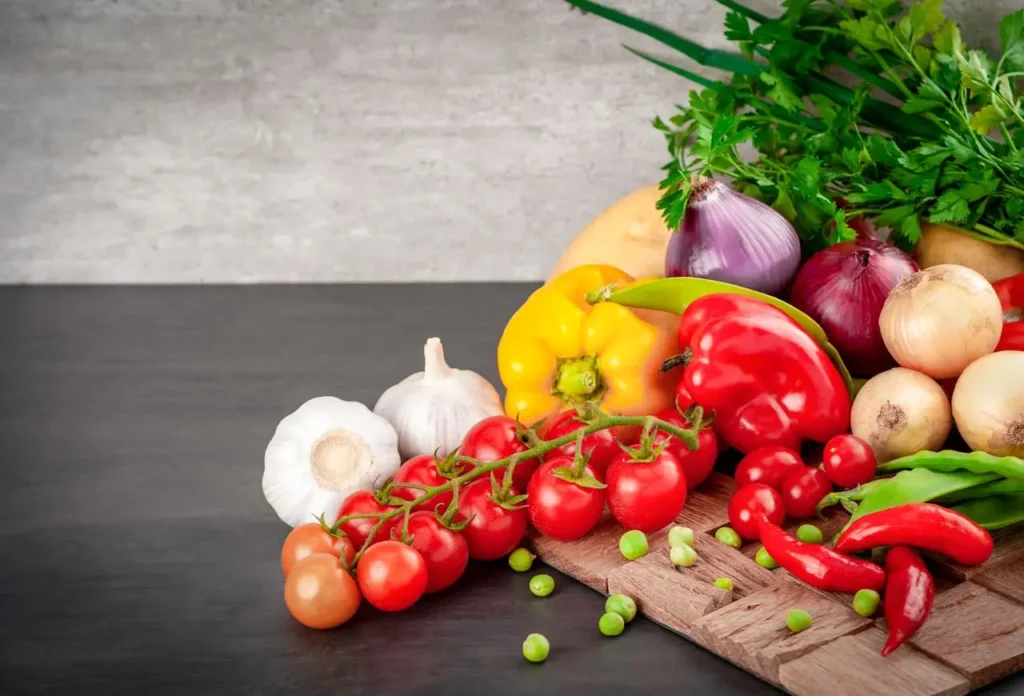
I used to think I ate well. My plate had color, my salads were large, and I truly believed I was doing the right thing for my body. It wasn’t until my uncle Rasheed was diagnosed with type 2 diabetes, and his GP told him to start preparing his meals around vegetables, that I realised how little he really knew which vegetables were important. The conversation took me on a profound journey of research over several weeks, and what I found forever changed the way I shopped, cooked, and ate. It’s my honest, personal analysis of what the best and worst vegetables for a healthy diet, not taken from a textbook, but from someone who made a mistake for years and finally got it right. If you’ve ever assumed that all vegetables are produced equally, the conversation about the best and worst vegetables for a healthy diet may surprise you as much as it did me.
Table of Contents
My Vegetable Wake-Up Call
My uncle Rashid has always been the kind of man who eats whatever’s put in front of him, no questions asked, and rarely thinks twice about it. So when his doctor told him to build his meals around vegetables after his diagnosis, our entire family genuinely didn’t know where to start. We assumed peas, sweetcorn, and the limp iceberg lettuce sitting in supermarket sandwiches counted as doing the work, simply because they technically came from the vegetable aisle.
It was only when I sat in on his next dietitian appointment, notebook in hand, that I realised how wrong that assumption was. His dietitian explained that some vegetables barely move the needle on blood sugar, fibre, or overall nutrient intake, while others do an enormous amount of work in a single serving. She kept circling back to one idea, almost like a mantra: portion size matters far less than nutrient density. I remember sitting there a little embarrassed, honestly, because I’d been writing about nutrition for years and had never sat down and properly ranked vegetables by what they actually deliver versus what they merely represent on a plate.
That appointment became the starting point for this entire article. I went home that evening and pulled apart every assumption I’d ever made about what counted as “eating my vegetables.”
What Actually Makes a Vegetable Good or Bad for You
Before I could help Rashid make better choices, I had to relearn the basics myself. The real measure isn’t whether something is technically classified as a vegetable. It’s nutrient density, meaning how much fibre, vitamins, minerals, and antioxidants you get relative to the calories and portion size you’re actually eating.
This was the same lesson I’d already learned the hard way when I went through my own kitchen and realised how many of the foods I assumed were healthy were actually some of the worst processed foods to keep eating. Vegetables follow an almost identical pattern. Some are genuine nutritional workhorses, packed with phytonutrients, polyphenols, and a low glycemic index that keeps blood sugar stable. Others are mostly water, starch, or clever marketing dressed up as health food.
By that measure, foods like iceberg lettuce or sweetcorn aren’t “bad” exactly. They’re just nutritionally lightweight compared to what’s sitting right next to them in the same supermarket aisle, and that distinction is exactly what I’d missed for years while feeling smug about my “healthy” shopping basket.
The Best Vegetables for a Healthy Diet, Ranked
1. Leafy Greens: Spinach, Kale, Swiss Chard
These topped my list once I actually understood the numbers behind them. A single cup of cooked spinach delivers a striking amount of vitamin K, vitamin A, and folate, along with iron that Rashid’s blood tests showed he badly needed. I started wilting spinach into the same curries our family already cooked most weeks, so the change felt invisible rather than forced, and nobody at the dinner table even noticed at first. Kale and swiss chard followed soon after, once I realised how easily they could replace less useful greens without changing a single recipe.
2. Cruciferous Vegetables: Broccoli, Cauliflower, Brussels Sprouts
Broccoli became my personal favourite once I learned about sulforaphane, a compound linked to lower inflammation and some cancer-protective effects in early research. I roast it now instead of boiling it, which keeps far more of the nutrients intact and, frankly, tastes considerably better than the soggy version I grew up eating at family dinners. Cauliflower and Brussels sprouts earned their place for the same reason: high fibre, strong antioxidant content, and an outsized nutritional return for relatively few calories.
3. Alliums: Garlic and Onions
Garlic was the easiest win in this entire experiment. It’s cheap, it’s already in most of our recipes, and the research on its cardiovascular and immune benefits is hard to ignore. I simply stopped being stingy with how much I added to everyday cooking, and onions followed naturally since they share much of the same prebiotic fibre and antioxidant profile that supports gut health.
4. Root Vegetables Worth Keeping: Sweet Potato, Carrots, Beetroot
Sweet potato replaced white potato in our house more often than not. The beta-carotene content alone made it an easy swap, and it kept Rashid fuller for longer between meals, which mattered enormously for his blood sugar control throughout the day. Carrots and beetroot earned a permanent spot too, mostly because they travel well into almost anything we already cook, from roasted trays to simple soups.
I’d actually seen a similar pattern before with fruit. When I looked into whether guava could genuinely support weight loss, the answer came down to the exact same idea: nutrient density and fibre content, not just the fact that something is “natural,” are what actually move the needle on results.
Quick Reference:
My Top 5 Nutrient-Dense Vegetables Spinach, broccoli, garlic, sweet potato, and Brussels sprouts. These are the five I now make sure are sitting in our kitchen every single week, no exceptions.
The Worst Vegetables for a Healthy Diet, and Why They Disappoint
1. Iceberg Lettuce
This was the hardest one for me to accept, because it’s in almost every “healthy” sandwich and salad sold in the UK. The truth is iceberg lettuce is mostly water, with very little fibre or micronutrient value compared to darker leafy greens like spinach or kale. I still use it occasionally for crunch, but I stopped pretending it was doing any real nutritional work on my plate.
2. Sweetcorn, Counted as a Vegetable Serving
Sweetcorn isn’t unhealthy in itself, but treating it as your main vegetable portion is misleading. It behaves more like a starchy carbohydrate than a nutrient-dense vegetable, with a meaningful impact on blood sugar that Rashid’s dietitian specifically flagged during that same appointment. We didn’t cut it out; we just stopped counting it as our “vegetable” for the meal.
3. White Potatoes, Fried or Heavily Processed
Plain boiled potato has its place in a balanced diet, but the fried and heavily processed versions most of us actually eat lose much of their nutritional value while gaining sodium and unhealthy fats along the way. Chips, crisps, and pre-packaged potato sides were the biggest offenders in our own household, far more than the potato itself.
4. High-Sodium Canned Vegetables
I used to grab canned vegetables for convenience without ever checking the label, not realising how much sodium some of them quietly added to Rashid’s diet, exactly the kind of hidden source his GP was trying to get him to reduce. Switching to low-sodium or no-salt-added versions turned out to be one of the simplest changes we made.
This was the same blind spot I’d had with protein for years. I’d consistently gotten my portion sizes wrong long before I ever thought to question whether my vegetables were pulling their weight too.
How I Rebuilt My Plate: A Realistic Approach, Not a Perfect One
I didn’t overhaul our family’s meals overnight, and I genuinely don’t think anyone should try to. The swaps that actually stuck were small: frozen spinach instead of iceberg lettuce in wraps, roasted broccoli instead of boiled sweetcorn as a side, and sweet potato mash on the nights we’d normally reach for white potato out of habit rather than preference.
Frozen vegetables turned out to be one of the biggest surprises in this whole process. They’re frozen at peak ripeness, which in several cases means they actually hold onto more nutrients than the “fresh” vegetables that have sat in transit and on supermarket shelves for days before reaching your basket. That single fact removed most of the guilt I used to feel about not buying everything fresh.
Once these swaps started feeling normal rather than effortful, I leaned on a batch of meal prep ideas that turned good vegetable choices into an actual weekly habit, rather than something I had to consciously think about every single day. Rashid’s blood sugar readings improved steadily over the following months, and while I can’t claim the vegetables did all of that work alone, his dietitian was clear that they played a meaningful part.
3 Swaps That Stuck for Me Frozen spinach over iceberg lettuce. Roasted broccoli over boiled sweetcorn. Sweet potato over white potato, at least three nights a week.
A Note on Balance: Why “Worst” Doesn’t Mean “Never”
I want to be honest about something here. None of this means Rashid, or anyone else reading this, needs to eliminate sweetcorn or potatoes completely. “Worst” in this context means lowest priority, not forbidden, and that distinction matters more than people often assume when they read a ranked list like this one.
The goal I eventually set for our family was simple: make sure the high-value vegetables show up first, most often, and in the biggest portions, while the lower-value ones become the occasional extra rather than the main event on the plate. That mindset shift mattered more than any single ingredient swap ever could, and it’s far easier to sustain long term than a rigid set of rules.
It’s also the same approach I’d already used when restocking my own kitchen with pantry staples that actually pulled their weight, instead of ones that just sat there looking responsible without doing much for my health.
Looking back, the biggest shift wasn’t in any single vegetable I added or removed. It was realising that “eating my vegetables” had been a vague, feel-good phrase for most of my life, rather than something I could actually measure or improve. Once Rashid’s diagnosis forced me to get specific, the rest of the changes followed almost on their own.
Frequently Asked Questions
What is the healthiest vegetable to eat every day?
Spinach is widely considered one of the healthiest vegetables to eat daily, thanks to its high levels of vitamin K, vitamin A, folate, and iron, with very few calories per serving.
What vegetable has the least nutritional value?
Iceberg lettuce has one of the lowest nutritional profiles among common vegetables, since it’s composed mostly of water with minimal fibre, vitamins, or minerals compared to darker greens.
Are frozen vegetables as healthy as fresh ones?
Yes, frozen vegetables are often just as healthy, and sometimes more nutrient-rich, because they’re frozen at peak ripeness rather than losing nutrients during transport and storage.
Can “worst” vegetables still be part of a healthy diet?
Yes. Lower-ranked vegetables like sweetcorn or white potato aren’t harmful in moderation; they simply shouldn’t replace nutrient-dense vegetables as your main source of vitamins and fibre.
How many vegetables should I eat a day for real health benefits?
Most health bodies, including the NHS, recommend at least five portions of fruit and vegetables daily, with an emphasis on variety, including leafy greens and cruciferous vegetables.
Medical Disclaimer:
This article is based on personal experience and publicly available nutrition research. It is not medical advice. Please speak with your GP, dietitian, or another qualified healthcare professional before making significant changes to your diet, especially if you have an existing health condition such as diabetes.

2 thoughts on “The Best and Worst Vegetables for a Healthy Diet, Ranked”
Comments are closed.