THE SHORT VERSION The healthiest foods to eat in the morning aren’t exotic: eggs, Greek yoghurt, oats, berries, chia seeds, cottage cheese, avocado, seeded bread, tomatoes, nuts, citrus, and peaches all show up on this list, but the real fix for mid-morning hunger is combining a protein source with a fibre source and something fresh, not eating any single food alone.
Introduction
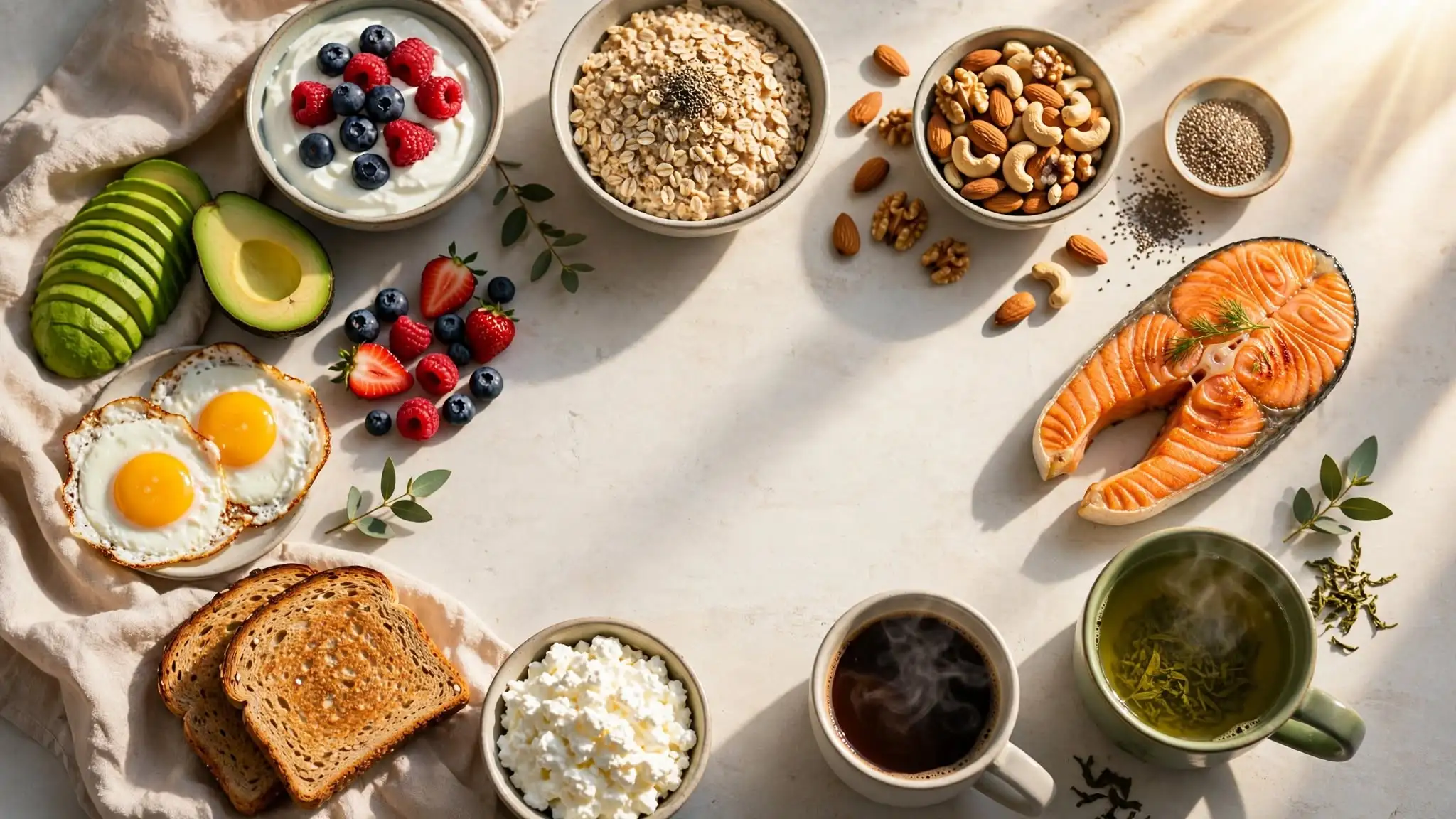
For years, my breakfast was either just coffee coming out the door, or whichever was faster: with a white toast jam, pastries taken from near the station, standing at the counter eating a cup of cereal and scrolling on the phone. Most mornings, by 10:30 p.m., I would be hungry, irritable, and trying to get the biscuits closest to my desk. I truly believed that mornings went the way they did for me.
Then my colleague Priya mentioned almost cursoly that she never hits the wall of the middle of the morning that I used to constantly complain about. I asked what she actually ate. Two boiled eggs and a few berries, most days, nothing more complicated than that. I remember being almost angry at how simple it sounded, like I had been ignoring something obvious for years and thinking too much about my diet.
This conversation made me try different breakfast combinations and honestly track what suits me and what doesn’t. I decided on what are the healthiest foods to eat in the morning, twelve specific options, not because they’re in trendy, but because each one clearly changed my emotions by the middle of the morning. If your current breakfast isn’t working either, the healthiest foods to eat in the morning are less than one ingredient and more dependent on how you mix them.
Table of Contents
Why Breakfast Choices Matter More Than Most People Realise
The first meal of the day sets your blood sugar trajectory for hours afterward. A high-sugar, low-protein breakfast, cereal, pastries, white toast with jam, causes a sharp glucose spike followed by a crash. That crash is precisely the mid-morning hunger and irritability cycle I’d been living with for years without ever connecting the dots.
A protein-and-fibre-forward breakfast is consistently linked to better appetite control, steadier energy, and reduced total calorie intake later in the day. The mistake I made for the better part of a decade was treating breakfast as the meal where convenience mattered most and nutrition mattered least. It should be exactly the opposite.
The morning I finally logged my usual breakfast in a tracking app, the numbers were stark: roughly 4 grams of protein and almost no fibre from two slices of toast and jam. No wonder I was raiding the biscuit tin ninety minutes later. This is the same blood sugar mechanism I explored in detail while researching sustainable weight loss and protecting yourself from energy crashes, and breakfast turned out to be where that principle mattered most for me personally.
Looking back, I think part of why it took me so long to notice was that the crash felt like a personality trait rather than a symptom. I assumed I was simply someone who got hangry easily, someone who needed a mid-morning snack as a matter of temperament. It never occurred to me that the breakfast itself was the variable I could actually change, rather than something to just manage around with biscuits and strong coffee.
The 12 Healthiest Foods to Eat in the Morning

1. Eggs
Eggs are a complete protein at roughly 6 grams per egg, rich in choline for brain function, and one of the most versatile breakfast foods available. Following Priya’s example, I made two eggs non-negotiable most mornings. I used to eat toast alone and call it breakfast. The switch to eggs first, toast second, made a difference within the first week — I genuinely stopped thinking about food until well past 11am most days. What surprised me most was how little effort the change required. Scrambled, boiled, or fried in a little olive oil, the preparation barely matters compared to simply making sure they show up on the plate at all.
2. Greek Yoghurt
Greek yoghurt contains roughly 17 grams of protein per 200g serving, almost double regular yoghurt, plus probiotics that support gut health. When I explained the protein difference to a friend who’d bought regular yoghurt her entire life, she didn’t believe me until she checked the label herself. “I’ve been buying the wrong one for twenty years,” she said, half laughing, half annoyed. She switched within the week.
3. Oats (Properly Prepared)
Oats are a genuinely good source of soluble fibre, specifically beta-glucan, linked to healthy cholesterol levels. But preparation matters enormously. Oats alone, with no added protein, still left me hungry within two hours during my early experiments. I’d already looked closely at how soluble fibre affects cardiovascular markers when researching pomegranate juice and cholesterol — the oat beta-glucan mechanism works through a similar pathway, binding cholesterol in the gut before it can be absorbed. Oats with a scoop of Greek yoghurt stirred in solved the hunger problem entirely.
4. Berries
Blueberries, raspberries, and strawberries have a lower glycemic impact than most fruit and work well as a topping rather than a standalone meal. They became my go-to oats topping instead of sugar or honey; the natural sweetness plus the fibre content meant I stopped missing the sugar within about two weeks.
5. Chia Seeds
Chia seeds are a complete plant protein with meaningful omega-3 content and exceptional fibre, roughly 10 grams per two tablespoons. My first attempt at overnight chia pudding was, frankly, a gluey disaster — not enough liquid, nowhere near long enough soaking time. The second attempt, with proper ratios and an overnight soak in the fridge, worked perfectly and has been part of my weekly rotation since.
6. Cottage Cheese
Cottage cheese delivers around 14 grams of protein per 100g and works in both sweet and savoury morning contexts. I’d dismissed it for years as old-fashioned diet food. It earned a permanent place in my fridge once I tried it spread on toast under smoked salmon, considerably more interesting than I’d ever given it credit for. A neighbour of mine, trying to increase protein without relying entirely on meat, started using it as a base for a savoury breakfast bowl with cucumber and black pepper, and now swears by it as the easiest protein source he’s added to his routine.
7. Avocado
Avocado provides healthy monounsaturated fats that slow gastric emptying and extend satiety, which is exactly why avocado toast became a genuine nutritional trend rather than just an aesthetic one. Half an avocado on seeded toast genuinely bridges me to lunch without a single dip in energy.
8. Whole Grain or Seeded Bread
The bread swap matters more than people assume: standard white bread provides 2 to 3 grams of protein per slice, while seeded wholegrain bread provides 5 to 7 grams per slice, the same sandwich, meaningfully different nutrition. I covered this exact comparison in detail in my piece on easy ways to eat more protein — one of the simplest swaps with almost no extra effort required, since the price and preparation are identical.
9. Tomatoes (Fresh or as Juice)
Tomatoes are lycopene-rich, low in calories, and a genuinely good way to start hydration and antioxidant intake early in the day. I researched the specific cardiovascular and inflammatory benefits in depth in my piece on tomato juice — many of those same benefits apply to fresh tomatoes added to breakfast, whether sliced alongside eggs or blended into a small glass. I was sceptical the first time someone I met at a health talk mentioned adding sliced tomato to eggs every morning, purely on taste grounds, but the combination has become one of my regular Tuesday and Thursday additions since.
10. Nuts (Almonds, Walnuts)
A small handful of nuts provides healthy fats, plant protein, and meaningful satiety, easy to add to porridge or yoghurt without any preparation at all. The first time I actually weighed out a “handful” of almonds, I was surprised by how much smaller it was than what I’d been pouring into my hand before, roughly 23 almonds, not the generous fistful I’d assumed.
11. Citrus Fruit or Lime Water
Vitamin C from citrus supports iron absorption from the rest of your breakfast, and a warm lime water start has its own separate digestive benefits. This is the exact morning habit I wrote about in detail in my piece on the health benefits of lime juice — it’s been part of my routine for over a year now, and it’s usually the very first thing I do before anything else touches my plate.
12. Peaches (In Season, Skin On)
Peaches are a genuinely underrated breakfast fruit: fibre, antioxidants, and natural sweetness without the sugar spike that comes with juice or pastries. I made the full nutritional case for eating the skin specifically in my article on peach skin — the antioxidant difference between peeled and unpeeled is bigger than most people expect, and sliced peach over yoghurt has become one of my favourite summer breakfasts.
How I Actually Combine These Foods — My Real Weekday Breakfasts
The biggest lesson from months of experimenting wasn’t which single food mattered most. It was that combining a protein source, a fibre source, and a fruit or vegetable in the same meal is what actually prevents the mid-morning crash. No single food on this list works in isolation the way the right combination does, and this is where most breakfast advice I’d read before missed the point — it focused on individual “superfoods” rather than how they function together on a plate.
My actual weekday rotation looks like this: Monday and Wednesday, Greek yoghurt with a tablespoon of chia seeds and a handful of berries. Tuesday and Thursday, two eggs with half an avocado on seeded wholegrain toast. Friday, oats with Greek yoghurt stirred in, topped with sliced peach and a small handful of almonds. Every single one of those combinations includes a protein source, a fibre source, and something fresh, fruit or tomato. That pattern, repeated in different forms, is what consistently got me to lunch without reaching for anything in between.
What to Avoid — The Breakfast Foods That Used to Sabotage My Mornings
Sugary cereals cause a fast glucose spike followed by an even faster crash, with almost no protein to anchor the meal. Pastries and white toast with jam are quick-digesting carbohydrates with virtually no protein or fibre to slow them down. Fruit juice instead of whole fruit delivers concentrated sugar without the fibre that would normally slow its absorption.
My honest “before” breakfast was almost always one of these three, usually toast and jam, sometimes a pastry if I was running late. By 10:30am I’d be hollowed out and irritable, exactly as Priya had never seemed to be. The fibre-fruit relationship is something I explored in detail when researching how pomegranate’s fibre content affects digestion — the same principle of keeping fibre intact rather than removing it through juicing applies directly to breakfast fruit choices. A whole peach behaves completely differently in your body than a glass of peach juice, even though the fruit itself is identical.
A friend of mine who switched from orange juice to whole oranges at breakfast, purely because I mentioned the fibre difference over dinner one evening, told me a few weeks later that she genuinely hadn’t expected to notice anything, but the mid-morning hunger she’d assumed was normal for her simply stopped showing up as often.
The 12 Foods at a Glance
| Food | Key Benefit | Best Paired With |
| Eggs | Complete protein, choline | Avocado, seeded toast |
| Greek yoghurt | High protein, probiotics | Chia seeds, berries |
| Oats | Soluble fibre, cholesterol support | Greek yoghurt, nuts |
| Berries | Low glycemic, antioxidants | Oats, yoghurt |
| Chia seeds | Complete protein, omega-3, fibre | Milk or yoghurt, overnight |
| Cottage cheese | High protein, versatile | Toast, smoked salmon, fruit |
| Avocado | Healthy fats, satiety | Eggs, seeded toast |
| Wholegrain/seeded bread | More protein and fibre than white | Eggs, avocado |
| Tomatoes | Lycopene, low calorie | Eggs, savoury breakfasts |
| Nuts | Healthy fats, plant protein | Porridge, yoghurt |
| Citrus / lime water | Vitamin C, iron absorption | First thing, before eating |
| Peaches (skin on) | Fibre, antioxidants, natural sweetness | Yoghurt, porridge |
My Honest Verdict — What Actually Changed for Me
The morning journey to the biscuit tin is really over. On most days I don’t feel hungry again until lunch, and within about three weeks when I ate the first thing I did, my concentration also improved significantly.
If I had to choose five dishes, I would never give up, that was eggs, Greek yogurt, berries, avocado, and trim or lime water. The real change was not about any one meal. The problem was that breakfast became the most planned meal of my day from an afterthought.
I think of the version who skipped breakfast or grabbed a pastry on the way to the station, and I don’t really understand how I kept working like this for so long. These 12 healthiest foods to eat in the morning are neither complicated nor expensive. These are just foods that go well, and these are the things that kept me getting through the morning without getting tired until 10:30.
None of these things required a complete change in my cooking or shopping style. Most of these foods were already lying in my kitchen when I didn’t start paying proper attention to them; the change was almost entirely about what food I eat first, and in what combination, not buying something new or unique.
Medical Disclaimer: This article is for general informational and nutritional guidance only and does not constitute medical advice. Individual dietary needs vary. Always consult a qualified healthcare professional or registered dietitian before making significant changes to your diet, particularly if you have an existing health condition.
Frequently Asked Questions
What are the healthiest foods to eat in the morning?
The healthiest morning foods combine protein, fibre, and healthy fats — eggs, Greek yoghurt, oats, berries, chia seeds, avocado, and citrus fruit are among the strongest choices, especially when paired together rather than eaten alone.
What should I avoid eating for breakfast?
Sugary cereals, pastries, white toast with jam, and fruit juice cause a rapid blood sugar spike followed by a crash, and contain little to no protein or fibre to sustain energy through the morning.
What breakfast keeps you full until lunch?
A breakfast combining protein, such as eggs or Greek yoghurt, with fibre, such as oats or chia seeds, and a healthy fat, such as avocado or nuts, slows digestion and stabilises blood sugar, which is what actually prevents mid-morning hunger.
Is it better to eat protein or carbohydrates for breakfast?
Protein is generally the more important addition, since it has the strongest effect on satiety hormones, but pairing moderate protein with fibre-rich carbohydrates like oats or wholegrain bread is the most sustainable overall approach.
Can skipping breakfast be healthy?
For some people following structured intermittent fasting, skipping breakfast can fit within a balanced diet, but for most people it leads to overeating later and reduced morning energy and focus, so the balance of the rest of the day matters more than whether breakfast itself happens.
