The 2025 Study That Surprised Everyone
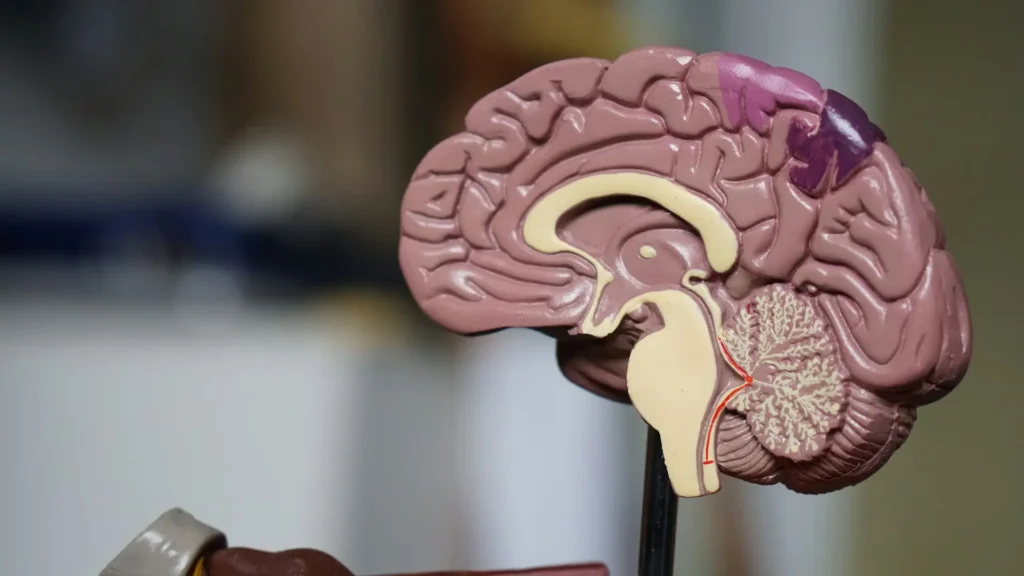
When my grandfather started calling me by my father’s name, I told myself it was just a tired night. The next morning, when it happened again, and then a week later, I stopped saying anything to myself and started reading. Alzheimer’s disease has always been something I understood in the abstract, a condition I described clinically in articles, until they remained discreet and started sitting at my family’s table. It’s this personal transformation that led to a study published in January 2025 that stopped me as I browsed. Researchers had found that inhaling xenon gas protect against Alzheimer’s, reduced brain inflammation, removed toxic plaques and protected neurons in mouse models — the results are so dramatic that a phase 1 clinical trial in humans could begin as early as this month. This article is my honest and careful analysis of what xenon gas really means to protect against Alzheimer’s, what the study found, and what any of us can realistically do during this research.
Table of Contents
Why Alzheimer’s Has Felt So Personal to Me
My grandfather is 81. He was an electrician for forty years, sharp with numbers, sharper with people. Watching him struggle to locate a word he used every day for decades is one of the stranger, quieter kinds of grief I’ve experienced — not a sudden loss but a slow one, arriving in small instalments you try not to notice until you can’t help noticing.
It’s also the reason I started writing about dementia on this site more seriously. The first time I covered the condition here, I focused on how dementia devastates families in ways that often go unseen. But the fear I feel for the adults I love is just as real, and this xenon study arrived at exactly the moment when I was paying closest attention to anything that might represent a genuinely different direction in Alzheimer’s research.
Because most of what I’d been reading for two years was variations on the same story: another amyloid-targeting drug, another partial result, another reason to temper expectations. This study felt different from the first paragraph.
A Quick Refresher on What Alzheimer’s Actually Does to the Brain

Amyloid Plaques, Tau Tangles, and Why They’re So Hard to Target
Alzheimer’s disease is characterised by two primary kinds of damage inside the brain. The first is the accumulation of amyloid beta plaques, sticky protein deposits that build up between neurons and gradually disrupt their ability to communicate. The second is the formation of tau tangles, twisted fibres that accumulate inside neurons themselves and interfere with how they transport nutrients and signals.
Most drug development in this space has focused on targeting these two culprits directly, either clearing the plaques or preventing the tangles from forming. Some of the newer treatments have shown modest success in slowing progression, but the results have been partial, the side effects meaningful, and the window of effective treatment frustratingly narrow.
The Blood-Brain Barrier Problem That Has Stumped Researchers for Decades
The deeper challenge is structural rather than chemical. The blood-brain barrier is a tightly regulated system that controls what passes from the bloodstream into brain tissue. It exists to protect the brain from pathogens and toxins, and it does that job extremely well — so well that it blocks the vast majority of drugs researchers have tried to deliver to where the damage actually occurs.
This is the wall that has defeated more Alzheimer’s treatments than almost any other obstacle. I’d already encountered this barrier when researching how the brain’s own immune system goes wrong in autoimmune and neuroinflammatory conditions, and the pattern kept repeating: treatments that worked brilliantly in a controlled environment couldn’t survive the journey into actual brain tissue.
The Xenon Gas Study: What Was Actually Tested
What Xenon Gas Is and Why Nobody Had Thought to Use It This Way
Xenon is a noble gas, meaning it belongs to the same family as helium, neon, and argon. Noble gases are defined by their chemical stability — they don’t typically interact with other substances, which is why using one as a neurological treatment sounds almost counterintuitive at first. Xenon has been used in human medicine as an anaesthetic and as a neuroprotectant for treating traumatic brain injuries, so its safety profile in humans isn’t starting from zero.
The study was led by researchers from Mass General Brigham and Washington University School of Medicine in St. Louis, published in the journal Science Translational Medicine in January 2025. Senior author Oleg Butovsky, PhD, of the Ann Romney Center for Neurologic Diseases at Brigham and Women’s Hospital, described it plainly: “One of the main limitations in the field of Alzheimer’s disease research is that it is extremely difficult to design medications that can pass the blood-brain barrier — but xenon gas does.”
What the Mouse Models Showed
The results were striking across multiple different Alzheimer’s mouse models. Xenon gas inhalation reduced brain atrophy and suppressed neuroinflammation. It also induced a protective microglial response — activating the brain’s own immune cells to become more effective at clearing amyloid plaques from between neurons rather than becoming overwhelmed and withdrawing from the job.
Microglia are the brain’s resident immune cells. During Alzheimer’s, they progressively lose their ability to clear cellular debris and toxic protein accumulations. The xenon treatment appeared to reverse that functional decline, pushing microglia back toward their protective, plaque-clearing state.
In mice carrying APOE4, the genetic variant most strongly associated with elevated Alzheimer’s risk, xenon-treated animals performed better on cognitive tests and showed significantly less brain deterioration. They also showed improved nest-building behaviours, a standard proxy for preserved cognitive function in mouse research.
Why a Human Clinical Trial Is Already Underway
Perhaps the most significant detail is that the researchers moved quickly. A phase one clinical trial in healthy human volunteers was announced for early 2025, recruiting participants specifically to test the safety and tolerability of xenon inhalation in people. This is still a safety-focused stage — not yet a test of whether xenon reverses or prevents Alzheimer’s in humans — but the jump from mouse study to human trial happened faster here than such transitions typically do.
Key Findings from the January 2025 Xenon Study
• Xenon gas reduced brain atrophy and neuroinflammation in multiple Alzheimer’s mouse models
• Activated protective microglia to clear amyloid plaques more effectively
• Mice with APOE4 genetic risk showed improved cognition and less brain deterioration
• A phase 1 human clinical trial began recruiting in early 2025
• Published in Science Translational Medicine, Mass General Brigham and Washington University
What “Inhaling Xenon Gas Protect Against Alzheimer’s” Actually Means in Practice
This Is Still Early-Stage Research — What That Honestly Means
I want to be careful here, because the gap between a promising mouse study and an available human treatment is one that health media consistently and sometimes recklessly underestimates. This is a mouse study. Mouse models of Alzheimer’s have produced many compelling results that have not survived translation to human biology at the same scale or effect size. The phase one trial is testing safety, not efficacy in Alzheimer’s patients.
What we do know is that xenon crosses the blood-brain barrier reliably, that it has an existing human safety record from anaesthetic use, and that the mechanism identified — microglial reactivation toward a protective state — represents a genuinely different approach from the amyloid-targeting drugs that have dominated Alzheimer’s research for two decades.
How Xenon Crosses Where Most Drugs Cannot
As a gas, xenon diffuses freely from the bloodstream directly into the cerebrospinal fluid surrounding the brain. It doesn’t need to be engineered to pass through the blood-brain barrier the way molecular drugs do, because gases aren’t subject to the same membrane transport restrictions that block most pharmaceutical compounds. That structural advantage is the core of what makes this approach potentially different from everything that’s come before.
This insight connected, for me, to something I’d already been reading about — how disrupted sleep impairs the brain’s overnight clearing of amyloid proteins, and how chronic sleep problems and poor brain chemistry form a two-way relationship that accelerates neurological risk over time. Managing inflammation pathways isn’t just a drug problem; it’s something our daily habits either support or erode.
What You Can Actually Do Right Now While the Research Catches Up
Diet, Sleep, and Stress as the Existing Levers for Brain Health
The honest answer to what to do while xenon therapy moves through clinical trials is not glamorous: sleep consistently, eat in ways that reduce chronic inflammation, manage stress, and keep your brain engaged. That sounds underwhelming after reading about a gas that visibly reversed brain atrophy in mice. But the lifestyle evidence here is genuinely strong and it works through several of the same pathways the xenon study identified — particularly neuroinflammation and microglial health.
Chronic neuroinflammation is increasingly understood as a driver of Alzheimer’s progression, not merely a side effect of it. The same inflammatory processes that appear to disable microglia are influenced by diet quality, sleep consistency, and stress hormone levels. I’d written about the role of specific foods in calming that inflammatory response when covering the foods that genuinely helped me manage stress and inflammation, and the mechanisms overlap more directly with brain health than I’d initially realised when I first covered those foods.
Why Lifestyle Habits Still Matter Even If Xenon Therapy Becomes Available
Even if xenon inhalation proves effective in human trials, it will almost certainly be a specialist clinical treatment requiring equipment, supervision, and cost structures that put it out of everyday reach for years. The lifestyle habits that reduce neuroinflammation and support microglial health are available right now.
People most likely to benefit from any future Alzheimer’s treatment are almost certainly those who’ve maintained brain-protective habits in the years beforehand. The two approaches aren’t in competition. I’d argue the five evidence-backed mental wellbeing habits I’ve covered before are the foundation any future treatment will need to build on, not the backup plan you turn to when clinical options fail.
While We Wait: 4 Evidence-Backed Habits That Support Brain Health Today
1. Prioritise 7–9 hours of quality sleep — the brain clears amyloid more effectively during deep sleep cycles.
2. Eat anti-inflammatory foods — omega-3 fatty acids, leafy greens, and fermented foods help manage the chronic inflammation linked to cognitive decline.
3. Manage chronic stress — elevated cortisol over long periods is directly linked to accelerated hippocampal shrinkage.
4. Stay mentally and socially engaged — cognitive reserve built over years is one of the strongest protective factors against Alzheimer’s progression.
Conclusion
A few months ago, I was watching my grandfather try to remember something that was once as automatic as breathing. A few weeks later, I read a study suggesting that a reputed gas used as an anesthetic since the 1990s in controlled doses could nudge the brain’s own immune cells toward protecting neurons rather than letting them go. I will not exaggerate the significance of this study at this stage, as the gap between the murine model and clinical treatment is real and significant.
But it seemed like a different kind of discovery. It wasn’t just another incremental step, but really in a different direction. The blood-brain barrier problem, which has quietly defeated Alzheimer’s research, doesn’t apply to gases in this way. And if it turns out to be as important on a human scale as it was in these murine models, the year of publication of this research might be worth remembering.
Frequently Asked Questions
What did the xenon gas Alzheimer’s study actually find?
The January 2025 study found that xenon gas inhalation reduced brain atrophy and neuroinflammation, activated protective microglia to clear amyloid plaques, and improved cognition in genetically at-risk mice. A phase 1 human safety trial began recruiting shortly after.
Is xenon gas safe to inhale?
Xenon has an established safety record as a medical anaesthetic and neuroprotectant for brain injuries. The specific safety profile for repeated Alzheimer’s-focused inhalation in terms of dose and frequency is what the 2025 phase 1 trial is designed to determine.
When will xenon gas treatment for Alzheimer’s be available to humans?
A phase 1 safety trial began in early 2025. Full clinical availability, if trials succeed across all required phases, is likely many years away. Phase 1 tests safety only; further phases are needed to test efficacy and scale.
Does inhaling xenon gas protect against Alzheimer’s in humans?
Not yet confirmed. Protective effects were demonstrated in mouse models. Human efficacy has not yet been established, and the current trial phase is focused on safety and tolerability, not Alzheimer’s treatment outcomes.
What can I do now to reduce my Alzheimer’s risk before treatments like this are available?
The strongest current evidence supports quality sleep, an anti-inflammatory diet rich in omega-3 fatty acids and leafy greens, chronic stress reduction, regular physical activity, and sustained mental and social engagement as meaningful protective habits.
Medical Disclaimer:
This article is based on personal experience and publicly available research, including a January 2025 study published in Science Translational Medicine. It is not medical advice. The xenon gas research discussed is early-stage and has not yet been tested for Alzheimer’s efficacy in humans. If you have concerns about cognitive decline — for yourself or a family member — please speak with a GP or neurologist.

1 thought on “Could Inhaling Xenon Gas Protect Against Alzheimer’s?”
Comments are closed.