What I Discovered After Ditching the Myths and Reading the Real Science
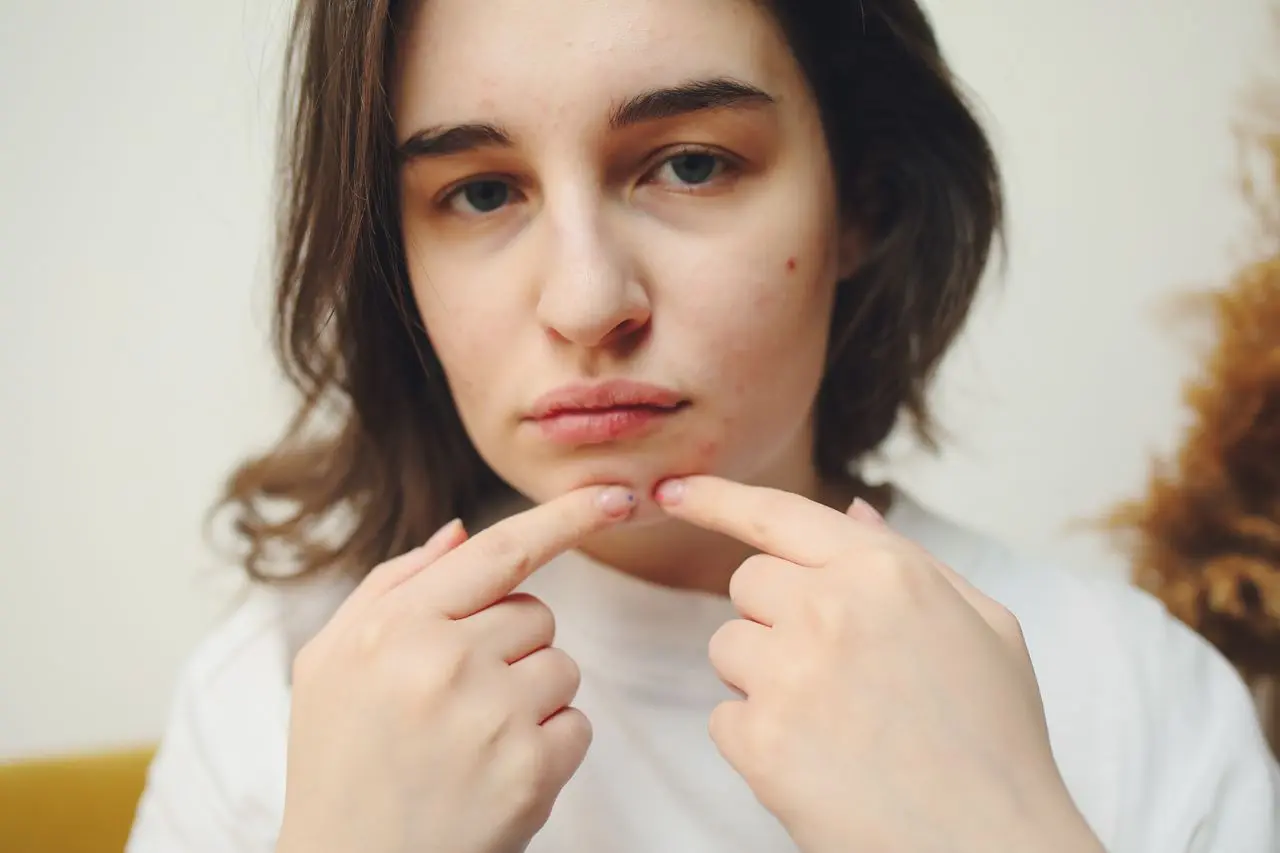
A few months ago I was on a bit of a healthy-eating streak. I had cut out most of the obvious junk, I was drinking more water, and I had started snacking on red grapes instead of reaching for biscuits in the afternoon. It felt like a genuine win. Then my skin started acting up — a few stubborn spots along my jaw — and I found myself asking the one question I had never properly considered: can grapes cause acne?
I went online looking for a straight answer and found the usual chaos. One blog told me to drop fruit entirely because of natural sugar. Another called grapes a skin superfood. I spent more time reading contradictory takes than I did actually understanding what was happening. That frustration is exactly why I decided to dig deeper — past the surface-level advice and into the actual science.
What I found genuinely surprised me. Not only is the answer to can grapes cause acne a fairly clear no when you understand the mechanism, but the research around grapes and skin health points in almost entirely the opposite direction to what most people assume. I want to share all of that with you here — honestly, clearly, and in a way that actually makes sense.
Table of Contents
What Actually Causes Acne — And Why This Matters First
Before we talk about grapes and your skin, we need to get one thing straight: no single food has ever been scientifically proven to directly cause acne. That is not me downplaying the diet–skin connection. It is genuinely how acne works.
The Real Drivers of Breakouts
Acne is what dermatologists call a multifactorial condition. It develops when several forces collide at once: excess sebum production, clogged pores, bacterial colonisation by Cutibacterium acnes, chronic low-grade inflammation, hormonal fluctuations, and genetics. Diet can influence several of these — but only as one variable among many, not as a standalone trigger.
I used to think my breakouts were always caused by something I ate the night before. It took me a long time to understand that my skin was responding to patterns over time, not single ingredients. That shift in thinking changed everything.
The IGF-1 and Insulin Link — The Mechanism That Actually Matters
Here is the key science. High-glycaemic foods spike blood glucose rapidly, which triggers a surge of IGF-1 — insulin-like growth factor 1. Elevated IGF-1 directly stimulates the sebaceous glands to produce more oil, worsening acne in people who are already sensitive to these fluctuations.
The foods most consistently linked to acne through this mechanism are skimmed milk, whey protein, white bread, refined cereals, processed sugars, and sugary drinks. These are the genuine dietary culprits. Whole fruit — including grapes — does not fit this profile, and here is why.
Can Grapes Cause Acne? The Direct, Honest Answer
No. There is no scientific evidence linking whole grape consumption directly to acne. Grapes contain no dairy proteins, no trans fats, and no refined processed sugar — the three most strongly evidence-linked dietary contributors to breakouts.
Why Whole Grapes Are Different From Sugary Foods
The natural sugar in grapes — primarily glucose and fructose — does not behave the same way as added sugar in a chocolate bar or fizzy drink. When you eat a whole grape, that sugar is packaged together with fibre, water, and antioxidants that slow its absorption into the bloodstream. The glycaemic response is genuinely blunted. The insulin spike is gentler. The cascade that leads to excess sebum is simply not triggered in the same way.
I had always assumed sugar was sugar. Once I understood that food matrix matters — that the same sugar in a whole fruit behaves metabolically differently from sugar in a processed snack — everything clicked into place.
When Grapes Might Indirectly Affect Your Skin
There are two genuine edge cases worth being honest about. First: eating very large portions of grapes in one sitting — three or four cups — can push your overall glycaemic load high enough to produce an insulin response in people who are insulin-sensitive. This is not a grape problem. It is a portion problem.
Second: raisins. Dried grapes are not the same as fresh grapes. The drying process removes nearly all the water and concentrates the sugar dramatically. A cup of raisins carries a significantly higher glycaemic index than a cup of fresh grapes, and for acne-prone skin, that difference is real and worth knowing.
Fresh whole grapes in a sensible daily portion of one to one and a half cups will not cause acne. That is the clear-cut answer backed by the science.
What Grapes Actually Do to Your Skin — This Part Genuinely Surprised Me
I went into my research expecting to find a neutral verdict on grapes and skin. What I found instead was that grapes — especially red and black varieties — contain compounds that have been actively studied as potential acne treatments. That completely changed how I thought about this fruit.
Resveratrol — A Natural Enemy of Acne Bacteria
Researchers at UCLA published a study demonstrating that resveratrol — the polyphenol concentrated in red and black grape skins — actively inhibits the growth of Cutibacterium acnes, the bacteria directly responsible for the infected, inflamed breakouts most people recognise as acne.
What makes this finding remarkable is how resveratrol works. Using high-powered microscopy, the researchers observed that the bacteria cells lost structural definition in their outer membranes — resveratrol appears to weaken and disrupt the bacteria at a cellular level. When combined with benzoyl peroxide — a standard topical acne treatment — resveratrol enhanced its bacterial-killing ability. A separate clinical study applying a resveratrol-based gel to 20 acne patients found measurable therapeutic improvements.
When I first read this, I had to stop and re-read it. The same fruit I had been nervously treating as a skin risk was being studied as a potential acne treatment. That is a significant reframe.
Anti-Inflammatory Antioxidants That Calm the Skin
Grapes — particularly the darker varieties — are rich in anthocyanins, the pigments giving red and purple grapes their deep colour. These are potent antioxidants that neutralise free radicals and reduce oxidative stress in skin cells. Both worsen inflammatory acne, so this matters directly.
Resveratrol also inhibits pro-inflammatory signalling pathways within skin cells, helping reduce the redness and swelling around active lesions. Vitamin C in grapes supports collagen synthesis and wound healing — critical for reducing post-acne scarring. And Vitamin K helps address the discolouration and lingering redness that outlasts the breakout itself. These are genuinely useful nutrients for anyone with acne-prone skin.
Grapes, Your Gut, and the Skin Connection
One of the most compelling areas of current skin research is the gut–skin axis — the well-evidenced idea that the state of your gut microbiome directly influences systemic inflammation, which shows up on the skin. A disrupted gut microbiome is consistently linked to worsened acne.
The dietary fibre in grapes feeds beneficial gut bacteria and supports microbiome diversity. A published study found that regular grape consumption modulated gut microbiota abundance and enzyme levels in ways that have real implications for skin health through this gut–skin connection. I covered this pathway in detail in my article on the foods your gut is begging you to eat — it is directly relevant to anyone managing breakouts.
UV Protection — A Skin Benefit Nobody Talks About
A 2022 study published in the journal Antioxidants found that people who consumed approximately 2.25 cups of grapes daily for two weeks showed increased resistance to UV-induced skin damage and significantly reduced cellular markers of UV harm. Since UV-driven inflammation accelerates post-acne scarring and slows the healing of existing lesions, this protective effect is directly relevant to acne-prone skin — even if it rarely gets mentioned in this context.
Red Grapes vs. Green Grapes — The Colour Genuinely Matters for Your Skin
I used to buy whatever grapes were on offer. After going through this research, I changed that habit and here is why.
Red and black grapes contain dramatically higher concentrations of resveratrol, anthocyanins, and ellagic acid compared to green varieties. These are the compounds with the most direct relevance to acne — the antimicrobial action against acne bacteria, the anti-inflammatory effect on the skin, and the antioxidant protection from free radicals.
Green grapes are still a healthy, worthwhile choice — they provide Vitamin C, hydration, and fibre. But if you are specifically supporting acne-prone or inflamed skin, the darker varieties offer a level of skin-active compounds that green grapes simply cannot match. My fruit bowl is now almost exclusively red and black grapes, and while a single dietary swap will not single-handedly clear your skin, this one costs nothing extra and makes genuine sense.
How to Eat Grapes Without Any Worry About Your Skin
Portion Size and Timing
Staying within one to one and a half cups of fresh grapes per day keeps you well within a glycaemic load that will not affect insulin or sebum production for the vast majority of people. That is a generous, satisfying daily portion — plenty to enjoy the full antioxidant benefit without any concern.
In terms of timing, mid-morning or early afternoon are better windows than late evening for people with acne-prone skin. The body processes natural sugars more efficiently earlier in the day, and eating grapes alongside a midday snack with protein already present means any glycaemic response is genuinely minimal.
Smart Pairings That Keep Insulin Steady
Pairing grapes with protein or healthy fats — a handful of almonds, some Greek yoghurt, a slice of cheese — slows glucose absorption further and keeps your insulin response flat and stable. This is smart practice for anyone watching their skin, and it also makes grapes a more filling and satisfying snack. If you are managing both skin health and weight at the same time, I covered how grapes interact with weight management and how to pair them effectively in my piece on whether grapes can cause weight gain — useful reading alongside this one.
What to Actually Avoid if You Have Acne-Prone Skin
If you want dietary changes that genuinely move the needle for acne-prone skin, focus on the real evidence-backed culprits: skimmed milk, whey protein, white bread, refined cereals, sugary drinks, deep-fried foods, and ultra-processed snacks. These foods have clear, reproducible mechanisms linking them to worsened acne through the IGF-1 pathway. Grapes do not. Full stop.
My Honest Verdict — Grapes Are Not Your Skin’s Enemy
When I started looking into this, I genuinely did not know what I was going to find. I half expected to discover that even whole fruit was something I needed to moderate more carefully for my skin. What I found instead was the opposite — and honestly, it was a relief.
Grapes, especially red and black varieties, are one of the more skin-supportive foods you can eat. They contain a compound studied by UCLA researchers specifically for its ability to kill acne-causing bacteria. They are rich in antioxidants that reduce skin inflammation. They support collagen repair, protect against UV-induced damage, and feed the gut microbiome through a pathway that directly influences how your skin behaves.
My skin cleared up in those weeks because I reduced dairy and became more mindful of overall portion sizes — nothing to do with grapes. If anything, the resveratrol and anthocyanins in the red grapes I was eating were working in my skin’s favour the whole time.
Fear of natural fruit is not a skin strategy. Eating a balanced, lower-glycaemic diet — with whole grapes included — is far smarter than eliminating one of nature’s most potent anti-inflammatory foods based on misinformation. And if you ever notice any digestive discomfort after eating grapes, that is a completely separate topic — one I explored fully in my article on whether grapes can cause gas and digestive issues — worth reading if that is something you have experienced.
Frequently Asked Questions
Can grapes cause acne?
No. There is no scientific evidence that grapes directly cause acne. They contain no dairy proteins, no refined sugar, and no trans fats — the dietary factors most consistently linked to breakouts. The resveratrol and anthocyanins in red and black grapes have actually been shown to inhibit acne-causing bacteria and reduce skin inflammation.
Are grapes good or bad for acne-prone skin?
Grapes are beneficial for acne-prone skin in moderate portions. Red and black varieties are particularly valuable due to their high resveratrol and anthocyanin content, both of which demonstrate antimicrobial and anti-inflammatory effects directly relevant to acne.
Can eating too many grapes cause breakouts?
Only in very large quantities that push overall glycaemic load high enough to trigger an insulin response. Staying within one to one and a half cups of fresh grapes per day means this is not a realistic concern for the vast majority of people.
Are raisins worse than fresh grapes for acne?
Yes. Raisins have a significantly higher glycaemic index than fresh grapes because drying removes water and concentrates the sugar. For acne-prone skin, fresh whole grapes are the much better choice — always.
Do red grapes help acne more than green grapes?
Yes. Red and black grapes contain significantly more resveratrol and anthocyanins than green varieties — the compounds with the strongest evidence for inhibiting acne bacteria and reducing skin inflammation. For acne-prone skin, always choose darker grapes.
⚠️ Medical Disclaimer:
The information in this article is for educational purposes only and is not intended as medical advice. Always consult a qualified healthcare professional before making changes to your diet, skincare routine, or health plan.
4 thoughts on “Can Grapes Cause Acne?”