The Surprising Numbers That Changed How I Snack Every Day
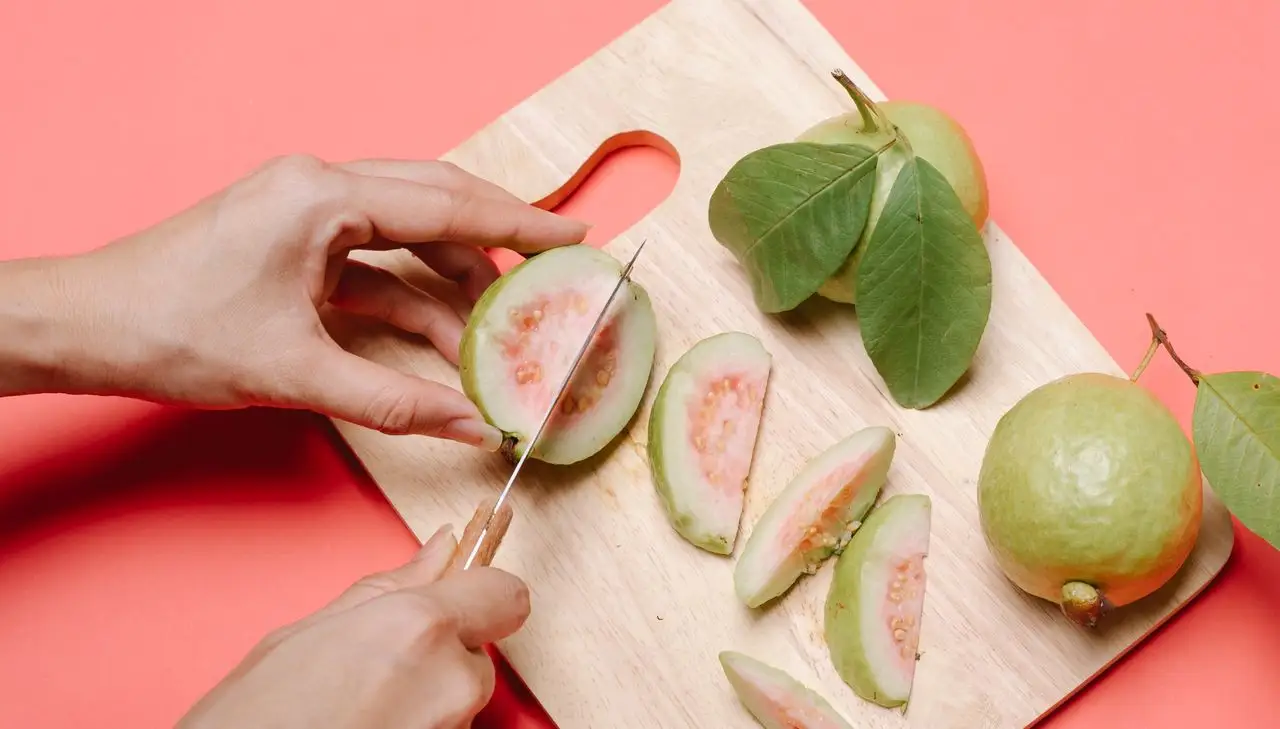
I had been eating guava for years without giving its nutrition a second thought. I bought it because it tasted good, I knew it was loaded with Vitamin C, and it felt like the right kind of fruit to have around. Then one afternoon, while logging my meals into a nutrition app, I actually looked at the protein number — and I stopped mid-entry. I had fully expected guava to sit somewhere near zero, the way most fruits do. Instead, the number staring back at me made me ask the question properly for the first time: does guava have protein?
The answer is yes — and honestly, the amount is more interesting than I expected. According to USDA FoodData Central, one medium guava contains approximately 2.55 grams of protein per 100 grams. That might not sound dramatic until you compare it to the fruits most of us eat every single day. Does guava have protein in amounts that can genuinely contribute to your daily nutrition? Absolutely. And in this article, I want to share the real numbers, how guava stacks up against other fruits, and how I now use it as a practical part of my daily snacking routine.
Table of Contents
So, Does Guava Have Protein? The Direct Answer First
The USDA Numbers — What the Data Actually Says
Let me give you the exact figures so there is no ambiguity. According to USDA FoodData Central, the most reliable nutritional database available:
- Per 100g of raw guava: 2.55g protein, 68 calories, 5.4g fibre, 228mg Vitamin C
- One medium guava (approx. 100g): roughly 2.55g of protein and just 68 calories
- One full cup of guava pieces (approx. 165g): approximately 4.2g of protein
- Zero cholesterol, virtually zero fat, zero sodium — an exceptionally clean nutritional profile
When I first saw that a single cup of guava delivers over 4 grams of protein from a fruit I had been treating as just a Vitamin C snack, I felt genuinely caught off guard. I had been leaving real nutrition value on the table without even knowing it.
How Much Protein Is That, Really?
Context matters here. A large egg contains approximately 6 grams of protein. One cup of guava gets you roughly 70 percent of the way there — from a fruit, not from an animal product, and at just 112 calories for that cup.
For comparison, here is what the most commonly eaten fruits deliver per 100 grams:
| Fruit | Protein per 100g |
| Guava | 2.55g ⭐ Highest |
| Avocado | 2.0g |
| Banana | 1.1g |
| Kiwi | 1.1g |
| Orange | 0.9g |
| Mango | 0.8g |
| Apple | 0.3g |
| Watermelon | 0.6g |
Source: USDA FoodData Centra
Guava sits at the very top of this list — ahead of avocado, more than double the protein of a banana, and nearly nine times more protein than an apple of the same weight. For a fruit most people have never thought of in protein terms, that is a remarkable position to be in.
What Kind of Protein Does Guava Contain?
Plant-Based Protein and Its Role in the Body
Guava’s protein is plant-based, containing both essential and non-essential amino acids that the body uses for tissue repair, enzyme production, and immune system function. It is not a complete protein in the way that meat or eggs are — meaning it does not provide all nine essential amino acids in sufficient quantities on its own — but as part of a varied diet, it contributes meaningfully.
What genuinely surprised me when I looked deeper was the nutritional synergy at work inside a guava. The Vitamin C and protein do not just coexist — they support each other. Vitamin C is essential for collagen synthesis, which is itself a protein-dependent process. The body cannot build collagen without both protein and Vitamin C. Guava provides both in the same fruit. That is an elegant nutritional combination that most people never think about when they reach for a snack.
Guava Seeds — The Hidden Protein Bonus
Here is something most people do not know: guava seeds are edible, nutritious, and add to the overall protein and fibre content you get from the whole fruit. Food science research has even explored guava seed protein isolate as a potential alternative protein source — which tells you something about the quality of the protein these seeds carry.
Eating guava whole — flesh and seeds together — gives you the maximum nutritional return. If you have been spitting the seeds out, you have been leaving both protein and fibre behind. I cover the full picture on guava seeds in my article on whether guava seeds can be eaten safely — it is worth reading if that has ever crossed your mind.
Guava Protein vs. Other Fruits — The Comparison That Stopped Me Cold
Most people grab a banana as a go-to healthy snack without realising guava delivers more than double the protein, nearly ten times the Vitamin C, and significantly more fibre — all at a lower glycaemic index. I made that switch and never looked back.
I used to reach for a banana after exercise without thinking. It was automatic — everyone said fruit gives you energy for recovery, and bananas were easy. What nobody told me was that guava was sitting quietly in the same fruit bowl, delivering more than twice the protein, a glycaemic index that keeps blood sugar steadier, and a Vitamin C payload that no banana comes close to matching.
Guava vs. Common Snacks on Protein-Per-Calorie
This comparison really clinched it for me. When you look at how much protein you get per calorie from guava versus the snacks most people default to, the numbers are striking:
- Guava: 2.55g protein at 68 calories per 100g — exceptional protein-to-calorie ratio
- Packet of crisps: approximately 2g protein at 150+ calories per 100g — less protein, more than double the calories
- Standard cereal bar: approximately 3g protein at 180 calories — similar protein at nearly three times the calorie cost
- Banana: 1.1g protein at 89 calories — less protein, higher GI, no comparison on Vitamin C
Guava is one of the most protein-efficient whole foods you can reach for as a snack. You are not trading nutrition for calories — you are getting more of both the good stuff with fewer of the calories that come with most alternatives.
The Full Nutritional Picture — Why Protein Is Just One Part of the Guava Story
Vitamin C — The Number That Stops People Cold
I have told a few people about guava’s Vitamin C content and almost every time the reaction is the same: disbelief followed by looking it up on their phone. 228mg of Vitamin C per 100g — that is 254 percent of the recommended daily intake in a single medium guava. An orange, by comparison, delivers approximately 53mg per 100g. Guava provides more than four times the Vitamin C of an orange at the same weight.
Vitamin C in guava is not just an immune booster. It actively supports the protein-dependent functions of the body — from collagen production to wound healing to iron absorption from plant-based foods. If you eat a plant-based or largely plant-based diet, pairing guava with iron-rich foods like lentils or spinach means the Vitamin C dramatically increases how much iron your body actually absorbs.
Fibre, Potassium, and Folate — The Supporting Cast
Beyond protein and Vitamin C, guava delivers a nutritional supporting cast that very few fruits can match:
- 5.4g of dietary fibre per 100g — supports digestion, feeds beneficial gut bacteria, and extends feelings of fullness after eating
- 417mg of potassium per 100g — more than a banana of equal weight; critical for heart function, blood pressure regulation, and muscle recovery
- 49μg of folate (Vitamin B9) — essential for cell repair and DNA synthesis, particularly important during pregnancy
- Lycopene (especially in pink-fleshed guava) — a powerful antioxidant associated with reduced inflammation and lower cardiovascular risk
When you add all of this together, you are looking at a fruit that is nutritionally dense in a way that is genuinely rare at its calorie cost.
Low Glycaemic Index — The Overlooked Advantage
Guava has a glycaemic index of approximately 31 — firmly in the low-GI category. This means the natural sugars in guava are released slowly and steadily into the bloodstream, avoiding the spike-and-crash cycle that comes with high-GI snacks.
For me, this matters practically. Low-GI foods support sustained energy, reduce untimely hunger between meals, and help with better blood sugar regulation over time. The fact that guava combines a low glycaemic index with real protein and exceptional fibre makes it one of the most metabolically intelligent snacks I have found.
Is Guava a Good Protein Source for Vegetarians and Vegans?
Where Guava Fits in a Plant-Based Diet
The honest answer is: yes, as a supplementary source — not a primary one. Guava is not going to replace lentils, chickpeas, tofu, or tempeh as the protein foundation of a plant-based diet. But as one component within a varied, well-planned diet, guava contributes meaningfully and consistently.
For anyone building daily protein from multiple plant sources — which is how plant-based nutrition is supposed to work — every source counts. A cup of guava adding 4.2g of protein alongside its Vitamin C, fibre, and potassium is not a small contribution. It is a smart, whole-food addition that costs almost no calories and comes with genuine nutritional extras.
Smart Pairings to Maximise Your Protein Intake
One of the most practical things I changed was how I eat guava. Instead of eating it alone, I started pairing it with other protein-rich foods — and the difference in how full and energised I felt through the afternoon was noticeable. Here are the combinations that work best:
- Guava + Greek yoghurt: adds 8–10g protein; the Vitamin C in guava also enhances iron absorption from the dairy
- Guava + a handful of almonds: approximately 9–10g combined protein with healthy fats for sustained satiety
- Guava + cottage cheese: a powerful, high-protein snack with excellent combined micronutrient density
- Guava in a smoothie with plant-based protein powder: boosts both protein and micronutrient content dramatically and tastes excellent
If you are wondering about combining guava with dairy specifically, I looked into this in detail in my article on whether guava and milk can be eaten together — it covers the digestive considerations and how to make the combination work.
How Much Guava Should You Eat Per Day?
Practical Daily Portion Guidance
Based on nutritional guidance and what I have found works in practice, one to two medium guavas — roughly 100 to 200 grams daily — is a healthy, sustainable daily amount for most adults.
At 200g per day, you are getting approximately 5 grams of protein from guava alone. For a 70kg adult targeting the WHO minimum of 56g of daily protein, that represents almost 9 percent of total daily protein needs from a fruit at just 136 calories. Stack that alongside your other meals and snacks and it becomes a genuinely useful contribution — not a replacement for protein-rich foods, but a consistent, low-effort addition that makes your overall diet more nutritionally complete.
Best Time to Eat Guava for Nutritional Benefit
Timing actually matters more than most people realise with guava:
- Morning on an empty stomach: optimal nutrient absorption; fibre supports gut health from the start of the day — I explored this in detail in my article on whether guava can be eaten on an empty stomach if you want the full picture
- Pre or post-workout: the natural sugars provide quick, clean energy; the protein supports muscle tissue repair during recovery
- Mid-afternoon snack: the low GI keeps energy stable; protein and fibre together prevent the typical 3pm energy crash that sends most people reaching for something sugary
That afternoon snacking window is now my main guava moment. A cup of guava pieces alongside a handful of almonds has completely replaced what used to be a cereal bar or biscuit habit — and I feel the difference in sustained energy going into the evening.
My Honest Verdict — Guava Is the Most Underrated Protein Fruit I Know
I spent years eating bananas after workouts because everyone said fruit gives you energy for recovery. Nobody told me that guava delivers nearly three times the protein of a banana, more Vitamin C than any citrus fruit on the planet, and keeps your blood sugar steadier the whole time. That was information I deserved earlier.
I came into this question without high expectations. What I found was a fruit that quietly outperforms almost every other common fruit on protein, combines that with one of the most remarkable Vitamin C profiles in the plant kingdom, delivers exceptional fibre and potassium, carries a low glycaemic index, and does all of this at just 68 calories per 100 grams. That is a nutritional overachiever by any honest measure.
Guava has genuinely changed how I shop and snack. It sits in my fruit bowl every week now, not just because of the taste — though the taste is excellent — but because I understand what it is actually doing for my body. When I eat guava alongside almonds in the afternoon, I am not just snacking. I am getting plant-based protein, collagen-supporting Vitamin C, gut-feeding fibre, and heart-healthy potassium in one handful of fruit. That is hard to beat.
Guava is not a protein supplement — it is something better. It is a whole food that happens to deliver more protein than almost any other fruit, wrapped inside one of the most complete nutritional packages in the plant kingdom. Start treating it that way and your snacking habits will never be the same. And if you want to know the best time of day to get the most out of it, my article on the side effects of eating guava at night covers timing considerations in detail.
Frequently Asked Questions
Does guava have protein?
Yes. Guava contains approximately 2.55 grams of protein per 100 grams according to USDA FoodData Central. One cup of guava pieces (around 165g) provides approximately 4.2 grams of protein — making guava one of the highest-protein fruits available.
How much protein is in one guava?
One medium guava weighing approximately 100 grams contains around 2.55 grams of protein. This is significantly more than a comparable portion of apple (0.3g), mango (0.8g), banana (1.1g), or orange (0.9g).
Is guava a good protein source for vegetarians and vegans?
Guava is a valuable supplementary plant-based protein source. While it cannot meet full daily protein needs alone, it contributes meaningfully when combined with other plant proteins such as lentils, beans, nuts, and seeds.
Which fruit has the most protein?
Guava is consistently ranked among the highest-protein fruits, alongside avocado. Per 100 grams, guava provides approximately 2.55g of protein — more than banana, mango, apple, orange, or kiwi. Only avocado comes close at approximately 2.0g per 100g.
What is the best way to eat guava for protein?
Eating guava whole — flesh and seeds together — maximises both protein and fibre intake. Pairing guava with a protein-rich food such as Greek yoghurt, almonds, or cottage cheese creates a balanced, high-nutrient snack. Morning or post-workout are ideal windows for protein utilisation.
⚠️ Medical Disclaimer: The information in this article is for educational purposes only and is not intended as medical advice. Nutritional needs vary between individuals. Always consult a qualified healthcare professional or registered dietitian before making significant changes to your diet.
8 thoughts on “Does Guava Have Protein?”