That Changes How You Should Eat the Fruit
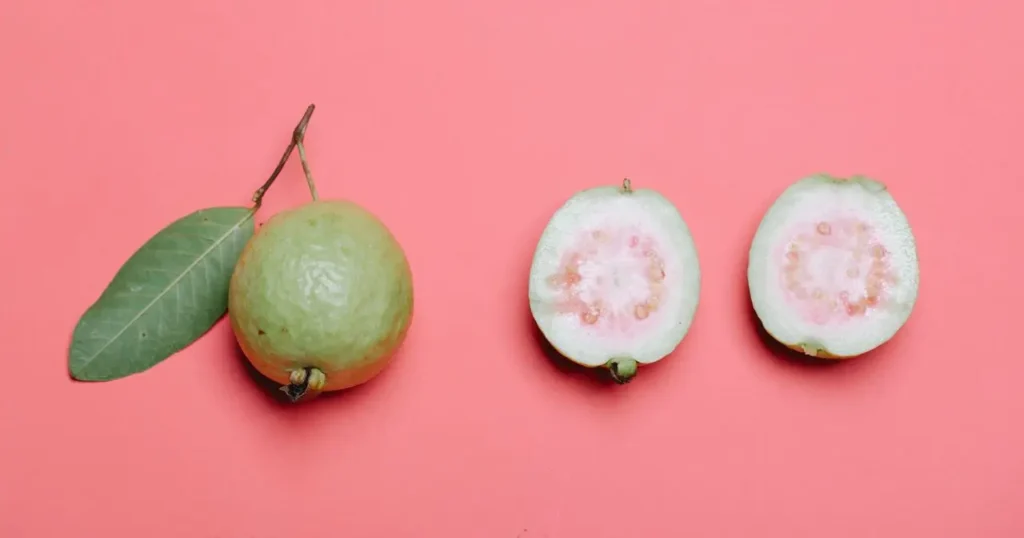
I had eaten guava dozens of times before it ever occurred to me to wonder about the seeds. I bit in, chewed — sometimes thoroughly, sometimes not — swallowed, and moved on. It was part of the fruit. That was the extent of my thinking. Then, during a period when I was paying much closer attention to everything I consumed as part of building this site, a family member casually asked me a question I had no good answer for: should you actually be eating those guava seeds, or are they doing something in there you don’t know about?
The honest answer was that I did not know. I researched it properly, the way I research everything I write about here, and what I found genuinely changed how I eat the fruit. It was not alarming — but it was illuminating. This article is the complete, evidence-backed picture of what guava seeds actually are, what they contain, who should approach them with care, and the one practical change to how you eat them that makes a meaningful difference to what you get out of them.
Table of Contents
What Are Guava Seeds, Exactly?
The Anatomy of a Guava
A single guava fruit contains anywhere between 100 and 500 small, hard seeds concentrated in the central seed cavity — the softer, more densely packed middle section of the fruit. The seeds are cream or pale yellow in colour, roughly 3 to 4mm in size, with a firm, slightly waxy outer shell.
Unlike the seeds of most other fruits you might encounter — mango, avocado, peach — guava seeds are small enough to swallow without effort or intention. Most people who eat guava consume the seeds without ever making a conscious decision to do so. They are simply part of the eating experience, unremarkable and largely unconsidered.
That invisibility, I came to understand, is part of why so few people know what those seeds are actually doing inside them.
Are Guava Seeds the Same as Other Fruit Seeds?
This is the question that matters most from a safety standpoint, and the answer is genuinely reassuring. Many larger fruit seeds — apple pips, cherry stones, apricot kernels — contain amygdalin, a naturally occurring compound that the body converts to hydrogen cyanide during digestion. In small quantities this is not typically dangerous, but it is a real biochemical concern with habitual consumption.
Guava seeds contain no amygdalin and no known toxic compounds of any kind. Their composition is structurally similar to the seeds found in berries — small, hard, fibrous, and designed by nature to pass through the digestive system intact. This is how guava reproduces in the wild: seeds travel through the gut of an animal and are deposited elsewhere, viable, in the same hard shell that protected them.
When I found this out, I felt a quiet sense of relief about years of casual seed-swallowing — and then a growing curiosity about what I might have been missing by not paying them more attention.
The Truth About Whether Guava Seeds Are Safe to Eat
Let me give you the direct answer first, and then the nuance that actually matters. Guava seeds are safe to eat for the vast majority of healthy adults. Full stop. There is no toxicity concern, no documented harm from regular consumption, and no reason to remove them if you are a healthy person eating the fruit in normal quantities.
But here is what changed how I personally eat the fruit: the word “safe” and the word “beneficial” are not the same thing. And the difference between them comes down entirely to one simple behaviour — whether you chew them or swallow them whole.
“Swallowing guava seeds whole is safe. Chewing them properly is smart. The hard outer shell of each seed is designed by nature to resist digestion — which means a swallowed-whole seed exits your body largely intact, and you receive almost none of the nutritional value locked inside it.”
What Happens When You Swallow Guava Seeds Whole
The hard outer shell of a guava seed is its evolutionary protection. It is engineered to survive passage through a digestive system — that is the entire biological point. When you swallow a seed whole, your stomach acid softens it slightly but does not break it down meaningfully. It passes into the small intestine largely intact, moves through without releasing its nutritional content, and reaches the large intestine where gut bacteria make one final attempt at fermentation.
For most people, the seeds exit completely without incident. You will not feel them. You will not notice them. Nothing harmful happens. But — and this is the point I want you to take away — you also receive almost no nutritional benefit from seeds that travel through your gut with their shell entirely intact.
There is one important exception to the “nothing harmful happens” rule, and I will cover it in the next section for people with specific gut conditions.
What Happens When You Chew Guava Seeds Properly
Chewing breaks the hard outer shell mechanically — the same work that stomach acid is not efficient enough to do on its own. Once the shell is broken, the compounds inside become bioavailable: the fibre can be fermented by gut bacteria, the polyphenols can be absorbed through the intestinal wall, and the fatty acids can be processed and utilised.
This is not a dramatic difference in the eating experience. The seeds have a slightly nutty, mild flavour when chewed. They do not taste unpleasant. And the nutritional return from chewing them deliberately — rather than letting them pass through intact — is genuinely meaningful, as the next section explains.
The Nutritional Profile of Guava Seeds
I want to be honest about this section: I did not expect to find much. I assumed the seeds were largely inert — structural filler in the fruit with minimal nutritional relevance. What I actually found was considerably more interesting.
Dietary Fibre — The Primary Benefit
Guava seeds are meaningfully rich in dietary fibre — both soluble and insoluble forms. Soluble fibre absorbs water in the gut, forms a gel-like substance, and feeds the beneficial bacteria of the microbiome. Insoluble fibre adds bulk to stool and accelerates intestinal transit — supporting regularity and reducing constipation risk.
The seeds contribute to guava’s overall fibre profile of approximately 5.4 grams per 100g — one of the highest figures among commonly eaten fruits. When seeds are properly chewed, their fibre is released and joins this total effectively. When swallowed whole, the contribution is significantly reduced.
Antioxidant Compounds — More Than Expected
Research on Psidium guajava — guava’s botanical name — published in the Journal of Food Science and related nutritional literature has confirmed significant antioxidant activity in seed extracts. The seeds contain polyphenols and flavonoids including quercetin and kaempferol — the same compounds that make guava leaves medicinally valuable in traditional medicine across South Asia and Central America.
Quercetin has been studied for anti-inflammatory, anti-viral, and cellular-protective properties. Kaempferol has been linked in research to cardiovascular protection and metabolic health support. These are not fringe compounds — they are among the most studied plant bioactives in current nutritional science.
Essential Fatty Acids — The Surprise
This was the finding I genuinely did not anticipate. Guava seeds contain a notable concentration of linoleic acid (an omega-6 fatty acid) and linolenic acid (an omega-3 precursor). Cold-pressed guava seed oil is used in premium skincare formulations and nutritional supplements specifically because of this fatty acid composition — its regenerative and anti-inflammatory properties are well-established in cosmetic science.
In the context of eating the whole fruit, the fatty acid content of the seeds is modest in absolute terms. But when seeds are properly chewed and the shell broken down, a portion of these fatty acids becomes available for absorption — a contribution that whole-swallowed seeds simply cannot make.
Protein and Trace Minerals
Guava seeds also contribute small amounts of protein, zinc, magnesium, and iron. Individually, these amounts are not clinically significant in the context of a normal serving of fruit. Cumulatively, however, they add to the argument that the seeds are an active nutritional component of the fruit — not neutral filler.
Who Should Be Careful with Guava Seeds
For the majority of healthy adults, guava seeds eaten in the normal course of consuming the fruit present no concern whatsoever. But there are specific groups for whom a little extra thought is warranted.
People with Diverticular Disease
Diverticulosis involves small pouches or sacs that form in the colon wall. Historically, NHS guidance advised people with this condition to avoid small, hard seeds — the concern being that seeds could become trapped in these pouches and trigger diverticulitis (inflammation). More recent research has somewhat softened this position, with evidence suggesting that a high-fibre diet — seeds included — may actually be protective rather than harmful.
However, if you have been diagnosed with diverticular disease, the prudent course is to discuss seed consumption with your GP before making guava seeds a regular fixture. Individual anatomy and disease severity vary, and this is a decision best made with your own medical history in front of you.
People with Irritable Bowel Syndrome
The hard outer shell of a guava seed can act as a mechanical irritant in a hypersensitive gut. For people with IBS, whole seeds that pass through without being properly chewed may exacerbate symptoms — particularly in those with a diarrhoea-predominant or mixed pattern. Chewing seeds thoroughly, rather than swallowing whole, reduces this risk significantly by eliminating the hard-shell mechanical factor.
I covered in detail how guava’s overall fibre and acid profile affects a sensitive digestive system — including the timing of consumption and its effects — in a separate article worth reading alongside this one. The piece on how guava’s overall fibre profile affects a sensitive digestive system gives the broader picture that puts seeds into context.
Babies and Young Children
This is non-negotiable: guava seeds must be completely removed before giving guava to babies under 12 months. The hard seed presents a genuine choking hazard for very young children and adds a difficult-to-process element to an immature digestive system that is not yet equipped to handle it. Even for older toddlers, removing the dense seed centre is the safest preparation approach.
I covered exactly this in detail — including why the seed preparation step is the single most critical part of giving guava to a baby — in my complete guide to giving guava to infants safely. If you are preparing guava for a child, please read that first.
People with Dental Sensitivity
Chewing guava seeds properly — which is the recommended approach for anyone who wants to access their nutritional content — involves biting down on a hard surface with some force. For people with sensitive teeth, dental crowns, weakened enamel, or recent dental work, this may be genuinely uncomfortable.
For this group, removing the seeds before eating is entirely reasonable and involves no meaningful nutritional loss from the fruit itself. The guava flesh outside the seed cavity contains the same Vitamin C, potassium, folate, and Vitamin A that makes the fruit worth eating. The seeds are an addition, not a foundation.
“The question is not simply whether guava seeds are safe — they are. The question is whether you are eating them in a way that gives your body access to what is inside them. That answer depends entirely on one thing: are you chewing them?”
Chew or Swallow? The Definitive Answer
After all the research, I want to give you my honest personal position — not a clinical recommendation, but the informed choice I make for myself every time I eat guava.
I chew the seeds now. Not aggressively or obsessively — I do not count them or make it a project. But when I reach the denser seed section in the middle of the fruit, I slow down slightly and chew more deliberately. I break the seeds down. I notice a mild, slightly nutty undertone that I never paid attention to before. And I know I am accessing something that was always there but previously passing through me without contributing anything.
That small shift in attention — it costs nothing and takes seconds. It is the difference between a food that is safe and a food that is genuinely beneficial.
The Practical Guidance — Clear and Simple
- If you are a healthy adult with no gut conditions: eat the seeds, chew them thoroughly, and benefit from their fibre, antioxidants, and fatty acids. No need to remove them.
- If you have IBS or a sensitive gut: chew seeds carefully rather than swallowing whole. If symptoms consistently worsen, remove them and focus on the flesh.
- If you have diverticular disease: consult your GP before making seeds a regular part of your diet.
- If you are preparing guava for a baby: remove every seed completely — no exceptions for babies under 12 months.
- If you have dental sensitivity: remove the seeds. You will not be missing the core nutritional benefit of the fruit.
How Guava Seeds Fit Into the Bigger Picture of Eating Guava Well
Understanding guava seeds is one piece of a much richer picture about how to get the most from this extraordinary fruit. The seeds are not the only variable that determines whether guava works for or against you.
When you eat guava matters as much as how you eat it. Eating guava on an empty stomach in the morning delivers maximum nutritional benefit — metabolic rate and digestive enzyme activity are both at their daily peak in the first half of the morning, which means the Vitamin C is absorbed more completely, the fibre is processed more efficiently, and the natural sugars are metabolised without disrupting sleep or hormonal balance.
The timing of fluids also matters more than most people realise. Whether drinking water immediately after guava helps or hinders digestion is a question with a specific evidence-backed answer — and it affects how the seeds behave in the gut, not just the flesh.
I have come to think of guava as a fruit that rewards attention. It is generous nutritionally — one of the most nutrient-dense fruits you can eat — but it gives more to the person who eats it with a degree of deliberateness. Seeds chewed rather than swallowed. Timing considered rather than arbitrary. Portions measured rather than mindless. None of this is difficult. All of it makes a difference.
Frequently Asked Questions
Can you eat guava seeds?
Yes. Guava seeds are completely safe to eat for most healthy adults. They contain no toxic compounds and pass naturally through the digestive system. For maximum nutritional benefit, chew them thoroughly — swallowing them whole means the hard outer shell prevents digestion and you receive little of the fibre, antioxidants, or fatty acids inside.
Is it safe to swallow guava seeds whole?
For most people, yes — swallowing guava seeds whole is physically safe. They exit the digestive tract naturally without harm. However, whole seeds provide minimal nutritional benefit because the shell prevents digestion. People with diverticular disease, IBS, or sensitive gut conditions should be more cautious and may benefit from removing seeds before eating.
What happens if you eat too many guava seeds?
Eating very large quantities — more than from several whole fruits at once — can cause bloating, gas, or abdominal discomfort in sensitive individuals, particularly if seeds are swallowed whole. Moderate consumption within the context of a normal portion of guava is well-tolerated by most healthy people with no adverse effects.
Do guava seeds have any nutritional benefits?
Yes. Guava seeds contain dietary fibre, antioxidant polyphenols including quercetin and kaempferol, essential fatty acids (linoleic and linolenic acid), and small amounts of protein, zinc, magnesium, and iron. These compounds are only accessible when seeds are properly chewed. Cold-pressed guava seed oil is used in premium nutritional and skincare products for its omega fatty acid content.
Should I remove guava seeds before eating?
Removing seeds is not necessary for healthy adults, but it is the right choice for babies under 12 months (choking hazard and digestive burden), people with diverticular disease (seek GP guidance), anyone with IBS who finds seeds irritating, and people with dental sensitivity who cannot comfortably chew hard seeds. Everyone else can safely chew and benefit from them as part of the whole fruit.
The Bottom Line — Eat the Seeds, But Eat Them Right
I think back to that question — are you supposed to be eating those? — and I am genuinely glad it was asked. Not because the answer revealed danger. It did not. But because it revealed an opportunity I had been missing for years.
Guava seeds are not neutral filler. They are a small but genuinely nutrient-dense component of an already remarkable fruit. Fibre. Polyphenols. Essential fatty acids. Antioxidants. All of it locked inside a hard shell that only opens when you take the thirty extra seconds to chew properly.
That is the little-known truth about guava seeds. Not alarming. Not complicated. Just a small, deliberate shift in how you eat something you were probably already eating — and a meaningfully better nutritional return for making it.
Pure Vitality Tips — honest health content, researched with care, written for you.
Medical Disclaimer: This article is for informational purposes only and does not constitute medical advice. If you have a diagnosed digestive condition, please consult your GP or a qualified healthcare professional before making dietary changes.
1 thought on “The Little-Known Truth About Guava Seeds”