Introduction
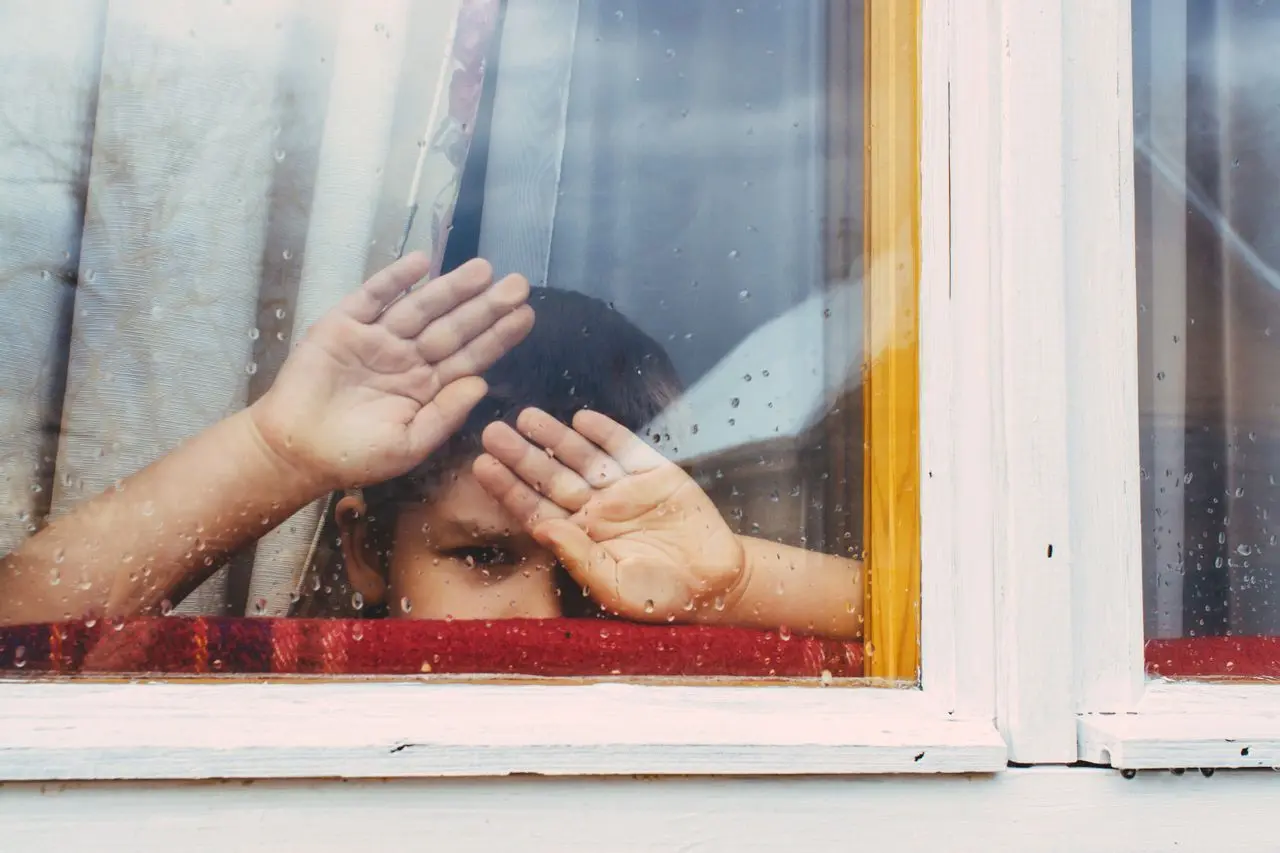
World Autism Awareness Day 2026 falls on April 2nd, under the UN theme “Autism and Humanity – Every Life Has Value,” and this year it means more to me than a date on the calendar. Watching someone close to my family navigate an autism diagnosis taught me that real support looks less like awareness campaigns and more like small, consistent shifts in how we listen, communicate, and make space for different minds.
For years, World Autism Awareness Day 2026 was something I noticed in passing: a blue ribbon on social media, a headline, a date I shook my head at without even thinking about it. That changed when someone close to my extended family began the long process of understanding that their son communicates, plays, and understands the world very differently than other children his age. Seeing this trip up close made me want to know what World Autism Awareness Day 2026 representsbeyond the film.
What emerges is not a clinical evaluation straight out of a textbook. That’s what I’ve really learned this year — from research, from interacting with people who have followed me down this path, and from seeing someone guiding my loved one into a system that, while well-intentioned, continues to move slowly and communicate less explicitly as families need.
Table of Contents
Why This Day Matters to Me Personally
I’ll be honest about where I started. Before this became personal, my understanding of autism came almost entirely from outdated stereotypes — the idea that it looked one particular way, presented in childhood, and stayed fairly consistent across every person who had it. None of that turned out to be accurate.
Watching a family member go through assessments, waiting lists, and a diagnosis that took far longer than it should have, taught me how much misunderstanding still surrounds autism, even among well-meaning people. I found myself asking questions I was embarrassed I didn’t already know the answers to, and that discomfort is exactly what pushed me to write this properly rather than skim past it again this year.
One thing that stood out immediately was how differently people around the family reacted once a diagnosis was mentioned. Some responded with genuine curiosity and support. Others, without meaning any harm, offered comments rooted in outdated ideas — comments about “growing out of it” or trying a particular diet, none of which reflected anything close to current evidence. Watching those reactions taught me just as much as the research did.
What World Autism Awareness Day Actually Is
World Autism Awareness Day falls on April 2nd every year, established by a United Nations General Assembly resolution in 2007. This year’s theme, “Autism and Humanity – Every Life Has Value,”, organised by the Institute of Neurodiversity alongside the UN Department of Global Communications, centres on affirming the dignity and worth of every autistic person, not just raising general awareness that autism exists.
That distinction matters more than it might first appear. Since 2021, many organisations — including the Autism Society of America, whose 2026 campaign is “Celebrate Differences” — have deliberately shifted their language from “awareness” toward acceptance. Awareness simply means knowing autism exists. Acceptance means actively valuing autistic people as they are, rather than treating autism as something to quietly tolerate or, worse, something to fix.
Around the world, the day is marked in fairly visible ways — landmarks lit up in blue as part of the long-running “Light It Up Blue” campaign, community walks, school assemblies, and workplace conversations about neuroinclusive environments. None of that is inherently wrong, but it’s worth noticing that a single symbolic day means very little if it isn’t backed by the harder, less visible work the rest of the year: shorter assessment waiting lists, better-trained teachers, and workplaces that actually accommodate different communication styles rather than posting about acceptance once a year and moving on.
What Autism Actually Is, in Plain English
Autism, or autism spectrum disorder, is a lifelong neurodevelopmental condition that affects how a person communicates, interacts socially, and experiences the world around them. According to the WHO, roughly 1 in every 127 people globally is diagnosed with autism, making it one of the most common neurodevelopmental conditions worldwide.
The word “spectrum” is doing a lot of work in that definition, and it’s worth taking seriously. Autism doesn’t present the same way in any two people. Some autistic individuals need significant daily support; others live entirely independently and simply process sensory input, social cues, or communication differently than a neurotypical person would. Reducing autism to a single stereotype — verbal or non-verbal, high-functioning or low-functioning — flattens a genuinely wide range of real, individual experiences.
One misconception I had to unlearn myself: autism is not caused by parenting style, vaccines, or anything a parent did or didn’t do during pregnancy. Current evidence points to a combination of genetic and neurological factors, and no credible research supports the vaccine myth that continues to circulate online despite being thoroughly debunked.
Genetics play a substantial role, more than most people realise. Studies of identical twins show that when one child has autism, the other has a notably high chance of also being autistic, which points strongly toward biological and neurological roots rather than anything environmental in the way it’s often assumed. That single fact reframed a lot of the guilt I noticed within my own family — the quiet, unspoken wondering about what “caused” it.
What I’ve Learned From Someone Close to Me
The diagnosis process for my family member’s child took over eighteen months from the first concern being raised to an actual assessment. That delay is common — many families describe a similar wait, often navigating long assessment queues while trying to support a child whose needs aren’t yet formally understood or accommodated at school.
During that wait, the hardest part wasn’t the uncertainty about autism itself — it was the lack of formal support while everyone involved, teachers included, tried their best to guess at what a young child needed without a clear framework to work from. It’s a gap in the system that families across the world describe almost identically, regardless of where they live, and it’s one of the clearer arguments for why funding and staffing for early assessment services genuinely matters, not just as a policy talking point but as something that shapes a real child’s early years.
“The moment that changed everything for our family wasn’t the diagnosis itself — it was realising that every behaviour we’d found confusing actually made complete sense once we understood it as a different way of processing the world, not a problem to correct.”
What surprised me most was how much overlap there can be between autism and other developmental conditions in the early stages of assessment. I’d read, while researching a completely different article, how children with certain rare neurodegenerative conditions are frequently misdiagnosed with autism spectrum disorder during the early diagnostic process, which underlined just how important a thorough, patient assessment really is, rather than an early label applied too quickly.
Early Signs Parents Often Ask About
According to NHS and CDC guidance, early signs can include limited eye contact, delayed speech or language development, repetitive behaviours or intense focus on specific interests, and difficulty with changes in routine. These signs typically become noticeable between ages 2 and 3, though some families notice differences even earlier.
It’s worth stressing that these signs alone don’t confirm anything. Plenty of neurotypical toddlers show some of these traits at different developmental stages. What matters is a proper assessment by a paediatrician or specialist, not a checklist completed at home or, worse, a diagnosis attempted through a social media video.
Early support — not an early “cure,” which isn’t a concept that applies here — genuinely does make a difference. Speech and language therapy, occupational therapy, and structured educational support tend to have the most impact when they start as early as possible, which is exactly why timely, unhurried assessment matters so much.
I also learned that girls are diagnosed with autism far less often than boys, not necessarily because they’re less likely to be autistic, but because autism can present differently — often with more subtle social masking — in girls, which frequently delays diagnosis even further. That gap alone is reshaping how clinicians are trained to assess children today, and it’s worth knowing if you suspect a daughter, niece, or granddaughter might be autistic but haven’t seen it reflected in the more commonly discussed signs.
How to Support an Autistic Child or Family Member
The most useful shift I made personally was moving from trying to change behaviours to trying to understand what they were communicating. A meltdown in a loud supermarket usually isn’t defiance — it’s often sensory overload, and the most effective response is a calmer environment, not a stricter one.
Practical, respectful support tends to include predictable routines, clear and direct communication, sensory-friendly environments where possible, and patience with different social styles rather than expecting eye contact or small talk to look the way it does for a neurotypical person. None of this requires an expert — it requires attention and a willingness to adapt the environment rather than expecting the person to constantly adapt themselves.
Language matters more than I originally appreciated too. Many autistic adults prefer identity-first language — “autistic person” rather than “person with autism” — because autism is understood as a core part of identity rather than something separate to be carried. Not everyone agrees on this, and the respectful approach is simply to ask the individual, or their family, what they prefer, rather than assuming one convention applies universally.
It’s also worth acknowledging the toll this can take on parents and carers. I’ve written before about the five evidence-based habits that genuinely support mental wellbeing, and I’ve watched firsthand how much those small, consistent habits mattered for my family member during an exhausting, emotionally heavy assessment period. Supporting an autistic family member well often means supporting the carer too, not just the child.
There’s also a broader lesson here that extends beyond autism specifically: understanding a family member’s health condition properly, rather than relying on assumptions, tends to be the thing that changes outcomes most. I’ve seen the same pattern writing about chronic conditions that run in families and require ongoing understanding rather than a single diagnosis moment — the initial diagnosis is rarely the end of the learning process for a family.
How I’m Marking World Autism Awareness Day 2026
This year, rather than sharing a generic awareness post, I’m making a point of actually listening to autistic adults describing their own experiences, rather than only hearing about autism secondhand through parents and carers. Their perspective has already reshaped how I think about language, patience, and what genuine acceptance looks like in daily life, not just on one day in April.
It’s also reminded me that big adjustments — whether that’s a family adapting to a new diagnosis or simply someone rebuilding their routine and confidence later in life — tend to go better when they happen gradually, with support, rather than all at once. That’s true for autistic children and their families just as much as it’s true anywhere else in health and wellbeing.
Conclusion
Commemorating World Autism Awareness Day 2026 means more to me this year than ever before. It’s no longer a saying that I quietly acknowledge and has now become a real motivator for me to keep learning, listening, and how I present myself to people in my life who feel the world differently. Awareness was always a starting point: acceptance and understanding is where the real work happens.
If I’d like anyone reading this, whether or not autism directly affects your family, it’s that the small, unappealing aspects of support — patience, frank communication, and willingness to adapt to the environment — are more important than any awareness campaign. This is the version of the day that I will carry forward this year and beyond.
Frequently Asked Questions
When is World Autism Awareness Day 2026?
World Autism Awareness Day 2026 falls on Thursday, April 2nd, as it does every year, established by the United Nations in 2007.
What is the difference between autism awareness and autism acceptance?
Awareness means knowing autism exists; acceptance means actively valuing and including autistic people as they are, rather than treating autism as something to tolerate or fix.
What are early signs of autism in toddlers?
Common early signs include limited eye contact, delayed speech, repetitive behaviours, and difficulty adjusting to changes in routine, typically noticed around ages 2 to 3.
Is autism a disability or a difference?
Autism is recognised as both a neurodevelopmental disability under many legal frameworks and a natural form of human neurodiversity, and these two framings aren’t contradictory.
How can I support an autistic person in my life?
Focus on clear communication, predictable routines, sensory-friendly environments, and patience with different social styles, rather than expecting them to adapt to neurotypical norms.
Disclaimer:
This article reflects personal observation and general research and is for informational purposes only — it is not medical or diagnostic advice. Please consult a paediatrician or qualified specialist for any concerns about a child’s development.

2 thoughts on “World Autism Awareness Day 2026”
Comments are closed.