The Number I Didn’t Take Seriously Until I Had To
Direct / Short Answer
High blood pressure develops silently in most people, with no symptoms until it has already been straining your heart, kidneys and arteries for years. The encouraging part is that a meaningful percentage of cases respond well to specific, evidence-backed lifestyle changes, alongside medication when it is genuinely needed.
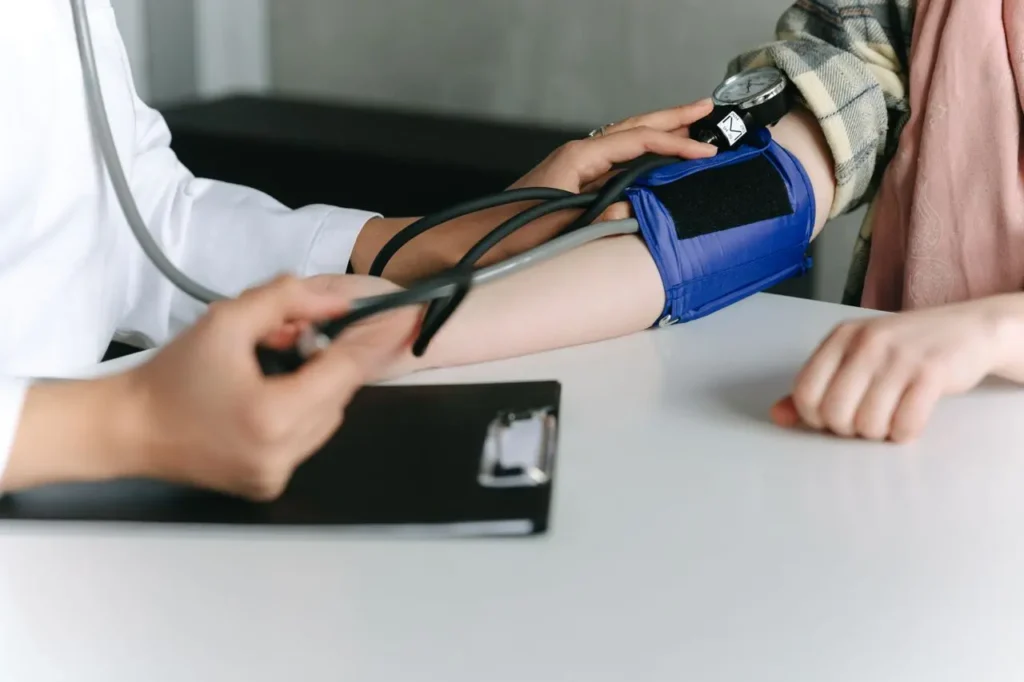
A while back, a routine check-up showed me a high blood pressure measurementthat I wasn’t expecting. Nothing special, no chest pain, no warning signs I can point to. There was a number in a fist that was more than it should have been, for someone who felt perfectly fine.
That’s why it’s so easy to ignore hypertension. I had no headaches, no obvious symptoms, nothing to indicate that there was something wrong. It was just a number, lying quietly, and it would have kept going up if no one had bothered to check it.
While writing about health, I have spoken many times about hypertension from afar. Reading it clinically and seeing your readings out of the ordinary are two completely different experiences. It changed the way I took my stats seriously, and that’s why I wanted to update this guide properly instead of leaving it as a dry list of facts.
Later, I also had to sit with a painful feeling: I asked readers for years to take their blood pressure regularly, while too much time passed between my checks. Good advice is easy to write. It is something completely different to act when something does not seem immediate.
Hypertension affects nearly one in three adults worldwide, and most, like me, don’t know something is wrong until they get a routine checkup.
Replace
Table of Contents
What High Blood Pressure Actually Is, and Why the Numbers Confuse People
Blood pressure is recorded as two numbers, and most people only vaguely remember what either one means. The first number, systolic pressure, measures the force in your arteries when your heart beats. The second, diastolic pressure, measures the pressure when your heart rests between beats.
Current guidelines classify readings into categories. A normal reading sits below 120 over 80. Elevated blood pressure falls between 120 to 129 systolic with diastolic still under 80. Stage 1 hypertension starts at 130 to 139 systolic or 80 to 89 diastolic. Stage 2 hypertension is 140 or higher systolic, or 90 or higher diastolic. A hypertensive crisis is anything above 180 over 120, and that requires immediate medical attention, not a wait-and-see approach.
Why It’s Called the “Silent Killer”
High blood pressure earns that nickname for a simple, frustrating reason. It rarely causes symptoms until it has already caused damage. Your arteries can be under sustained excess pressure for years, quietly straining the heart, kidneys and blood vessels, without you feeling a single thing.
By the time symptoms do appear, in many cases they signal that something more serious, like a heart attack or stroke, is already underway. This is exactly why regular monitoring matters more than waiting for your body to tell you something is wrong.
The comparison I found most useful, once I actually understood the mechanism, was thinking of your arteries like a garden hose left running under too much pressure for years. Nothing looks wrong from the outside for a long time. Then, eventually, something gives, often without warning.
What Causes High Blood Pressure
Lifestyle factors play a significant role for most people. High sodium intake, excess alcohol, physical inactivity, carrying excess weight, and chronic stress are all well-established contributors that raise blood pressure over time.
Non-lifestyle factors matter too, and it is worth saying clearly that this is not always something within your control. Genetics, age, and a family history of hypertension all increase risk regardless of how well you live. Sleep apnea is another significant, frequently overlooked contributor that many people are never screened for.
Quick fact
Secondary hypertension, where high blood pressure is caused by an underlying condition such as kidney disease, hormonal disorders, or certain medications, accounts for around 5 to 10 percent of cases. If your blood pressure is unusually high or resistant to typical treatment, it is worth asking your doctor about screening for these underlying causes specifically.
Symptoms Worth Knowing, Even Though Most People Have None
For the vast majority of people, high blood pressure produces no symptoms at all, which is exactly the problem. When symptoms do appear, they usually only show up at severely elevated readings, and can include headaches, vision changes, chest discomfort, or nosebleeds.
None of these should be treated as an early warning system you can rely on. If you experience any of them alongside a known high reading, that is a signal to seek medical attention promptly, not to monitor and wait.
I want to be direct about one more thing here, because I think it gets glossed over too often: waiting for symptoms before getting checked is one of the most common and most avoidable mistakes people make with this condition. The entire reason it is dangerous is that it does not announce itself.
How It’s Diagnosed and Monitored
At-home monitoring has become far more accessible and reliable in recent years. For an accurate reading, sit quietly for five minutes beforehand, keep your arm supported at heart level, and avoid caffeine or exercise in the thirty minutes before measuring. A single high reading is not a diagnosis on its own.
Doctors typically diagnose hypertension based on multiple readings taken on separate occasions, sometimes supported by 24-hour ambulatory monitoring, because blood pressure naturally fluctuates throughout the day and a single office visit can be skewed by simple anxiety about being at the doctor’s — a phenomenon clinicians genuinely call “white coat hypertension.”
Home monitoring, done consistently over a week or two, tends to give a far more honest picture than a single office reading, and most doctors will actually welcome you bringing that data to an appointment rather than relying solely on the reading taken in clinic.
The Real Health Risks If It Goes Unmanaged
Left unmanaged, chronically high blood pressure is one of the leading contributors to heart disease and stroke worldwide. It damages arterial walls over time, forces the heart to work harder than it should, and accelerates the buildup of arterial plaque — the same process linked to poor cholesterol management.
It also places significant strain on the kidneys, which rely on healthy blood vessels to filter waste effectively, and growing research links long-term uncontrolled hypertension to an increased risk of cognitive decline later in life. None of this happens overnight. It happens quietly, which is exactly why early management matters so much.
What Actually Lowers High Blood Pressure in 2026
This is the section I care most about getting right, because vague advice does not help anyone.
Sodium Reduction
Sodium reduction remains one of the most consistently evidence-backed interventions available. Most people consume far more sodium than recommended, largely from processed and restaurant food rather than the salt shaker at home. Reducing intake, even modestly, produces measurable improvements in blood pressure within weeks for many people.
Movement
Movement matters too, and it does not require anything extreme. Regular moderate activity, roughly 150 minutes a week according to most national guidelines, has been shown repeatedly to lower both systolic and diastolic readings meaningfully over time.
Sleep
Sleep is genuinely underrated here. Poor sleep, and particularly undiagnosed sleep apnea, keeps the body’s stress response elevated overnight, which contributes directly to sustained high readings. If you snore heavily or wake up regularly feeling unrested, that is worth raising with a doctor specifically in the context of blood pressure, not just tiredness.
Stress Regulation
Stress regulation genuinely has a real physiological mechanism behind it, not just a feel-good reputation. Chronic stress keeps cortisol elevated, which in turn keeps blood vessels more constricted than they should be. I put together a fuller breakdown of practical, evidence-based stress regulation steps in Train Your Mind Like Your Body, which goes deeper into why this actually works at a biological level rather than just anecdotally.
Medication
Medication is sometimes necessary, and I want to say this plainly because I think a lot of health content shies away from it: needing medication is not a personal failure. For many people, particularly those with a strong genetic component, lifestyle changes alone are not enough, and that is completely normal. The goal is a controlled number, not proving a point.
I think the framing matters more than people realise here. Medication and lifestyle change are not competing approaches, they are complementary ones. Even people on medication see meaningfully better outcomes when they also address sodium, movement and sleep, rather than treating the prescription as the entire solution.
Foods and Habits That Help, and a Few Myths to Skip
Potassium-rich foods genuinely help offset sodium’s effects on blood pressure, and this is one area where the evidence is unusually strong and consistent. I have written before about the surprising amount of potassium and citrulline in watermelon rind and how it supports healthy blood pressure through a well-understood biological mechanism, which makes it one of the more genuinely useful food-based additions rather than a fad.
Pomegranate juice has also shown promising, though more modest, evidence for supporting healthy cholesterol and cardiovascular function, which I cover in more detail separately, alongside sensible caveats about moderation given its natural sugar content.
You can find broader, evidence-based nutrition guidance across our Nutrition category if you want to build out a fuller picture of what a heart-healthy diet actually looks like day to day.
What does not hold up well under scrutiny is the wave of supplements claiming to dramatically lower blood pressure within days. Some ingredients have modest supporting evidence in specific contexts, but none replace sodium reduction, movement, sleep and, where needed, medication as the foundation of management.
Alcohol is another area worth being honest about, since a lot of general health advice softens it unnecessarily. Even moderate regular alcohol intake has a measurable effect on blood pressure over time, and cutting back is one of the more underrated levers available, particularly for people who have already addressed sodium and are looking for the next meaningful change.
Frequently Asked Questions
What is considered high blood pressure in 2026?
A reading of 130 over 80 or higher is generally classified as Stage 1 hypertension, while 140 over 90 or higher is Stage 2, based on current clinical guidelines.
Can high blood pressure be reversed naturally?
For many people with mild to moderate elevation, sustained lifestyle changes such as sodium reduction, regular movement and better sleep can bring readings back into a healthy range, though some people will still need medication alongside these changes.
What foods should you avoid with high blood pressure?
Highly processed foods, restaurant meals high in hidden sodium, excess alcohol, and foods with added sugar are the main dietary contributors worth limiting.
Can stress alone cause high blood pressure?
Chronic stress can contribute to sustained high readings by keeping cortisol and blood vessel constriction elevated, though it typically combines with other factors rather than acting entirely alone.
When should you see a doctor about high blood pressure?
See a doctor promptly if a reading is consistently above 130 over 80, or immediately if a reading exceeds 180 over 120, particularly alongside symptoms like chest pain or vision changes.
Final Thoughts: Small, Consistent Changes Move the Number
High blood pressure is not cured with a dramatic decision. It responds slowly and measurably to some unattractive habits that are repeated continuously for months, not days.
If you haven’t had your blood pressure checked recently, this is really the easiest and most helpful thing you can do after reading it. It takes a few minutes, and unlike most concerns about our health, this particular number you can see and follow yourself.
I booked my follow-up appointment the same week I received my first unexpected read, and if any part of this article makes you stop, I would highly advise you to do the same. There’s not much harm in checking, and it’s a real loss not to know.
Medical Disclaimer This article is for general information only and is not a substitute for professional medical advice. Please consult a qualified healthcare provider for diagnosis, monitoring or treatment of high blood pressure.

2 thoughts on “High Blood Pressure — Complete Guide 2026”
Comments are closed.