Here’s the Short Version:
After watching my friend Zara’s skin visibly improve simply from switching to homemade juice every morning, I went looking for the science behind it — and found real evidence, not magic. Certain juices genuinely support glowing skin, but only when they’re paired with a decent diet and made consistently, not as a one-off fix.
Introduction
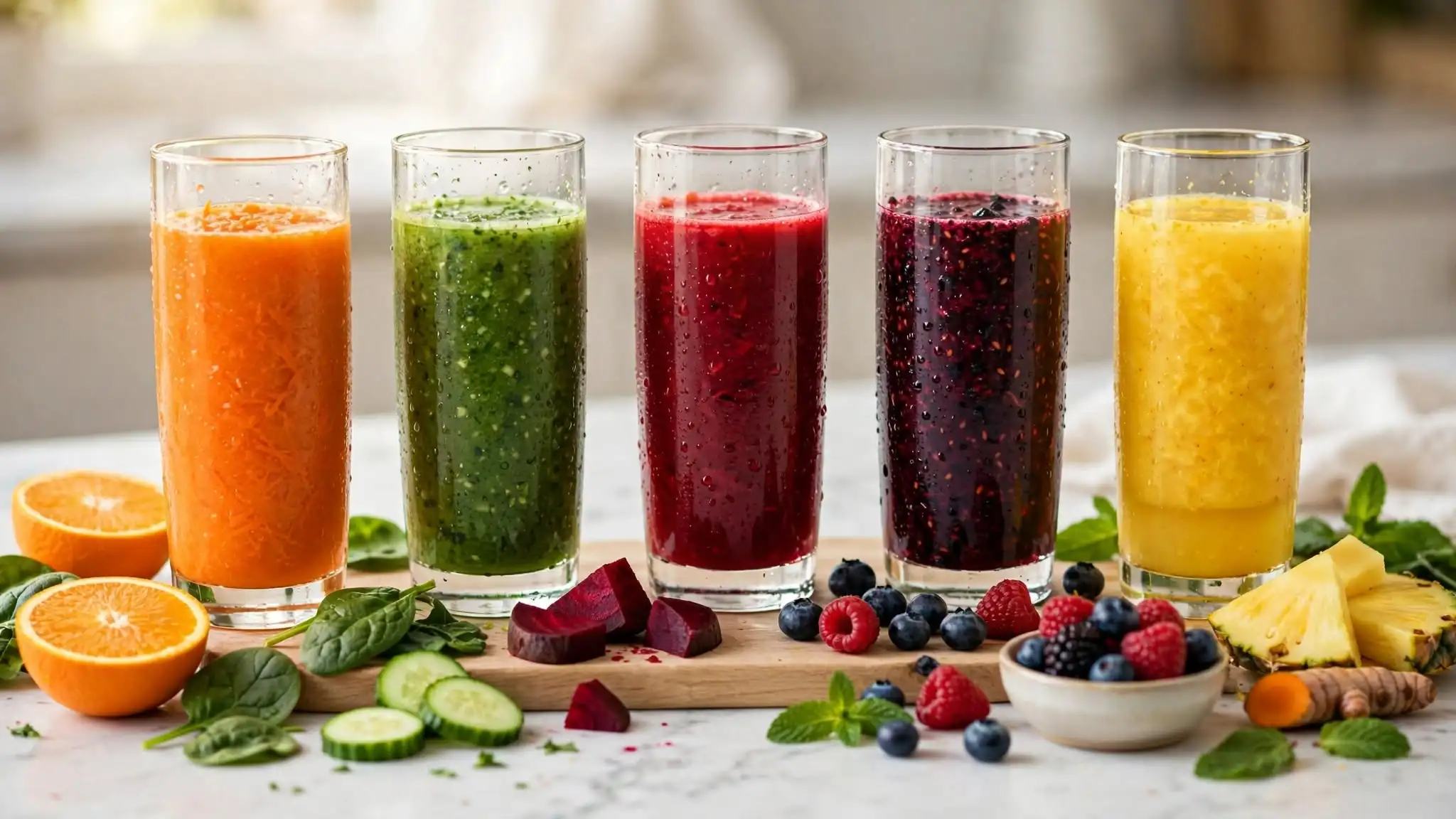
I wasn’t looking for healthy juices for glowing skin advice when I bumped into my friend Zara at a family wedding this spring — I was looking for the buffet table. But the moment I saw her, I did a double take. Her skin looked brighter and clearer than I remembered, almost lit from within, and it wasn’t the kind of glow you get from wedding makeup alone.
When I asked what had changed, she laughed and said, “Honestly? Just juice. I started making my own every morning.” I’ll admit I was sceptical. As someone who writes about health for a living, I hear plenty of claims that sound too simple to be true. But Zara’s change was obvious enough that I couldn’t just shrug it off, so I went home and started digging — through nutrition research, dermatology guidance, and a fair few conversations with people who’d tried something similar.
What I found genuinely surprised me. Healthy juices for glowing skin aren’t a myth, but they’re not magic either. The right juices, made the right way, support real biological processes behind clearer, more radiant skin — and the rest of this article is everything that research, and Zara, ended up teaching me.
Table of Contents
What “Glowing Skin” Actually Means
Before I could work out whether juice was really behind Zara’s change, I needed to understand what “glowing skin” actually means beneath the surface. It’s not just a beauty buzzword — it’s a visible sign of specific things happening inside the body, and most of them have very little to do with what you’re putting on your face.
It’s Not Just About Hydration
Most people assume glowing skin comes down to drinking enough water, and hydration does play a part. But skin radiance is really the result of healthy cell turnover, steady collagen production, and low background inflammation. Skin that looks dull, patchy, or tired is often skin that’s short on the raw materials it needs to repair and renew itself, regardless of how many glasses of water you’re getting through in a day.
The Nutrients Your Skin Is Quietly Running Low On
The nutrients that matter most for skin health are fairly consistent across the research: vitamin C, vitamin A, antioxidants, and zinc. Each plays a distinct role — vitamin C supports collagen synthesis, vitamin A supports cell renewal, and antioxidants help protect skin from everyday environmental damage like pollution and UV exposure. If you want a deeper breakdown of how everyday food choices directly influence breakouts and skin clarity, I’ve covered foods that directly affect your skin in more detail elsewhere on the site. Most people get some of these nutrients through food, but rarely enough, and rarely consistently — which is exactly the gap juice can fill.
Why Juices Work When Supplements Don’t Always
When Zara mentioned fresh juice, my first thought was that it probably wasn’t much different from taking a daily multivitamin. I was wrong, and the reason comes down to how the body actually absorbs and uses nutrients in the first place.
Bioavailability — the Absorption Gap Nobody Talks About
Bioavailability refers to how much of a nutrient your body can actually absorb and use, rather than how much is technically present. Whole-food sources tend to have an advantage here: nutrients from fresh fruit and vegetables often arrive alongside a natural mix of complementary plant compounds — enzymes, fibre fragments, and other micronutrients — that can support absorption in ways a synthetic capsule doesn’t replicate. This doesn’t mean supplements are useless. It means fresh juice can fill gaps that pills sometimes struggle to close.
The Gut-Skin Connection Is Real
There’s also a gut-skin link that’s easy to overlook. Digestive health influences inflammation levels throughout the body, and that inflammation often shows up on the skin as breakouts, redness, or a general dullness. Fresh juices — particularly ones made with some pulp or fibre left in — can support digestion in a way that indirectly benefits skin over time. If bloating or sluggish digestion is part of your own picture, I’ve written separately about gut health and digestion that’s worth a look alongside this.
Fresh, homemade juice and store-bought juice are not the same thing. Most packaged varieties are loaded with added sugar and stripped of the fibre that slows absorption. If you want the real skin benefits, the juice needs to be as close to the raw fruit or vegetable as possible.
The Best Healthy Juices for Glowing Skin

After going through the research, comparing notes with a nutritionist friend, and talking to a few people who swear by this, six juices kept coming up consistently. Here’s what each one actually does, and why it made the list.
Carrot and Ginger Juice — Vitamin A From the Inside
Carrots are one of the richest natural sources of beta-carotene, which the body converts into vitamin A — a nutrient the NHS notes plays a role in keeping skin healthy[1]. Ginger adds anti-inflammatory properties on top of that, which can help calm redness and irritation. This was one of the two juices Zara mentioned rotating most often, and it’s simple to make: a few carrots, a thumb of ginger, and a splash of water, blended and strained.
Beetroot Juice — Nature’s Blood Purifier
Beetroot is rich in iron, folate, and natural nitrates, which support healthy blood circulation — and circulation plays a direct role in how skin looks, since better blood flow means more oxygen and nutrients reaching skin cells. This was the other juice Zara named specifically. One practical note worth knowing before you try it: beetroot juice can temporarily tint urine or stool a reddish colour, which is harmless but can be alarming if you’re not expecting it.
Cucumber and Lemon Juice — Hydration in a Glass
Cucumber is roughly 96% water, and combined with lemon’s vitamin C content, this juice supports both hydration and collagen production — vitamin C is essential for maintaining healthy skin, and because the body can’t store it, it needs replenishing daily[2]. For anyone who finds it hard to get through enough plain water in a day, I’ve also gone into what citrus does for your body in a separate piece, since lemon and lime share a lot of the same benefits.
Pomegranate Juice — The Antioxidant Champion
Pomegranate is one of the richest fruit sources of antioxidants, which help protect skin cells from the everyday damage caused by sun exposure and pollution. Over time, this kind of protection is associated with skin that holds onto its elasticity for longer. I looked into this one specifically because Zara mentioned it was a newer addition to her routine, and it’s covered in more depth in what pomegranate actually does to your body if you want the fuller picture.
Tomato Juice — The Lycopene Skin Shield
Tomatoes are one of the best dietary sources of lycopene, an antioxidant that’s been linked to reduced skin damage from UV exposure and pollution over time. It’s one of the less talked-about juices for skin, but the research behind it is fairly consistent. I’ve written a full breakdown of drinking tomato juice regularly elsewhere if you want to see the other benefits beyond skin.
Spinach and Green Apple Juice — The Detox Blend
Spinach brings iron, magnesium, and vitamin K to the mix, all of which help address the kind of dull, tired-looking skin that often comes with nutrient gaps. Green apple balances the earthy taste with natural sweetness and its own dose of vitamin C, without the sugar spike you’d get from a tropical-fruit blend. If antioxidants are a theme you want to explore further, I’ve put together a list of antioxidant-rich foods your skin needs that pairs well with this juice.
How to Make Any of These at Home
You don’t need a specialist cold-press machine to get started — a basic blender and a fine mesh strainer, or a nut-milk bag, will do the job for most of these combinations. Wash the produce thoroughly, roughly chop it, blend with a small splash of water, and strain out the pulp if you want a smoother drink. Keeping a little pulp in actually preserves some fibre, which can help slow down how quickly the natural sugars hit your bloodstream.
Freshly made juice is best drunk within 15 to 20 minutes, since exposure to air begins breaking down vitamin C and other sensitive nutrients almost immediately. If you’re making a batch ahead of time, store it in an airtight container in the fridge and use it within 24 hours — anything longer and you’re mostly drinking flavoured water with a fraction of the original nutritional value.
| Juice | Key Nutrient | Main Skin Benefit |
| Carrot & Ginger | Vitamin A (beta-carotene) | Cell renewal, less dullness |
| Beetroot | Iron, folate, nitrates | Circulation, healthy tone |
| Cucumber & Lemon | Vitamin C, water content | Hydration, collagen support |
| Pomegranate | Antioxidants | Protection, elasticity |
| Tomato | Lycopene | UV & pollution defence |
| Spinach & Green Apple | Iron, magnesium, vitamin K | Brightness, less fatigue-look |
When and How to Drink These for Best Results
Getting the juice right is only half the equation. When and how you drink it matters more than most people realise.
Zara drank hers first thing every morning, on an empty stomach, and stuck with it daily rather than juicing occasionally when she remembered. That consistency seems to matter more than variety — one juice every single day tends to beat five different juices scattered randomly across a week. Fresh or cold-pressed juice also retains more nutrients than anything that’s been sitting on a shelf, since both heat processing and time degrade vitamin content. If you’re new to this, starting with one juice you actually enjoy and sticking with it for two to three weeks will tell you far more than switching recipes every other day.
It’s also worth pairing your juice with a small amount of fat — a few almonds, a spoon of yoghurt, or having it alongside breakfast rather than completely alone. Vitamin A and some antioxidants are fat-soluble, meaning your body absorbs them more effectively when there’s a little fat present in the same meal.
The Mistakes That Cancel the Benefits
I almost skipped this section, assuming it was obvious. But when I looked into why some people try juicing and see no results at all, the same few mistakes came up again and again.
Adding Sugar or Buying the Wrong Kind
Many store-bought juices marketed as “healthy” contain more added sugar than a can of fizzy drink, which works directly against the goal of clearer skin — excess sugar is linked to inflammation and can contribute to breakouts. I’ve covered this in more detail in ultra-processed foods that quietly damage your health, and it’s worth checking the label on anything pre-made before assuming it’s doing you any favours.
Expecting Juice to Fix a Poor Overall Diet
Juice works best as a supplement to an already reasonable diet, not a replacement for one. If the rest of your meals are heavy in processed food, no amount of carrot juice is going to override that. I’ve written separately about reducing sugar in your daily diet, which pairs naturally with anything on this list.
If your overall diet is high in processed foods, no amount of carrot juice is going to rescue your skin. These juices work best when they’re supporting an already reasonable diet — not compensating for one that isn’t.
What I Took Away From All This
I went back to Zara after finishing my research and told her what I’d found. She wasn’t surprised — she said she’d noticed the change herself around week three or four, not immediately. “It wasn’t overnight,” she told me. “But it was steady enough that I kept going.”
I started with beetroot and cucumber juice myself, mostly out of curiosity. A few weeks in, I noticed more of a difference in my energy levels than anything dramatic with my skin — which felt like an honest result, rather than the instant transformation these things sometimes get sold as. That’s roughly what the evidence suggests too: steady, not sudden. It also made me pay closer attention to the rest of my diet, since juicing daily has a way of nudging out the habit of reaching for whatever’s quickest instead of what’s actually useful.
Conclusion
Coming back to where this started — Zara’s skin at that wedding wasn’t a fluke, and it wasn’t magic either. It was weeks of consistent nutrition, delivered in a form her body could actually use well. Healthy juices for glowing skin genuinely work, but they work slowly, and they work best alongside a diet that isn’t quietly undoing the effort.
If you’re looking for somewhere to start, pick one juice from this list — carrot and ginger, or cucumber and lemon, are both easy entry points — and give it 30 days before judging the results. Small, consistent changes tend to beat dramatic ones that don’t stick.
This article is for informational purposes only and does not constitute medical advice. If you have a skin condition or an underlying health concern, please consult a qualified healthcare professional.
Frequently Asked Questions
Which juice is best for glowing skin in the morning?
Carrot and ginger or cucumber and lemon are both good morning choices, since they’re gentle on an empty stomach and deliver vitamin A or vitamin C respectively.
How long does it take for fresh juice to improve your skin?
Most people notice gradual changes after three to four weeks of consistent daily juicing, not overnight.
Is pomegranate juice or carrot juice better for skin glow?
Pomegranate juice offers stronger antioxidant protection, while carrot juice supports vitamin A-driven cell renewal — both are useful, and many people simply rotate between the two.
Can drinking juice every day really make your skin clearer?
Yes, when the juice is fresh, low in added sugar, and paired with a reasonably balanced diet rather than used to offset a poor one.
What drinks should you avoid if you want glowing skin?
Store-bought juices high in added sugar, and sugary drinks generally, since excess sugar is linked to inflammation that can worsen skin clarity.
